

Where Is The Alt Key On Mac [Shortcuts Included]

Before we dive in
Before we dive in, let's make sure you stay safe online. We created SpyHunter because your security matters to us.
Protect your computer today — download SpyHunter right here! Check out our top tips below to keep your computer safe and secure.

The Alt key, or the Option key on Mac, is a powerful tool that often goes underutilized.
Understanding its functionality and mastering its shortcuts can significantly enhance your productivity on a Mac.
This article delves into everything you need to know about the Alt key, from locating it on your keyboard to leveraging its full potential through various shortcuts.
Introduction to the Alt key functionality on Mac
On Mac computers, the Alt key is labeled as the Option key. It serves multiple purposes, from navigating the operating system more efficiently to accessing special characters not immediately visible on the keyboard.
Its versatility makes it an essential tool for novice and experienced Mac users.
The dual identity of the Alt key
The dual identity of the Alt key on Mac keyboards introduces a layer of versatility that is not immediately apparent to users transitioning from Windows computers.
This dual labeling—Option and Alt—bridges the Mac keyboard layout and the more universally recognized Windows PC layout, making it easier for users to adapt to Mac environments.
A Mac keyboard has two alt keys on each side of the spacebar. This ensures that it is easily accessible for left- and right-handed users, facilitating the execution of complex shortcuts with minimal hand movement.
Moreover, this strategic placement next to the Command keys allows for a seamless combination of commands, enhancing the overall efficiency and fluidity of keyboard navigation on Macs.
Where is Alt on Mac keyboard
Identifying the Alt key on an Apple keyboard is straightforward. Look for the key marked with “Option” and an “Alt” label on the lower row, flanking the space bar.

This placement is consistent across MacBook models and Apple keyboards, ensuring easy access.
Essential Alt key uses and shortcuts
The Alt key unlocks a lot of Mac keyboard shortcuts and functions, streamlining operations and enhancing productivity.
Here’s a table of common shortcuts involving the Alt key on Mac:
| Alt Key Combinations | Shortcut Functions |
|---|---|
Option + Command Key + Esc | Open the Force Quit Applications window |
| Move the cursor to the beginning of the current word in a text editing window |
| Move the cursor to the end of the current word in a text editing window |
| Paste and Match Style (paste text with the style of the destination document) |
| Download a file (in browsers) or show additional options in various applications |
| Open Sound preferences (when pressing volume adjustment keys) |
| Open Displays preferences (when pressing screen brightness adjustment keys) |
| Show Inspector window in Finder, Mail, Photos, and other apps |
| Create a new Smart Folder in a Finder window |
| Show or hide the toolbar in Finder windows, Mail, and other apps |
| Show or hide the Dock |
| Move to the search field control |
| Save As (in applications that support this shortcut) |
| Minimize all windows of the front app |
| Delete the word to the left of the cursor in a text editing window |
Option + Fn Key + F11/F12 | Adjust volume in smaller increments |
| Type the Apple logo () |
These shortcuts represent the tip of the iceberg regarding the capabilities of the two Alt keys.
The Alt key and special characters
The Alt key on an Apple keyboard allows users to easily insert a variety of special characters and symbols that are not readily accessible on the keyboard.
Here’s a small table showcasing some of the symbols you can type using the Alt key in combination with other keys:
| Key Shortcut | Symbol |
|---|---|
Alt + G | © |
Alt + 2 | ™ |
Alt + R | ® |
Alt + E, then E | é |
Alt + ` , then A | à |
Alt + N, then N | ñ |
Alt + I, then I | î |
Alt + 4 | ¢ |
Alt + = | ≠ |
Alt + 8 | • |
This table represents just a fraction of the special characters you can create using the Alt key on a Mac.
Experimenting with different combinations can unlock many symbols to enhance your documents, presentations, and other texts.
Mac vs. PC: Understanding the Alt key differences
Navigating the differences between Mac and PC can often feel like learning two different languages, especially regarding keyboard shortcuts and functionalities.
The Alt key on a PC and the Option key on a Mac are prime examples of this divergence, each playing a unique role within their respective ecosystems.
While both keys offer a range of functionalities to enhance productivity and streamline workflows, their applications, accessibility, and terminology differ significantly.
Understanding these differences is crucial for users who transition between Mac and PC environments, ensuring they can leverage the full potential of each system’s keyboard.
Placement and labels
The first notable difference is the placement and labeling of these keys.
On Mac keyboards, the key in question is officially named Option. On older Macbooks, it also carries the “Alt” designation to align with the terminology used by PC users.
The Alt key on Macs is located directly next to the Command key on both sides of the space bar, making it easily accessible for various shortcuts and system command execution.

In contrast, on Windows keyboards, the Alt key is positioned next to the space bar and typically flanked by the Windows key or the Ctrl (Control) key, depending on the keyboard layout.
Functional variations
Beyond their physical differences, the Alt keys on Mac and the Alt key on PCs are integrated into their operating systems in ways that reflect the distinct philosophies of Apple and Microsoft.
On a Mac computer, the Option key is a gateway to various shortcuts that enhance text editing, navigation, and access to special characters.
Windows’ Alt key, meanwhile, is pivotal for system-wide shortcuts and navigating the interface. These shortcuts are ingrained in the Windows user experience, offering quick access to essential functions and system commands.
Special characters and shortcuts
One of the most appreciated features of the Mac’s Option key is its ability to type special characters and symbols quickly.
This functionality is handy for writers, designers, and anyone who frequently works with diverse character sets.
The ease of accessing these characters on a Mac contrasts with the more cumbersome method on Windows, which requires memorizing numeric codes that are inputted while holding down the Alt key.
If you’re new to Apple devices, ensuring a secure and optimized experience is paramount.
That’s where SpyHunter comes into play – your ultimate ally in safeguarding your Mac against potential threats and enhancing its overall performance.
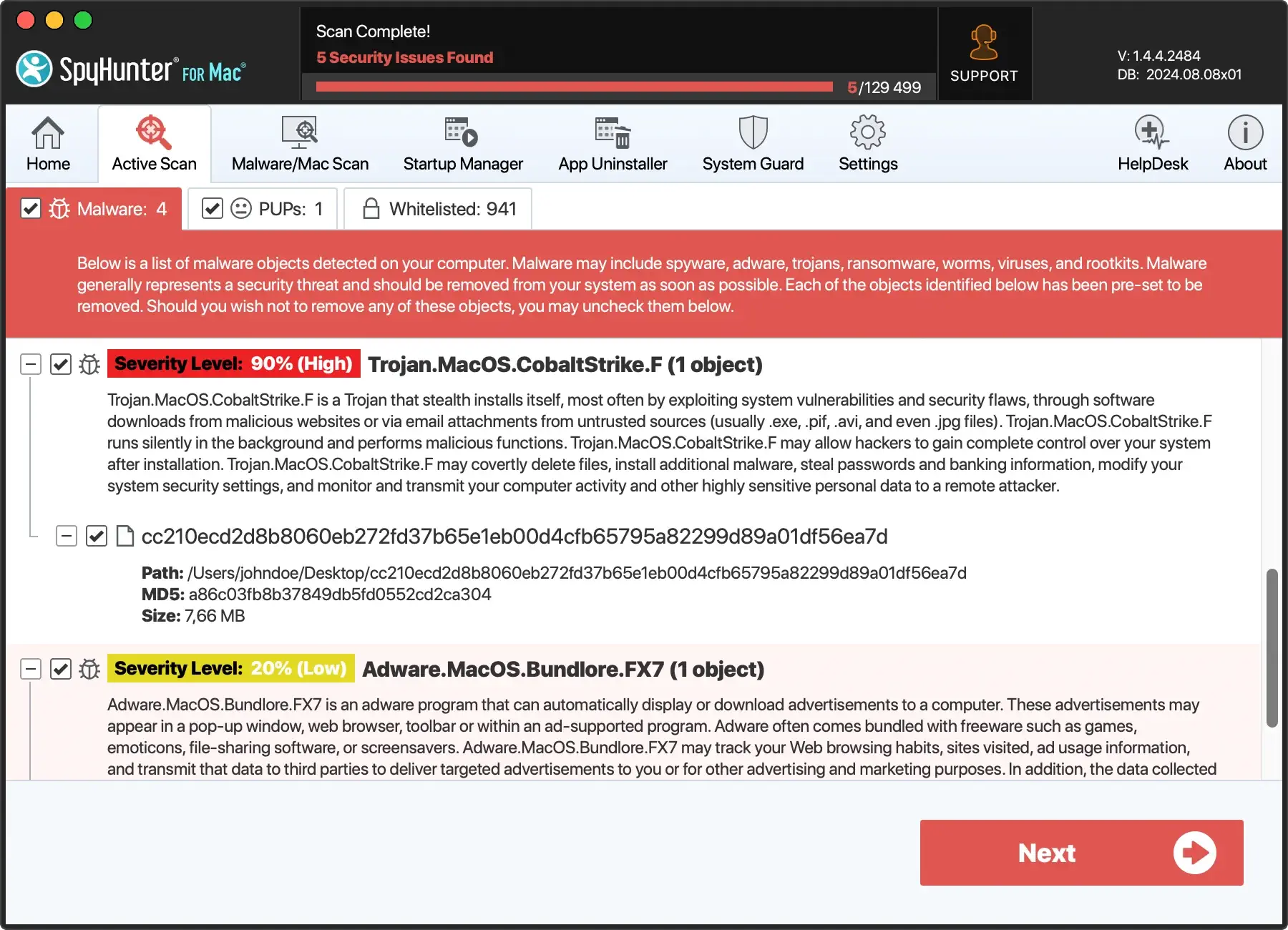
SpyHunter is more than just an antivirus; it’s a complete security suite designed to detect and eliminate a wide range of threats, from malware and adware to browser hijackers and potentially unwanted programs (PUPs).
SpyHunter’s System Guards operate in real-time, actively identifying and neutralizing threats as they emerge. This proactive approach ensures that your Mac remains a fortress against evolving cyber threats.
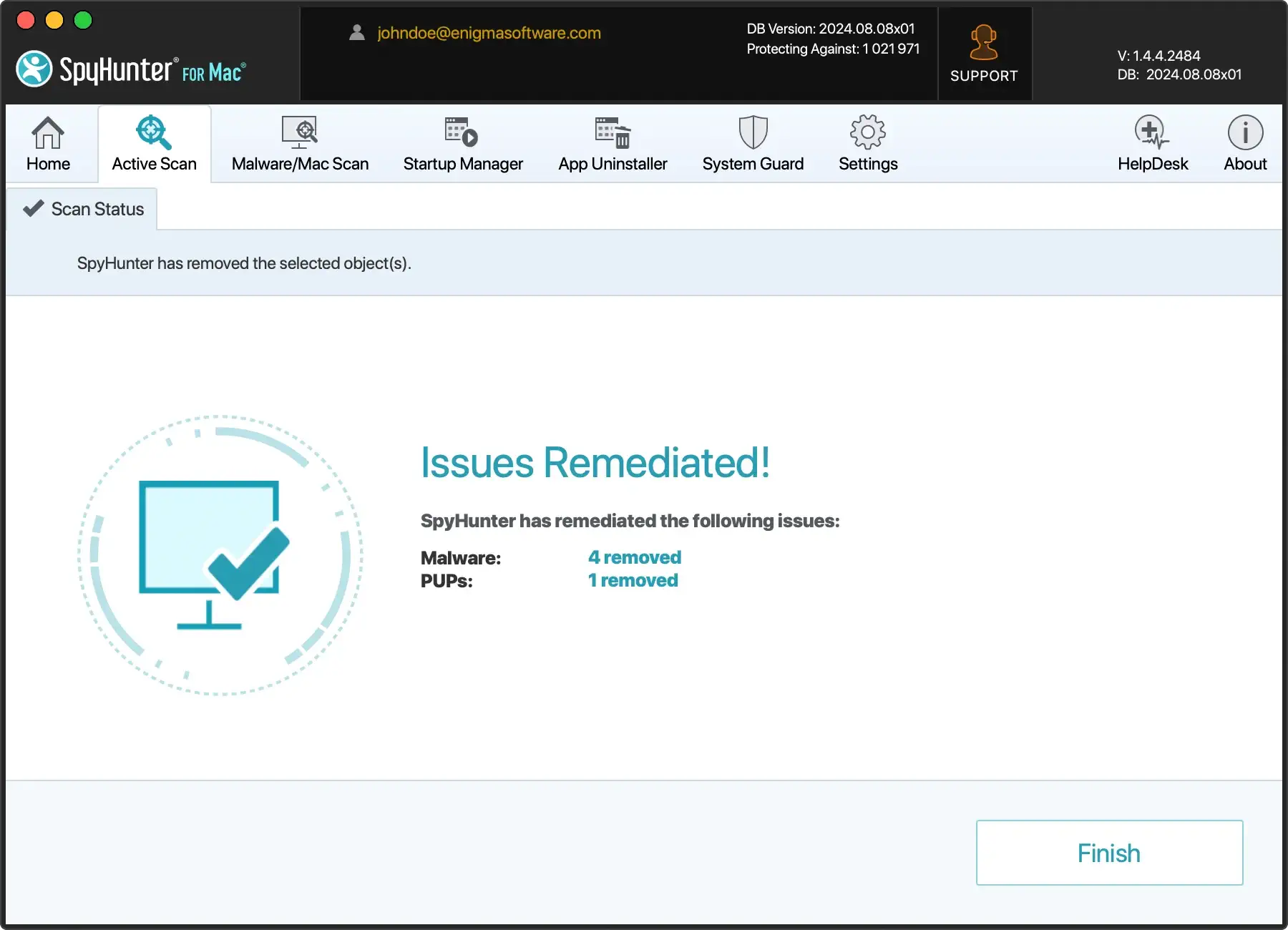
Download SpyHunter for free here to protect and optimize your Mac. Take care of your Mac today!
Mastering the Alt key: Tips for maximizing efficiency
To master the Alt key, incorporate its use into your daily workflow. Use the Alt key in different keyboard combinations and special characters to discover how they can best serve your needs.

Customizing keyboard shortcuts in System Preferences (named System Settings on newer macOS versions) can also tailor the functionality of the Alt key to fit your personal or professional tasks.
Conclusion
The Alt key is a gateway to unlocking the full potential of your Mac, offering shortcuts and functions that can significantly enhance your user experience.
You can navigate your Mac more effectively by familiarizing yourself with its capabilities and integrating them into your daily use.
Mastering these keyboard combinations can transform your workflow, allowing you to access the depths of the Apple menu, swiftly navigate to your downloads folder, or easily adjust keyboard brightness.
Whether you’re managing open windows in Parallels Desktop, searching for junk files in your Utilities folder, or simply looking to streamline actions in a Finder window, the Alt key shortcuts serve as your bridge to a more streamlined interaction with your Mac.
Embrace the full spectrum of functions, from standard function keys to specific commands for controlling active windows or managing unsaved changes, and discover how the same function keys on Apple keyboards can offer a seamless experience across applications.
With each keystroke, you’re not just pressing buttons; you’re unlocking efficiency, tapping into Mac equivalents of familiar Windows shortcuts, and making the keyboard an extension of your command.
