

Remove OperativeDesktopfld From Mac [Step-by-Step Guide Included]

Before we dive in
Before we dive in, let's make sure you stay safe online. We created SpyHunter because your security matters to us.
Protect your computer today — download SpyHunter right here! Check out our top tips below to keep your computer safe and secure.

OperativeDesktopfld is a malicious software categorized as adware and browser hijacker, explicitly targeting Mac users. It infiltrates systems to display unwanted advertisements and manipulate web browser settings without user consent.
By redirecting searches to sponsored pages and generating intrusive pop-ups, OperativeDesktopfld disrupts the online experience, potentially exposing users to further cybersecurity threats.
This article explores the nature of OperativeDesktopfld, its methods of operation, and the risks it poses to both your privacy and device performance, setting the stage for a detailed discussion on effective detection and removal strategies. Let’s dive in:
Understand the risks of OperativeDesktopfld
OperativeDesktopfld is a form of malware known as a browser hijacker, which can cause significant disruption and potential harm to Mac users.
While the primary goal of such software might not be to damage your system, its actions can seriously jeopardize your online security, system performance, and personal privacy.
By altering browser settings without permission, flooding your screen with intrusive ads, and rerouting you to questionable websites, OperativeDesktopfld poses risks that extend beyond mere annoyance.
Such software can undermine the system’s defenses, making it susceptible to additional, more severe malware infections.
What is OperativeDesktopfld, and how does it impact your Mac?
OperativeDesktopfld is often categorized under potentially unwanted programs (PUPs) or adware. Designed to integrate with Mac-compatible browsers, it typically modifies your browser’s homepage and default search engine, redirecting you to sponsored content.
The impact of OperativeDesktopfld on your system includes:
- Decreased browsing speed.
- Compromised browser performance.
- Potential exposure to further malicious threats.
Additionally, by collecting personal data such as search queries and browsing history, OperativeDesktopfld may violate your privacy, leading to identity theft and fraud risks.
Common symptoms of OperativeDesktopfld infection
- Unexpected changes in the browser homepage or search engine.
- There is a sudden increase in pop-up ads, banners, and other intrusive advertisements.
- Random website redirects that occur without user initiation.
- Slower system performance and browser responsiveness.
- Unknown extensions or toolbars are added to the browser without consent.
Is your Mac infected? Identifying OperativeDesktopfld adware presence
Recognizing an OperativeDesktopfld infection on your Mac can often be straightforward if you notice the symptoms mentioned previously.
If an excess of ads and redirects significantly hampers the browsing experience, or if you notice unfamiliar changes to the browser settings that were not authorized, there’s a strong chance your Mac has been compromised.
It’s also wise to look out for system sluggishness and any unexplained consumption of system resources. Such can suggest hidden adware activity in the background.
Prepare your Mac for OperativeDesktopfld removal
Removing OperativeDesktopfld from your Mac requires careful preparation to ensure the process is smooth and your data remains safe. Here are the core pre-removal steps to take:
Backup data before removing OperativeDesktopfld
- Use Time Machine: Leverage Time Machine for a comprehensive backup. Connect an external drive and follow the on-screen instructions to secure your files.
- Consider Cloud Storage: iCloud or other cloud storage services offer another backup layer for essential documents and photos.
- Update Your System: Ensure your macOS and all applications are current. This step is crucial for security and system performance.
Prepare your device
- Close All Applications: Before starting the removal process, close all active applications to prevent interference.
- Disconnect from the Internet: Temporarily disconnect your Mac to stop OperativeDesktopfld from communicating with any servers or downloading additional components.
Be patient and detailed
- Take Your Time: The removal process can be challenging. Ensure you carefully follow each step without rushing to avoid missing adware components.
- Double-Check Folders: Pay extra attention to the
Applicationsfolder, Downloads, and systemLibraryfolders, where adware often hides files.
Seek professional help if needed
- Consult Experts: If you’re unsure about any steps or if the adware proves particularly stubborn, consider seeking help from a professional antivirus support team such as SpyHunter’s Spyware HelpDesk.
By thoroughly preparing your Mac to remove OperativeDesktopfld, you not only safeguard your data but also enhance the effectiveness of the cleanup process.
Remember, patience and attention to detail are essential in successfully eradicating this unwanted software from your operating system.
Remove OperativeDesktopfld from Mac
Successfully removing OperativeDesktopfld from your Mac involves steps to ensure the adware is wholly eradicated. Here’s an optimized approach to the removal process:
Step 1: Remove configuration profiles created by OperativeDesktopfld
OperativeDesktopfld may install configuration profiles on your Mac, which could alter system settings or control browser behavior without your consent.
These profiles are a common tactic adware uses to maintain persistence and control over your device, even after initial removal attempts.
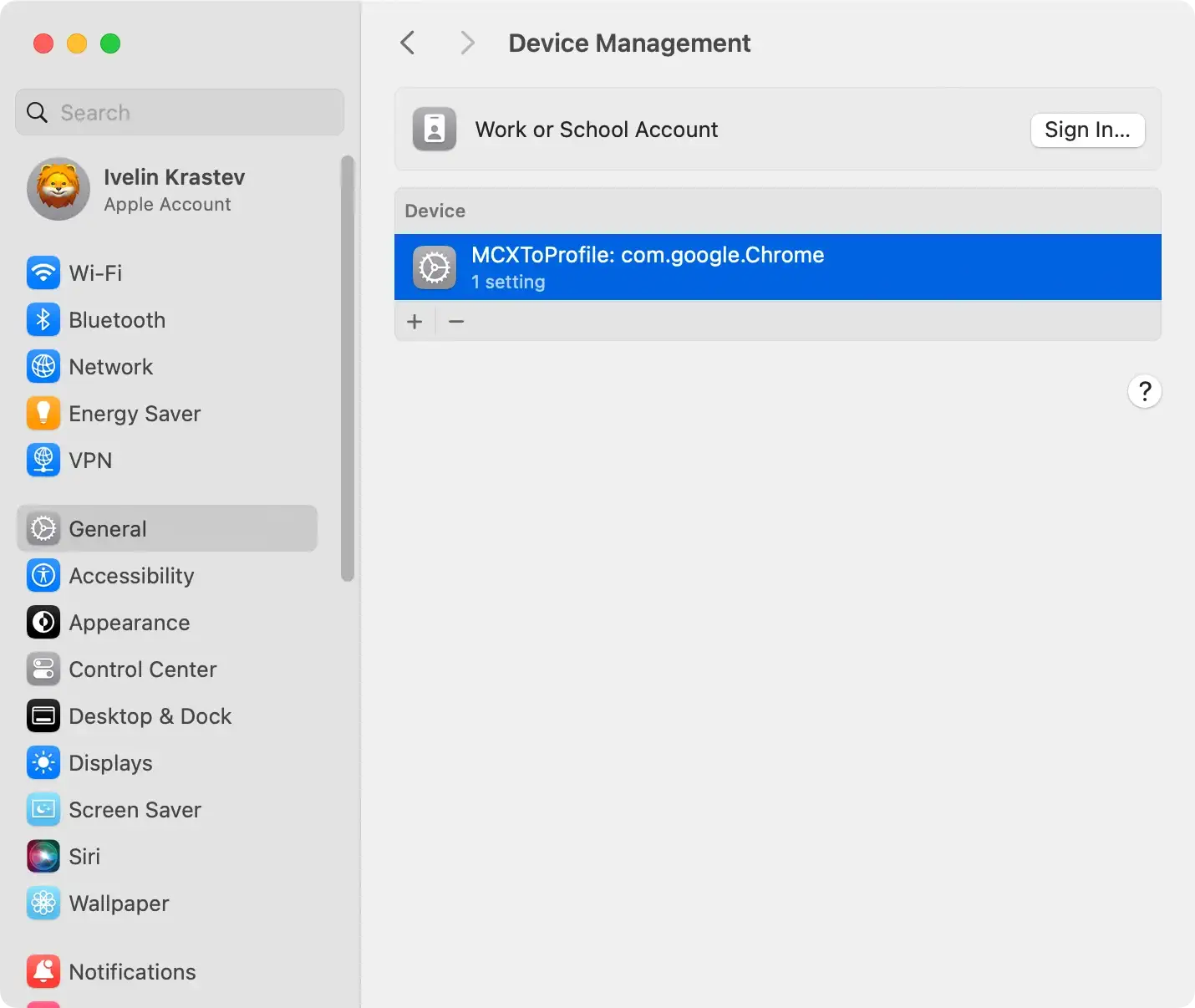
- Access
System Preferences: Click on the Apple menu and chooseSystem Preferences(calledSystem Settingson newer macOS versions). - Locate
Profiles: If aProfilesoption is visible, it indicates the presence of one or more configuration profiles. Select it to view the list. - Identify and Delete Malicious Profiles: Carefully review the list for any unknown, suspicious, or related to OperativeDesktopfld profiles. Select the malicious profile(s) and click the minus (-) button to remove them, effectively preventing the adware from exerting control over your Mac.
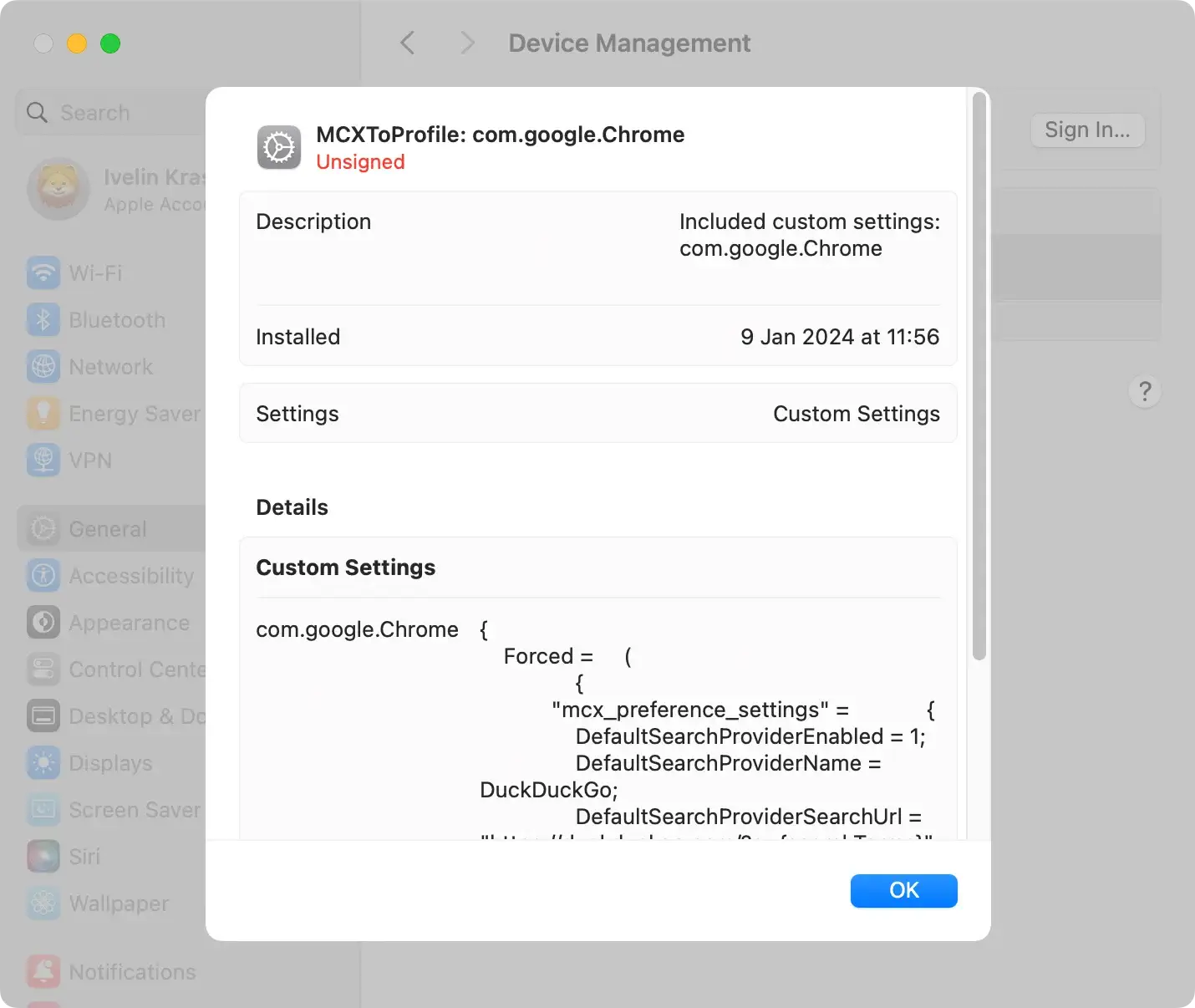
Step 2: Remove applications and files related to the adware
Manually removing files and applications associated with OperativeDesktopfld is crucial for eradicating the adware. This step addresses components that are vital for the adware to operate.
Uninstall adware applications: Inspect the Applications folder for any programs installed without your knowledge or that appeared around the time issues began.
Dragging these to the Trash and emptying the Trash ensures they’re permanently removed from your Mac.
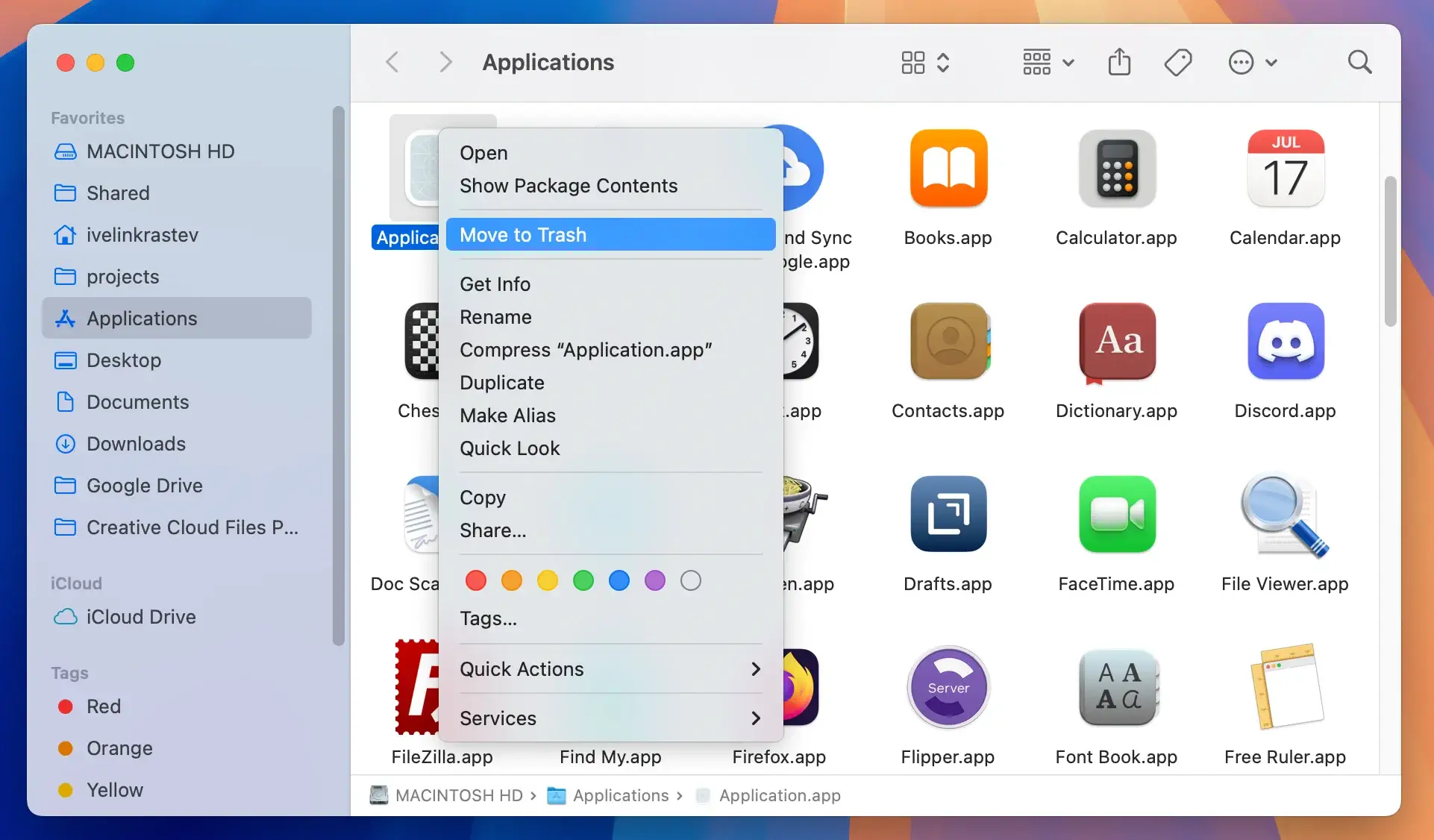
Search for suspicious files: Navigate through the Library, Downloads, and Application Support folders using Finder’s Go to Folder feature. Adware often hides in these locations to avoid detection. Delete all pinpointed files and folders.
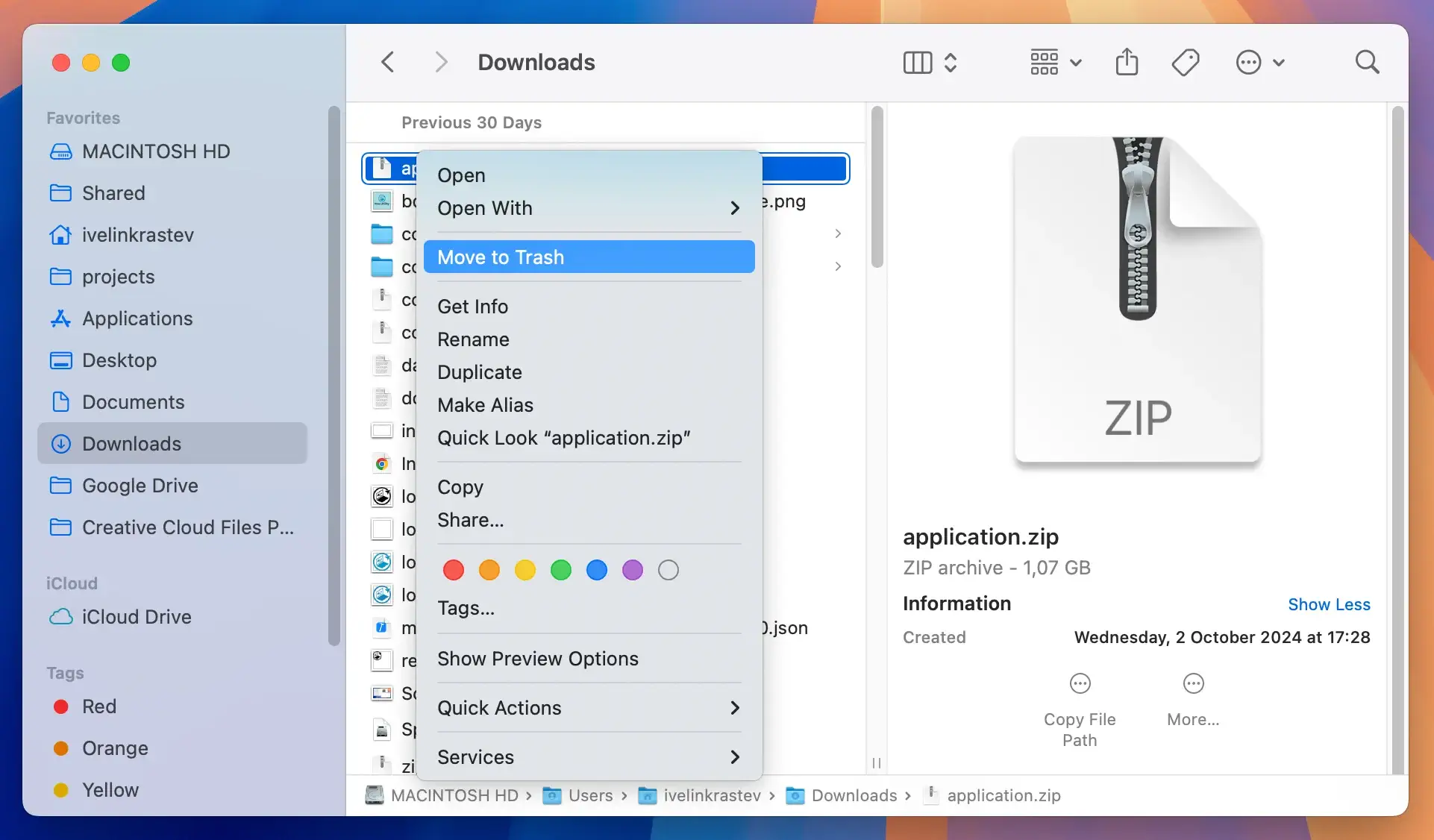
Step 3: Remove OperativeDesktopfld from your browsers
Adware like OperativeDesktopfld often extends its reach to web browsers, installing extensions that redirect searches or display ads.
Cleaning your browsers is vital in regaining control of your online experience.
- Eliminate Unwanted Extensions: Open your browser’s extension or add-on manager. Remove any extensions you didn’t install or that seem related to the adware. This step prevents OperativeDesktopfld from continuing to affect your browsing.
- Clear Cookies and Cache: This removes stored data that the adware could use to track your online activity or reinstate itself after removal.
Resetting your browser to default settings may also be necessary for a complete cleanup.
Step 4: Use Terminal for deep cleaning
Advanced users can utilize Terminal to search for and eliminate OperativeDesktopfld components deeply embedded in the system.
- Open Terminal: Use
Spotlightsearch to find and launchTerminal. - Execute Search Command: Type
sudo find / -iname *OperativeDesktopfld*to locate files associated with the adware. This command searches your entire system for files containing OperativeDesktopfld in the name. - Careful Deletion: After verifying the files’ association with OperativeDesktopfld, use the
rmcommand to delete them.
This step requires caution to ensure only malicious files are targeted, minimizing the risk of system damage.
Step 5: Use anti-malware software for comprehensive removal
For those looking for an efficient, user-friendly solution to the OperativeDesktopfld adware, SpyHunter for Mac offers a robust toolset designed to tackle such threats comprehensively.
Unlike manual removal processes, which can be time-consuming and may not catch all adware components, SpyHunter utilizes advanced scanning technology to identify and eliminate every trace of OperativeDesktopfld from your system.
This software is continually updated to address the latest threats, ensuring your Mac remains protected against the evolving malware landscape. SpyHunter’s intuitive interface simplifies the malware removal process, making it accessible for users of all technical levels.
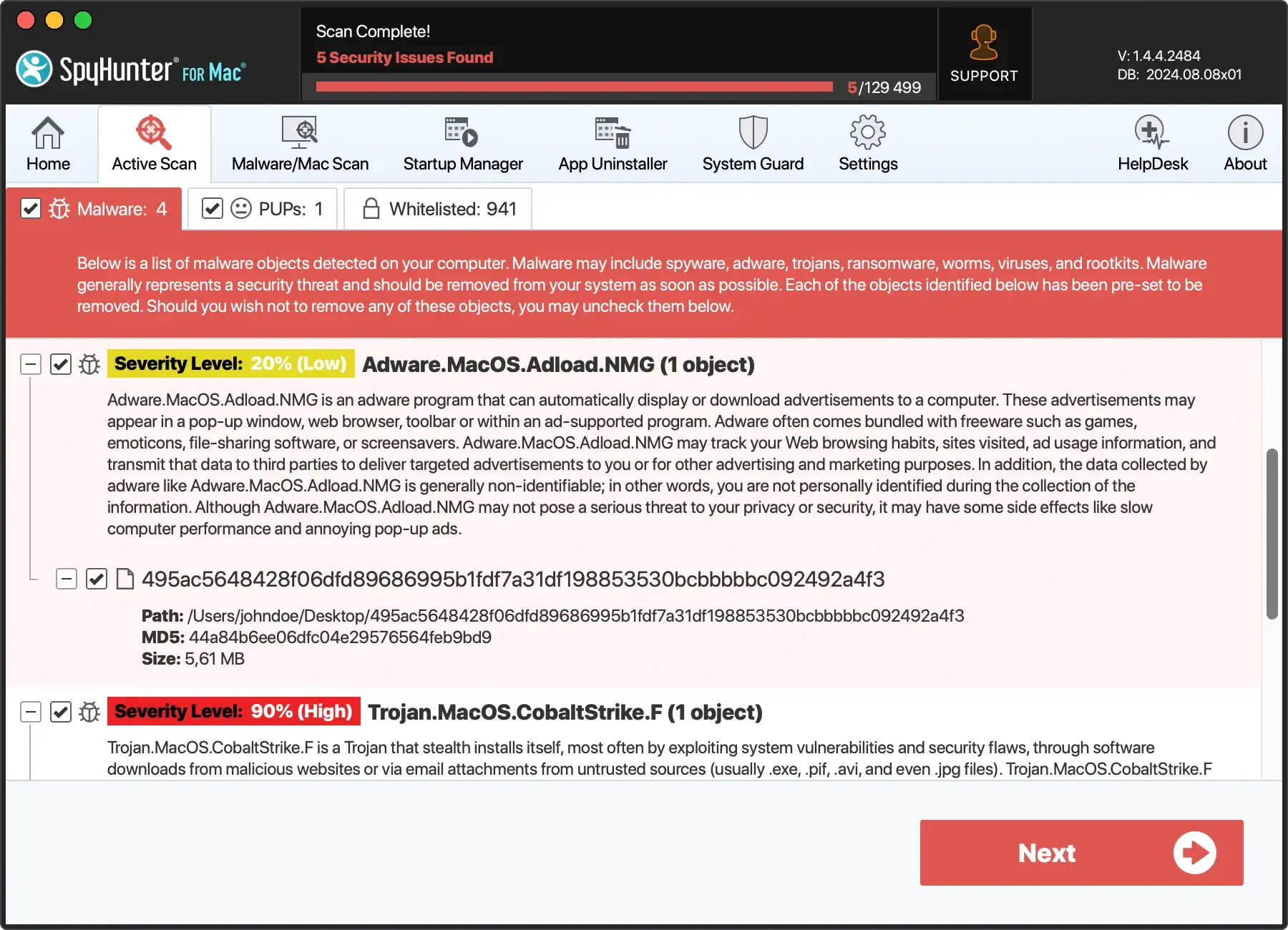
- Download and Install SpyHunter: Download SpyHunter from here to ensure you have access to the most current malware definitions and scanning algorithms.
- Perform a Full System Scan: Launch SpyHunter and initiate a comprehensive scan of your Mac. The software’s sophisticated scanning engine dives deep into your system files, applications, and browser extensions to detect hidden traces of OperativeDesktopfld and other malicious software.
- Automated Adware Removal: Upon completion of the scan, SpyHunter presents a detailed report of all detected threats. With just a few clicks, you can authorize the software to safely remove OperativeDesktopfld and any other identified malware, ensuring a thorough cleanup without risking the integrity of your system files.
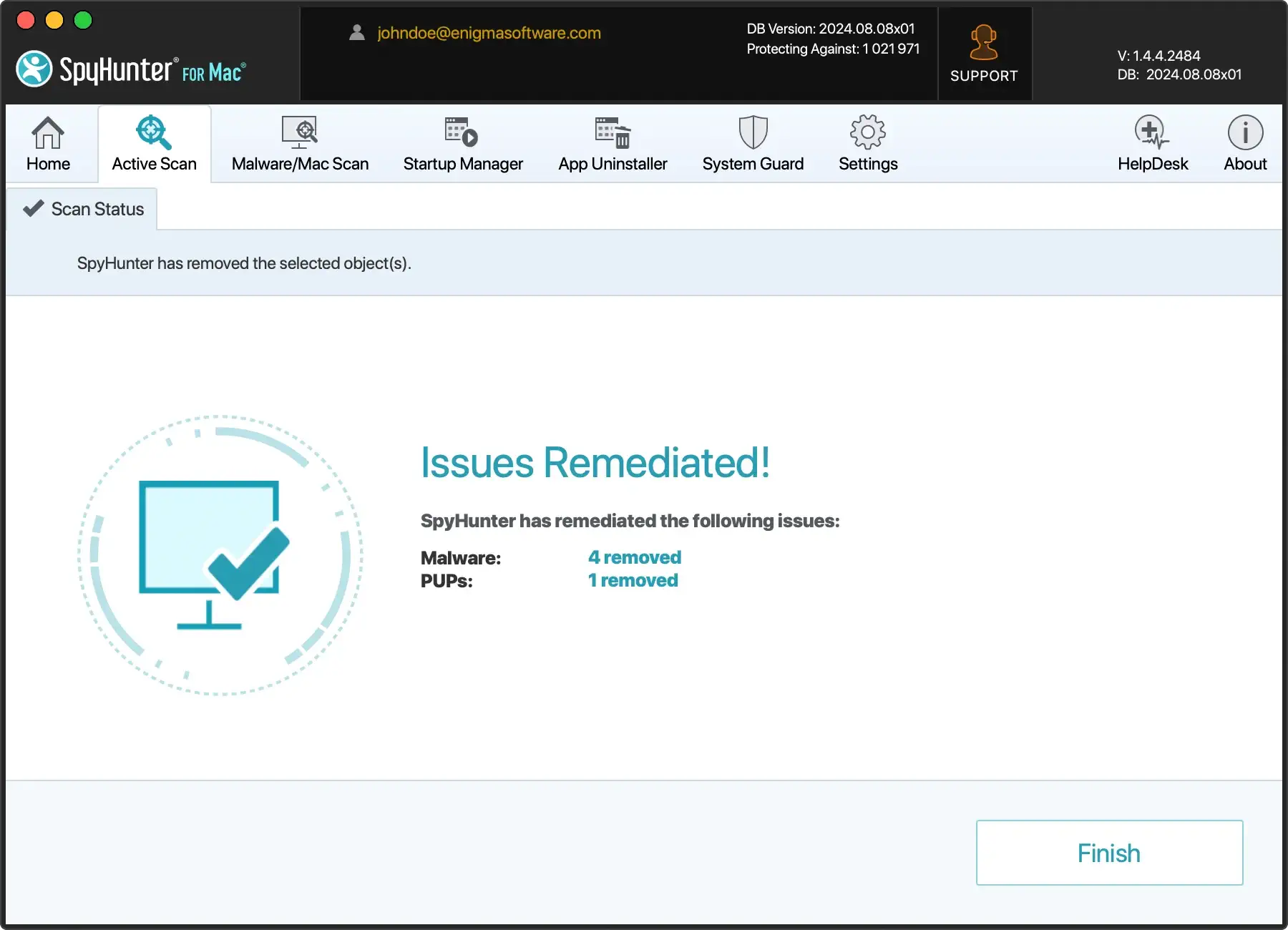
As a bonus, you can enable SpyHunter’s real-time protection features to provide ongoing surveillance of your Mac. The System Guard automatically blocks and removes new threats before they can cause harm.
This proactive defense mechanism is crucial for maintaining a secure computing environment in the face of continuous adware and malware attacks.
By opting for SpyHunter in the final step of your removal strategy, you ensure the complete eradication of OperativeDesktopfld from your Mac and significantly enhance your device’s defenses against future adware infiltrations.
Secure your Mac after OperativeDesktopfld removal
Update software to prevent future adware infections
After successfully removing OperativeDesktopfld, it is crucial to ensure that your Mac remains secure and resistant to future infections.
Regular updates and patches are fundamental, often addressing vulnerabilities that adware could exploit. Enable automatic updates in your Mac’s System Preferences to always have the latest protection.
Additionally, consider updates for all your applications, as outdated software can be a conduit for unwanted programs.
Strengthen Mac security settings against malware attacks
Enhancing your Mac’s security settings is another vital step in fortifying it against adware threats like OperativeDesktopfld.
Review your Security & Privacy settings to ensure you have the optimal level of protection. Enable features like FileVault for encryption, Firewall for unauthorized access prevention, and Gatekeeper to ensure only trusted apps can be opened.
By configuring your Mac to safeguard against these risks, you can help deter future adware infections and secure your system’s integrity.
Conclusion: Maintain a clean and secure Mac environment
Adopt safe browsing habits and avoid suspicious downloads
Safe browsing habits are your first line of defense against adware and malware.
Be cautious of the websites you visit and the links you click on.
Avoid downloading software or files from unreliable sources, and be wary of email attachments from unknown senders.
Education on the dangers of phishing and online scams can also drastically reduce the risk of inadvertently downloading malware like OperativeDesktopfld.
Keep your antivirus software up-to-date
As cyber threats evolve, so do the solutions designed to combat them.
Ensure that your antivirus software, such as SpyHunter, is active and current with the latest definitions and updates.
Regular updates can significantly enhance the software’s ability to detect and remove the latest variations of adware and other malicious entities. An up-to-date security suite provides a strong foundation for a secure Mac environment.
Backup your data regularly
While prevention is vital, preparing for the worst-case scenario is equally essential.
Regular data backups can safeguard your critical information against loss due to malware infiltration, system failures, or accidental deletion.
Consider implementing a 3-2-1 backup strategy: keep at least three copies of your data, store two backups on different devices or storage media, and have one located offsite.
Utilize Mac’s built-in security features for additional protection
MacOS comes with various built-in security features designed to protect your system.
Make full use of these features, such as sandboxing, XProtect, and the Malware Removal Tool (MRT).
Regularly check your system preferences to verify that these protections are enabled and functioning correctly. Fine-tuning these features can provide an additional layer of defense against malware like OperativeDesktopfld.
