

Remove Ad Block Zen From Your Mac [Instructions Included]

Before we dive in
Before we dive in, let's make sure you stay safe online. We created SpyHunter because your security matters to us.
Protect your computer today — download SpyHunter right here! Check out our top tips below to keep your computer safe and secure.

Ad Block Zen is classified as deceptive adware that targets Mac users, often masquerading as a helpful tool while flooding your browsing experience with unwanted ads and redirects.
This guide provides a detailed walkthrough on identifying and removing Ad Block Zen from your Mac, ensuring your device remains free from intrusive advertisements and potential security risks.
With step-by-step removal instructions, we aim to empower you to reclaim control over your digital environment and protect your systems against this pervasive adware threat. Here we go:
Overview of Ad Block Zen adware
Ad Block Zen: A growing threat to macOS users
Ad Block Zen represents a significant threat to macOS, showcasing the evolving landscape of digital threats.
Unlike traditional viruses designed to destroy data outright or take complete control of your computer, Ad Block Zen falls under a category of malware known for its subtlety and persistence.
This malware primarily targets Apple computers, leveraging the misconception that macOS is immune to viruses and other threats. If you are wondering what the macOS vulnerabilities are, explore our article that explains how Macs can get viruses.
The intrusive nature of Ad Block Zen
The primary function of Ad Block Zen is to bombard the user with an overwhelming number of ads. These advertisements are intrusive and often lead to malicious websites or downloading unwanted software.
This Ad Block Zen exploits vulnerabilities within web browsers such as Mozilla Firefox, Google Chrome, and Safari, modifying their settings without consent to ensure ads are displayed.
The privacy risks of Ad Block Zen
More worrisome is that Ad Block Zen possesses capabilities beyond mere ad display.
It can track users’ online activities, harvest personal information, and even send this data to remote servers for potentially dishonorable purposes.
This breach of privacy can have serious repercussions, including identity theft or financial fraud.
How Ad Block Zen spreads
The distribution methods of Ad Block Zen are varied and cunning, often masquerading as legitimate software downloads, arriving via phishing emails or compromised websites. Once installed, it can degrade system performance, lead to application crashes, and compromise system security.
Preparation before the Ad Block Zen removal
Optimizing your Mac to remove Ad Block Zen adware involves specific initial steps directly supporting the cleanup process. Here’s how to effectively prepare your operating system:
Identify Ad Block Zen adware on your Mac
Pinpointing the presence of Ad Block Zen on your Mac involves reviewing symptoms that could indicate its installation. Common signs include:
- An increased number of pop-up advertisements.
- Unexpected browser redirects.
- Unusual browser extensions or toolbars that were not knowingly installed.
- Significantly reduced device performance.
- Slower internet speeds as a result of the adware’s activities.
Initiate a thorough review of your installed applications and browser extensions, looking for any unfamiliar or suspicious entries.
If you uncover any application or extension directly related to Ad Block Zen or other adware, noting it can facilitate the removal process.
Close all involved applications
Ensure all apps, especially web browsers where Ad Block Zen is most active, are closed. This minimizes the chance of the adware interfering with the removal process.
To quit a program, use the Command + Q shortcut to stop applications or right-click on the app icon in the dock and select the Quit option.
Disable network connections
Temporarily disconnecting from the internet can prevent Ad Block Zen from receiving or sending data during removal.
- Turn Off Wi-Fi: Click the Wi-Fi icon in the menu bar and select
Turn Wi-Fi Off. - Disconnect Ethernet: If connected via an Ethernet cable, physically disconnect it from your Mac.
Back up your data
While macOS doesn’t have a built-in system restore feature like Windows, you can use Time Machine to create a backup before proceeding with the removal.
This acts as a safeguard, allowing you to restore your system to its current state if needed.
To make a snapshot of the system, connect an external drive and open Time Machine from System Preferences to back up your Mac.
Pre-install SpyHunter
Having SpyHunter downloaded and ready for installation ensures you’re prepared to scan for and remove Ad Block Zen immediately after the manual cleanup steps.
Download SpyHunter and install it to be ready for removal.
By following these steps, your Mac will be in an optimal state for effectively removing Ad Block Zen, minimizing potential obstacles, and enhancing the efficiency of the cleanup process.
Remove Ad Block Zen (step-by-step instructions)
Step 1: Identify and delete malicious config profiles
Adware like Ad Block Zen often installs malicious configuration profiles on your Mac, which can alter your system settings or control your browser behavior without your consent.
Removing these profiles is a crucial first step in the cleanup process. Here’s how to do it:
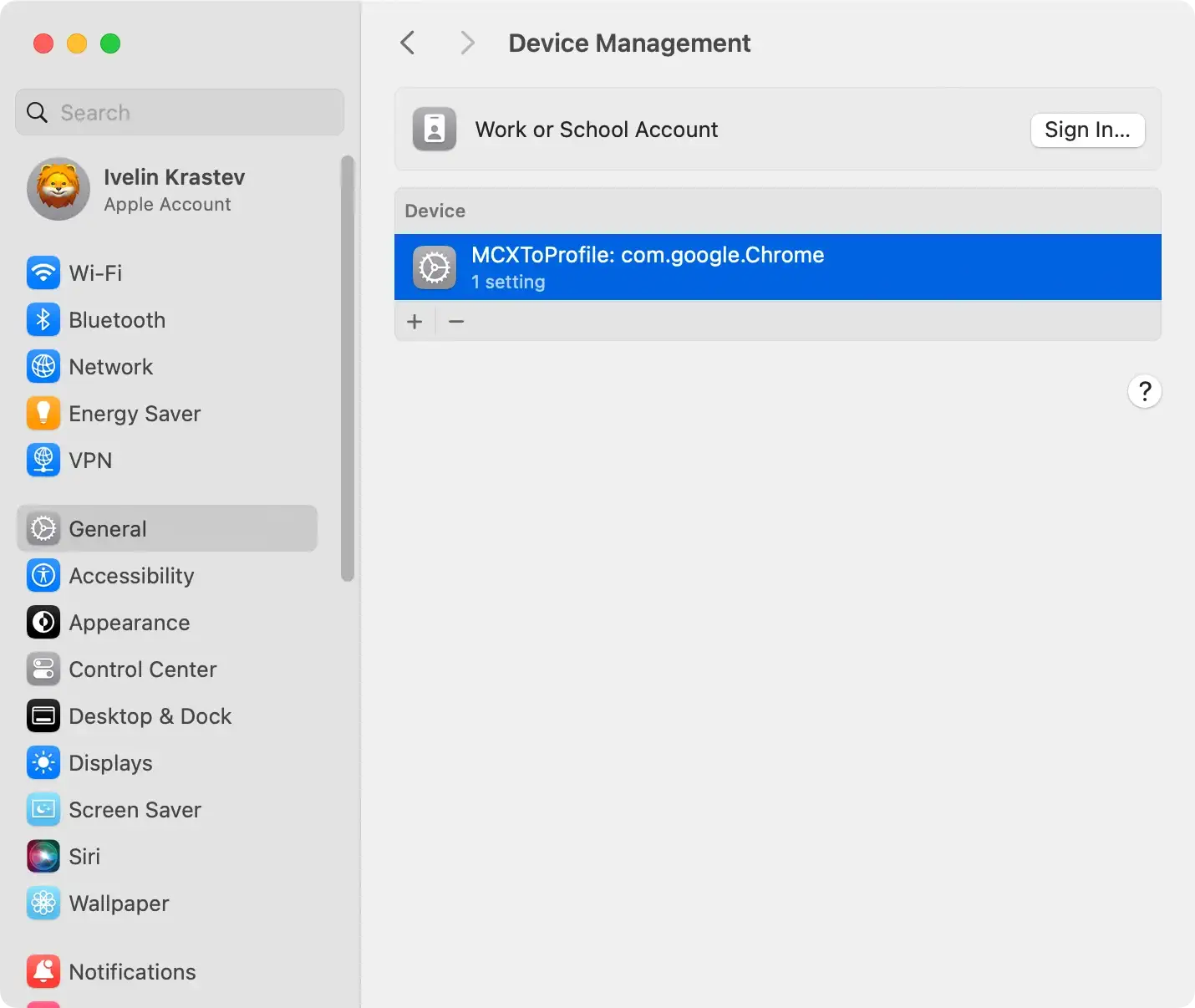
- Open System Preferences: Click on the Apple menu at the top left corner of your screen and select
System Preferences(orSystem Settingson newer macOS versions). - Access Profiles: Look for a
Profilesicon in the system settings app. If you don’t see a Profiles icon, no configuration profiles are installed on your Mac, which is a good sign. If you do see it, proceed to the next step. - Review Profiles: Carefully review the list for any profiles you don’t recognize, seem suspicious, or are related to Ad Block Zen.
- Select and Remove: Select malicious or suspicious profiles by clicking on them. Then, click the minus (-) button at the bottom of the list to remove them.
- Confirm Deletion: You may be prompted to enter your administrator password to confirm the deletion. Verify that you want to remove the profiles to complete the process.
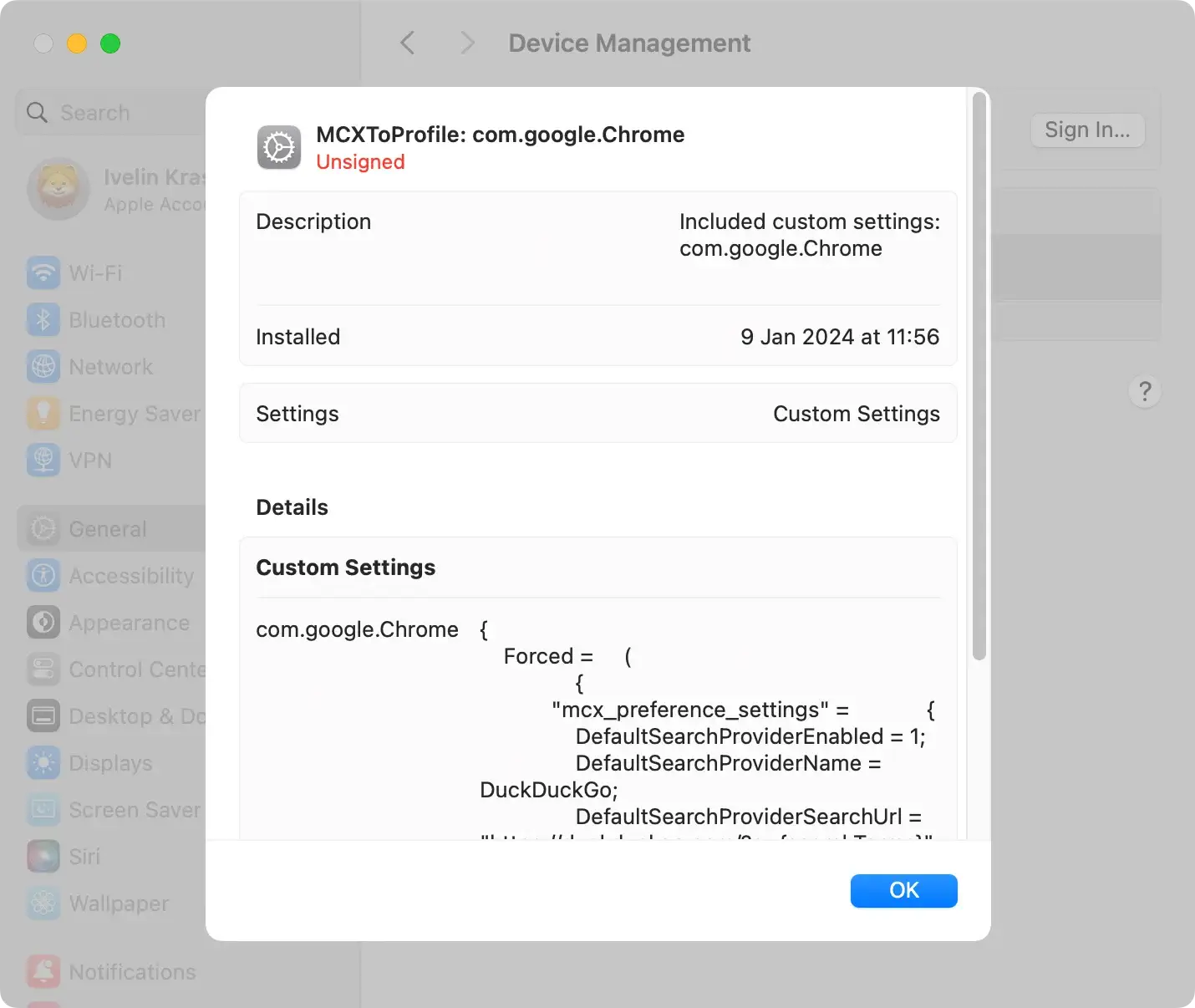
By meticulously identifying and deleting malicious configuration profiles, you take a significant step towards freeing your Mac from Ad Block Zen’s influence, paving the way for a thorough adware removal process.
Step 2: Locate and remove Ad Block Zen apps and files
After clearing out malicious configuration profiles, the next crucial step involves locating and removing any applications and files associated with Ad Block Zen.
This step is vital to completely eradicating the adware from your Mac. Follow these instructions to search for and delete Ad Block Zen components:
- Open Finder: Start by opening a
Finderwindow. - Navigate to the Applications Folder: In the
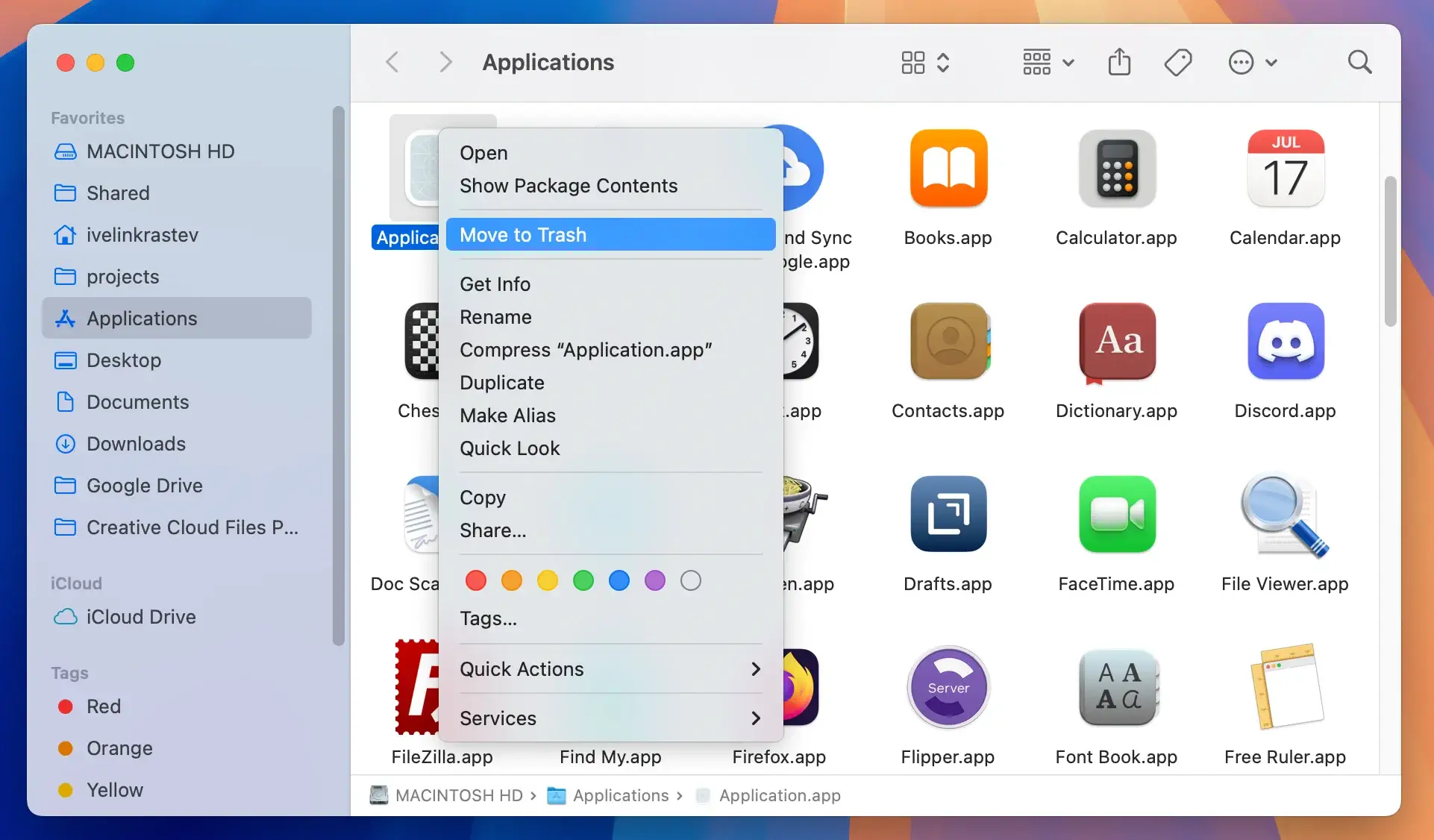
Findersidebar, click onApplications. This is where most adware applications install themselves. - Search for Ad Block Zen: Look through your applications list for any apps you don’t recognize, seem suspicious, or know are related to Ad Block Zen. Adware often disguises itself with legitimate-sounding names or mimics the names of popular apps to avoid detection.
- Move to Trash: Once you’ve identified any applications linked to Ad Block Zen, right-click (or control-click) on the app and select
Move to Trash/Binor drag the app icon to theTrash/Binbin in your dock.
Ad Block Zen may also create files outside the Applications folder. Check the following locations using the Go to Folder option in the Finder app:
~/Library/Application Support/~/Library/LaunchAgents/~/Library/Preferences/~/Library/Downloads//Library/LaunchDaemons//Library/Application Support//Library/StartupItems/
In each directory, look for files or folders with names related to Ad Block Zen or that seem suspicious. Move any findings to the trash.
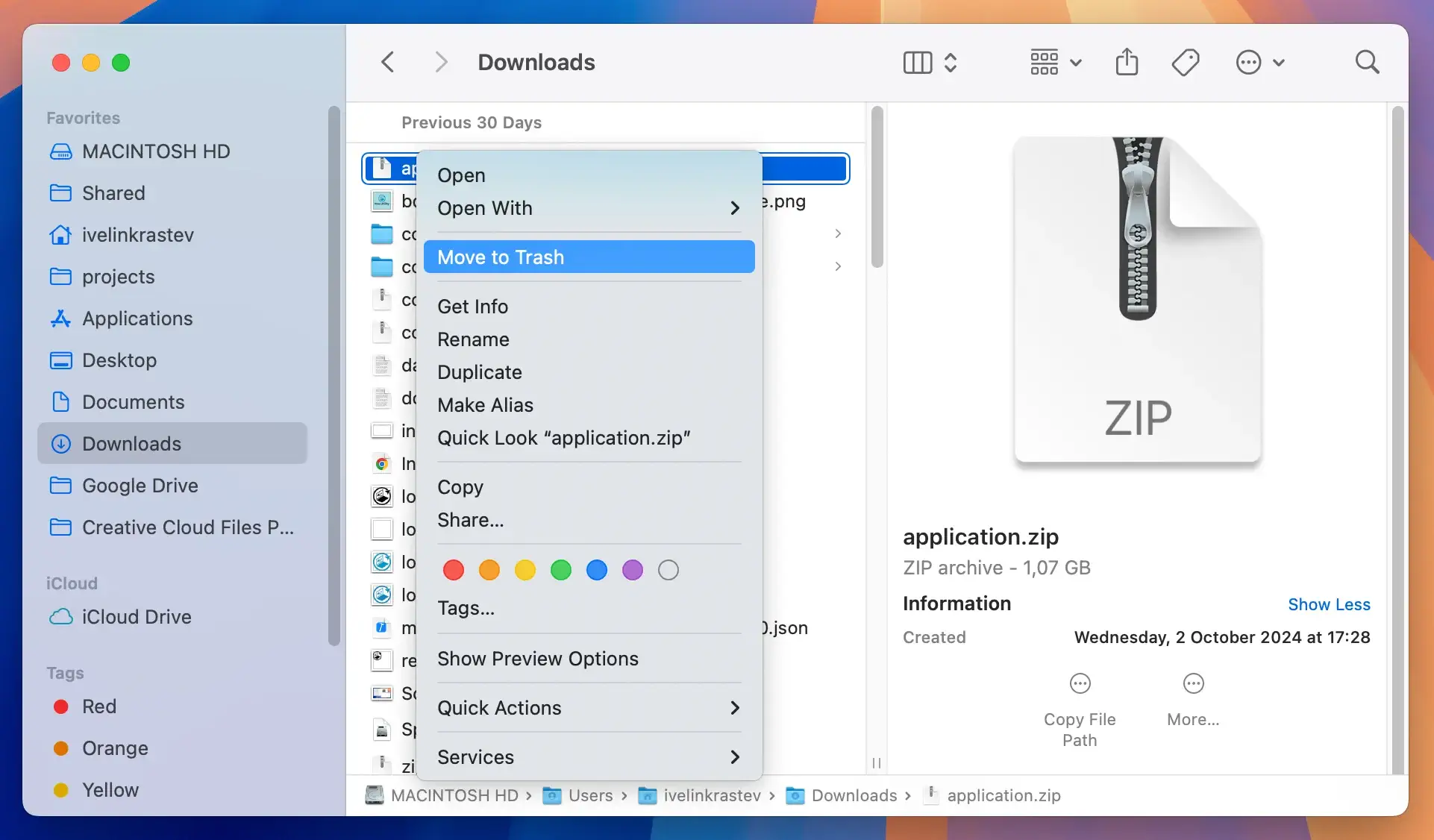
After moving all identified apps and files to the Trash, empty it to permanently delete the malicious code.
By locating and removing Ad Block Zen applications and related files, you significantly diminish the adware’s presence on your Mac, setting the stage for a clean, adware-free system.
Step 3: Clear browsers from Ad Block Zen
Ad Block Zen can infiltrate your web browsers, installing unwanted extensions that disrupt your online experience. Here’s a streamlined approach to removing these extensions and resetting your browsers to their default settings.
Delete malicious extensions from Mozilla Firefox
- Open Firefox: Navigate to the Add-ons section from the main browser menu.
- Review and Remove: Identify any unfamiliar extensions related to Ad Block Zen and remove them.
Remove Ad Block Zen from Google Chrome
- Access Chrome Settings: Click the three dots in the upper right corner, then go to
More tools > Extensions. - Find and Delete: Look for extensions you didn’t install or that seem suspicious and remove them.
Cleanup Safari
- Open Safari Preferences: Choose
Preferencesfrom the Safari menu, then click on theExtensionstab. - Uninstall Extensions: Remove extensions you don’t recognize or link to Ad Block Zen.
Reset browsers to default
After removing suspicious extensions, resetting your browsers can help ensure all traces of Ad Block Zen are gone.
Clearing your browsers of Ad Block Zen extensions and resetting them to default settings are critical steps in entirely removing the adware and restoring your online experience.
Regularly monitoring your browser extensions and settings can help prevent future adware infections.
Step 4: Ensure complete removal with an antivirus software
Completing the manual cleanup of Ad Block Zen and its browser extensions is crucial, but to guarantee the adware is entirely eradicated from your Mac, employing a reputable malware scanner like SpyHunter is essential.
SpyHunter for Mac is designed to uncover and eliminate any lingering traces of Ad Block Zen and other potential threats that might evade manual detection.
Here’s how SpyHunter can secure your Mac against future invasions:
- Comprehensive Scanning: SpyHunter offers deep system scans that meticulously search for remnants of Ad Block Zen, ensuring no stone is left unturned.
- Advanced Detection Capabilities: With its up-to-date malware definitions, SpyHunter is adept at identifying the latest adware and malware threats, offering peace of mind that your system is thoroughly checked.
- Effortless Removal: Should SpyHunter detect any malicious entities, it facilitates their easy removal. This streamlines the process of reclaiming your Mac’s security.
- Ongoing Protection: Beyond immediate removal, SpyHunter provides continuous monitoring and protection against new threats, safeguarding your Mac over time.
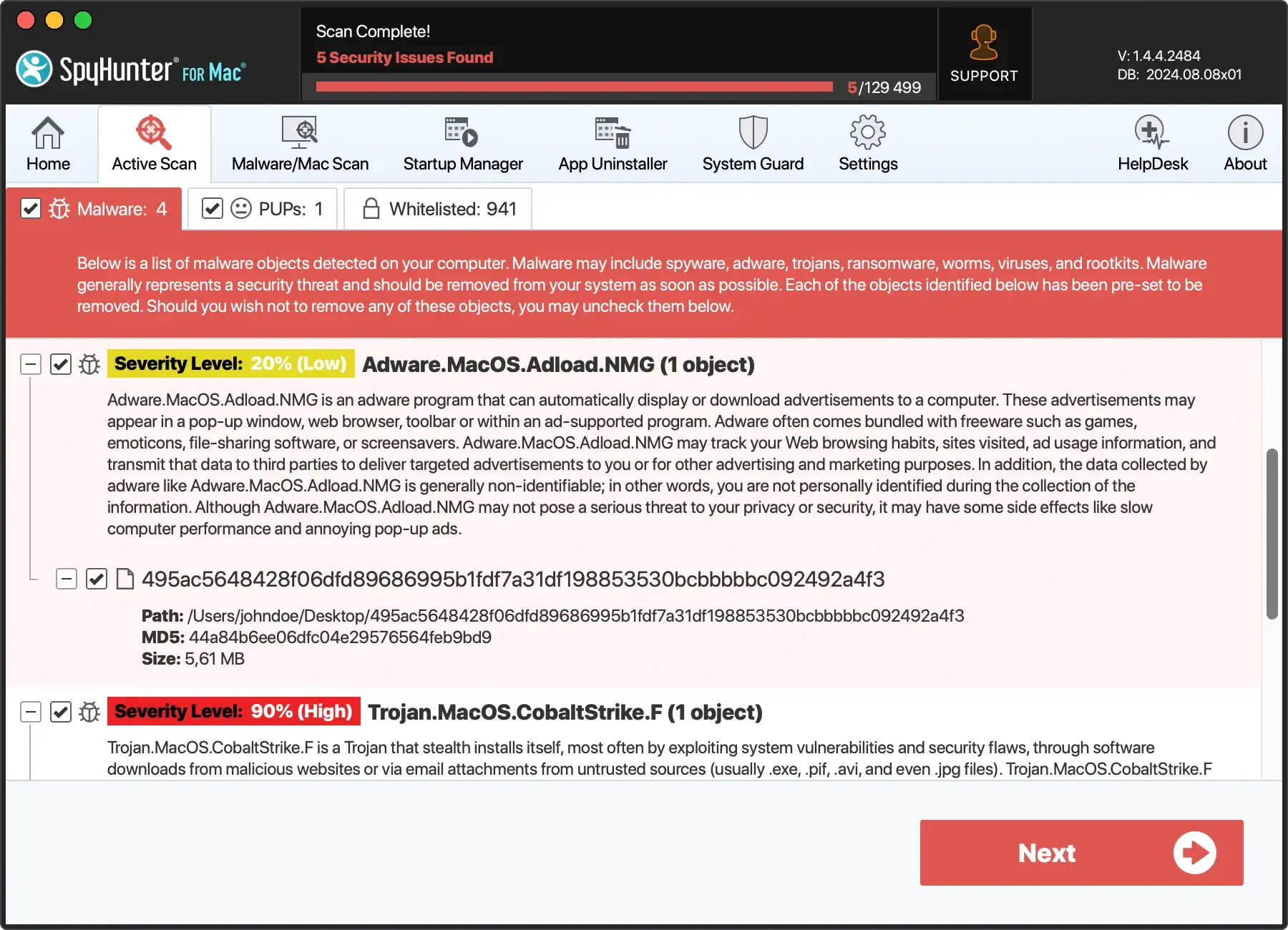
To use SpyHunter effectively:
- Download and Install: Download SpyHunter from here to get the latest version. Follow the installation instructions to integrate SpyHunter into your system seamlessly.
- Run a Malware Scan: Launch SpyHunter and initiate a full system scan. Allow the software to comprehensively assess your Mac for any signs of Ad Block Zen or other malware.
- Follow Removal Instructions: Review the detected threats after the scan. Follow SpyHunter’s guided process to remove them from your Mac.
- Activate Real-Time Protection: Enable SpyHunter’s real-time protection features to maintain alertness against adware and malware threats.
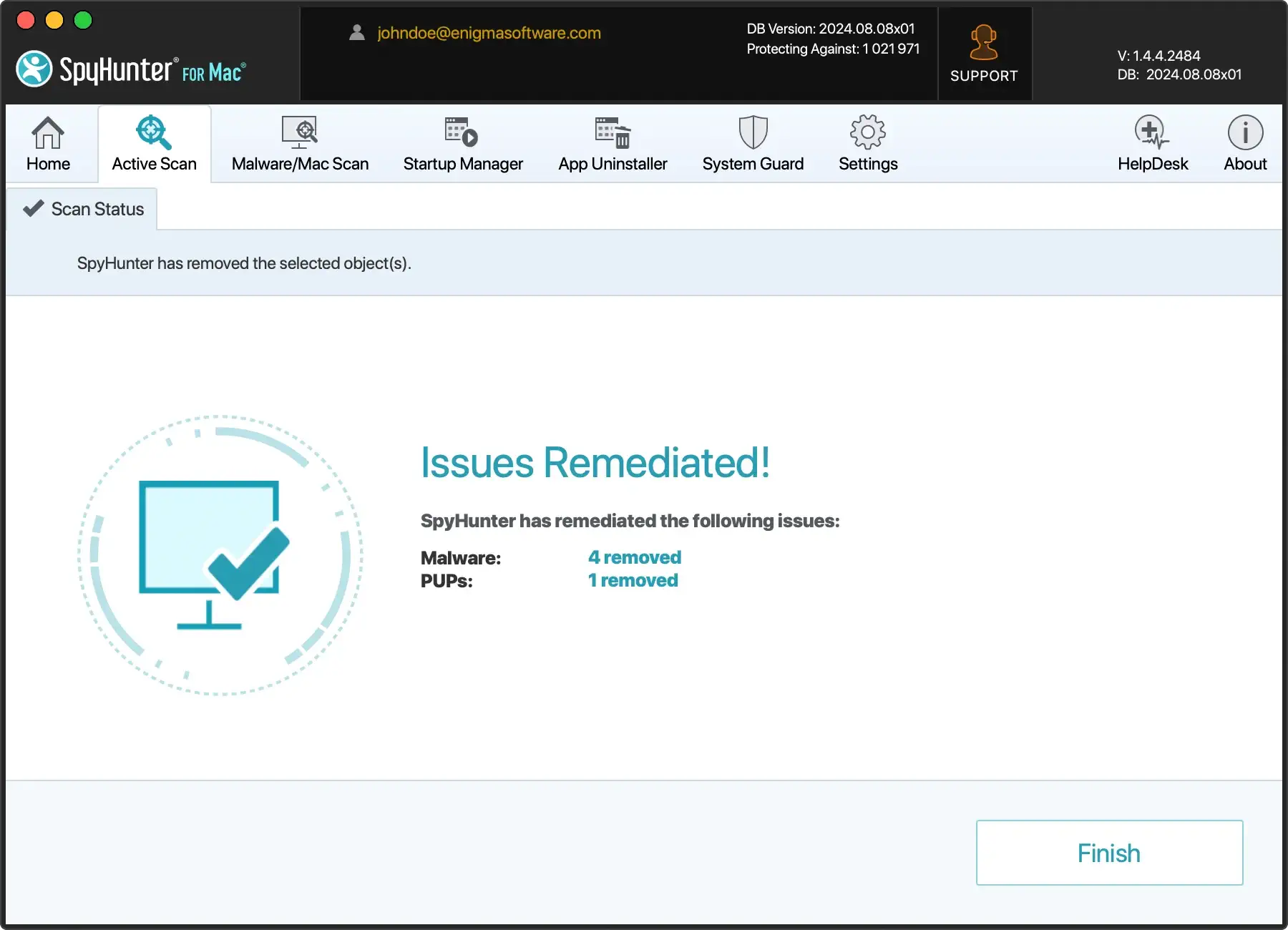
By leveraging SpyHunter in the final step of your removal process, you ensure that Ad Block Zen is wholly removed and significantly bolsters your Mac’s defenses, making it resilient against future threats.
Maintain a zen state: Preventing future malware attacks
Stopping adware infections, like Ad Block Zen, requires a comprehensive approach combining education, technology, and consistent vigilance.
You can significantly reduce the risk of adware and other malware infections through a few key strategies to support your digital security.
Educate yourself about Mac threats
Being well-informed about the various threats targeting Macs is crucial in safeguarding your device against adware and browser hijackers.
Recognizing the early signs of an infection is an essential step in your cybersecurity routine.
- Recognize the Signs: Familiarize yourself with the common indicators of adware presence on your Mac. Unexpected pop-ups, slow browser performance, and unauthorized changes to your homepage or search engine are telltale signs. For a deeper dive, explore our detailed article on Mac adware.
- Understand Distribution Tactics: Cybercriminals often deploy sophisticated methods to spread malicious software. Phishing emails are a prime example. Such emails contain links or attachments that can unleash adware onto your system when clicked. Another prevalent threat comes from browser hijackers, which can alter your browsing experience without consent. Learn more about browser hijackers and how to prevent them by reading our guide on Mac browser hijackers.
- Spread Awareness: Sharing knowledge about the risks and prevention strategies with family, friends, and colleagues is vital. By educating those around you, you contribute to a safer online community. That way, you reduce the chances of malicious infections.
Keep your software updated
Regularly updating your operating system and applications closes security loopholes that could be exploited by adware like Ad Block Zen.
Enable automatic updates wherever possible. This includes your web browsers and any browser extensions you may use, as these are common targets for adware.
Install reputable security software
While MacOS comes with its security tools, installing additional reputable anti-malware software adds another layer of protection.
Tools like SpyHunter can prevent, detect, and remove adware and other types of malware before they can cause harm ( Download SpyHunter for free here ).
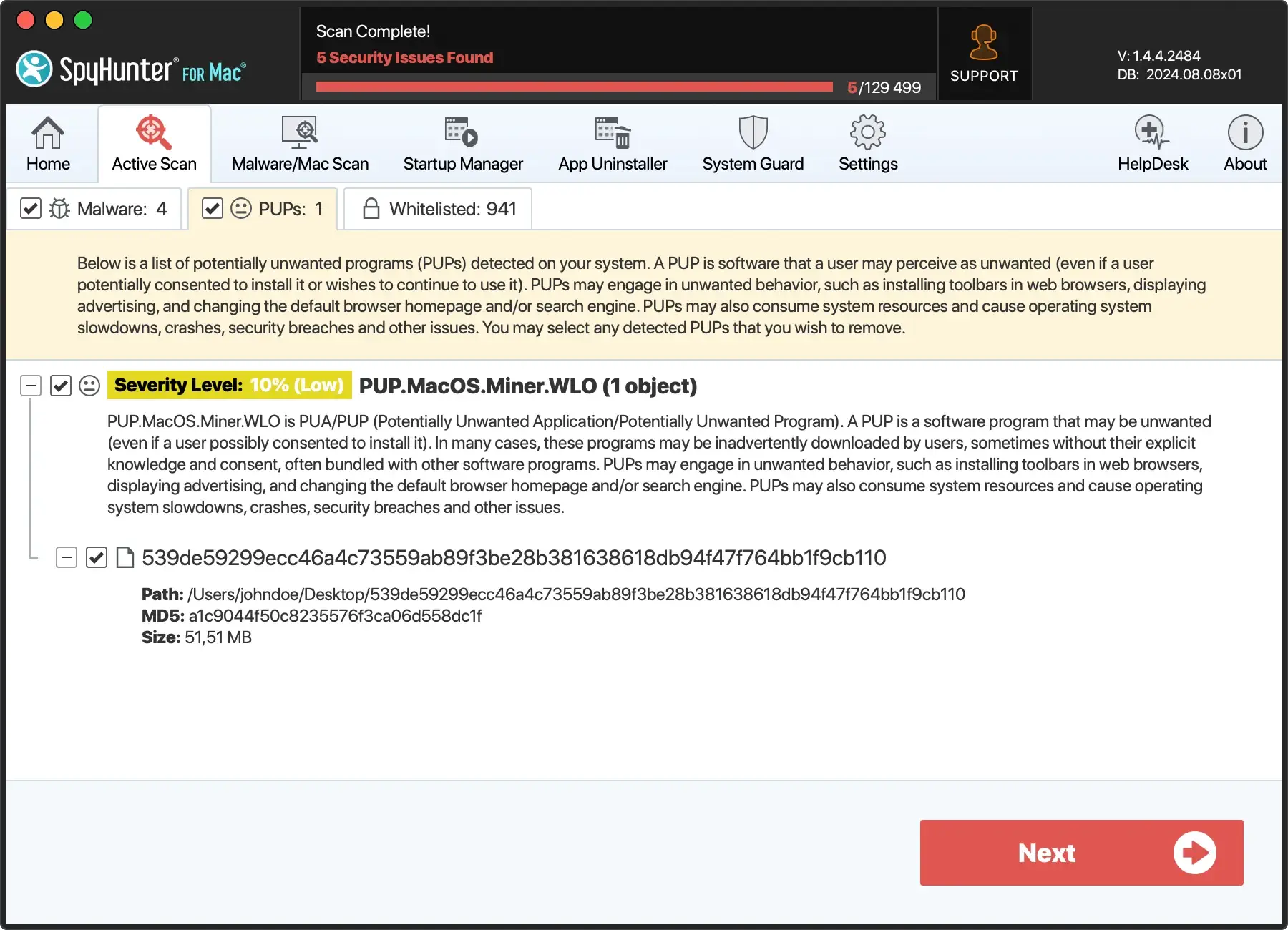
Ensure that your security software is up-to-date. Also, consider scheduled scans to catch any potential threats early.
Practice safe browsing habits
Adware often makes its way onto systems through unsafe browsing practices.
Be cautious of the websites you visit, the links you click, and the downloads you initiate.
Avoid interacting with pop-up ads or banners that seem suspicious or too good to be true. Utilize ad blockers and privacy extensions to minimize exposure to potentially harmful content.
Utilize network security measures
Secure your home and work networks using strong, unique passwords and employing network security features like firewalls.
Start using a Virtual Private Network (VPN) when accessing public Wi-Fi. This will encrypt your connection and protect against spying.
Create and maintain frequent backups
Regular backups ensure you can restore your Mac to a clean state without significant loss if an adware infection compromises your data.
Use MacOS’s built-in Time Machine or cloud storage services to create reliable backups of your important files and applications.
Following these guidelines can significantly reduce the likelihood of experiencing an adware infection on MacOS.
Consistently applying these precautions will help you maintain a secure, adware-free computing environment, allowing for a safer and more pleasant online experience.
