

Fix “Receiver Helper Will Damage Your Computer” Alert (2025)

Before we dive in
Before we dive in, let's make sure you stay safe online. We created SpyHunter because your security matters to us.
Protect your computer today — download SpyHunter right here! Check out our top tips below to keep your computer safe and secure.

Stumbled upon the Receiver Helper on your Mac and unsure what it is or how it got there?
Many Mac users find themselves puzzled by sudden changes in their browser settings or an influx of annoying ads, all pointing back to this mysterious application.
Don’t be fooled by its harmless name; Receiver Helper is a potentially unwanted program (PUP) that could expose you to unnecessary risks.
From altering your browsing experience to collecting your personal data, it’s a silent threat that you want to remove quickly.
What is the Receiver Helper malware?
Receiver Helper, commonly mislabeled as a Mac virus, is actually a different type of Mac malware – a potentially unwanted program (PUP).
Its behavior exhibits traits commonly associated with adware and browser hijackers. This has led to a considerable amount of confusion and concern among Mac users who find the application on their system unexpectedly.
Once installed, Receiver Helper employs unethical browser hijacking techniques and begins to modify browser settings without the user’s consent.
This can include changing the default homepage and search engine to ones controlled by the software, leading to an altered browsing experience.
The primary aim of these changes is to push advertisements and redirect web traffic to specific sites.
These sites can range from mildly annoying advertising pages to more malicious websites that could harm your computer or compromise your personal information.
The misleading nature of Receiver Helper’s behavior is what often raises alarms for Mac users.
Why am I seeing the “Receiver Helper will damage your computer” message?
The application might display alarming pop-ups stating that “Receiver Helper will damage your computer”. The message will be supplemented by a message that the file has been downloaded on an unknown date.
This is an automated defense mechanism of your Mac, triggered by the Gatekeeper anti-malware tool that is integrated in all modern macOS versions.
Understanding that Receiver Helper is not a traditional virus but a potentially harmful program is key.
While it may not damage your Mac’s system directly, its activities can expose you to significant security risks and diminish your overall browsing experience.
If you are seeing this warning message, your safest bet is simply deleting the Receiver Helper file before it had a chance to install and cause further issues.
How Receiver Helper infects Macs
Receiver Helper typically preys on Mac users who are less experienced in navigating software installations.
One of its primary infiltration methods is bundling with freeware or shareware. Unsuspecting users download these repacked installers from the internet, not realizing that they contain hidden extras.
During installation, skipping the Advanced or Custom settings options where bundled software is disclosed results in unintended installations of potentially unwanted applications like Receiver Helper.
Another common tactic involves deceptive advertising. Users may encounter enticing banners or ads that, when clicked, redirect them to sites prompting the download of fake software updaters or optimization tools.
These sites can also execute scripts stealthily to install Receiver Helper or similar threats without user consent.
Misleading ads exploit users’ curiosity or urgency, tricking them into initiating downloads that compromise their Mac’s security.
Recognizing and avoiding these tricks is crucial for preventing the infiltration of unwanted Mac adware like Receiver Helper on your Mac.
Signs of Receiver Helper infection on your Mac
One clear indication is the unexpected change in your web browser’s settings. If your homepage, new tab page, or preferred search engine has been altered without your consent, it’s a telltale sign of an infection.
These modifications often redirect you to hoax search engines that harvest your data.
Another significant indicator is the slowdown of your browser’s performance. Receiver Helper, like other potentially unwanted programs (PUPs), tends to overload your browser with ads, causing it to lag or crash frequently.
You might also notice an influx of pop-up ads or banners that were not there before, many of which could redirect you to suspicious or harmful websites.
Additionally, unexpected applications or extensions appearing on your Mac can be a sign of Receiver Helper’s activity.
These unwanted installations usually accompany the main PUP and contribute further to the deterioration of your system’s performance and security.
If you start receiving warnings about malware damage or see incessant pop-up messages claiming various infections on your computer, it’s likely the work of Receiver Helper trying to deceive you into downloading more malicious software.
Such scare tactics are common among PUPs to trick users into taking unnecessary actions that further compromise their system.
Use SpyHunter to remove Receiver Helper
You can choose to leverage the automated removal process offered by SpyHunter to clean malware similar to Receiver Helper from your Mac.
Download the app here and follow the on-screen guide to finish the installation properly.
Launch the SpyHunter app and start a full system malware scan from its main menu. The scan will take a short while and then produce a list of all malicious files found on your system, including adware similar to Receiver Helper.
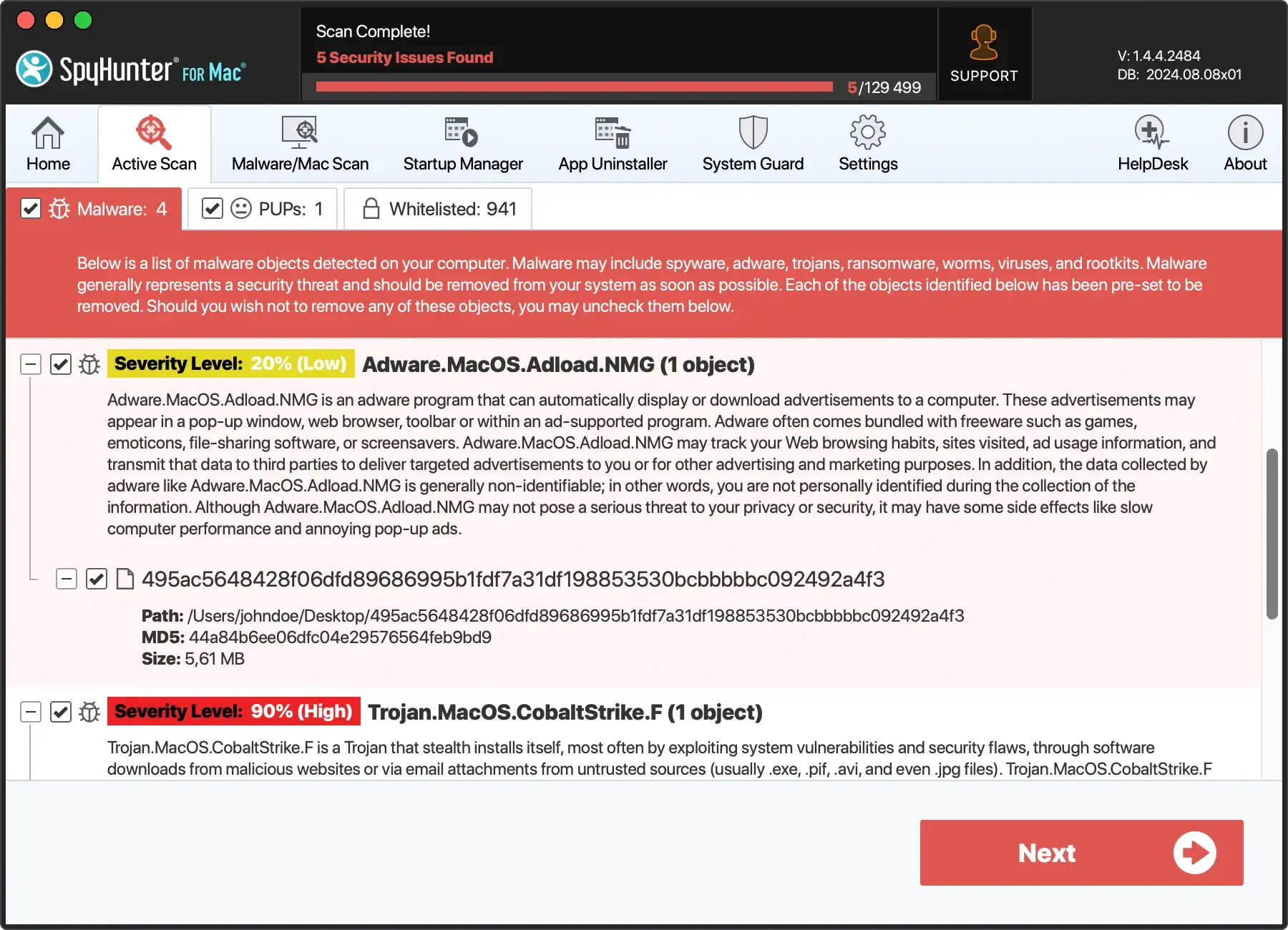
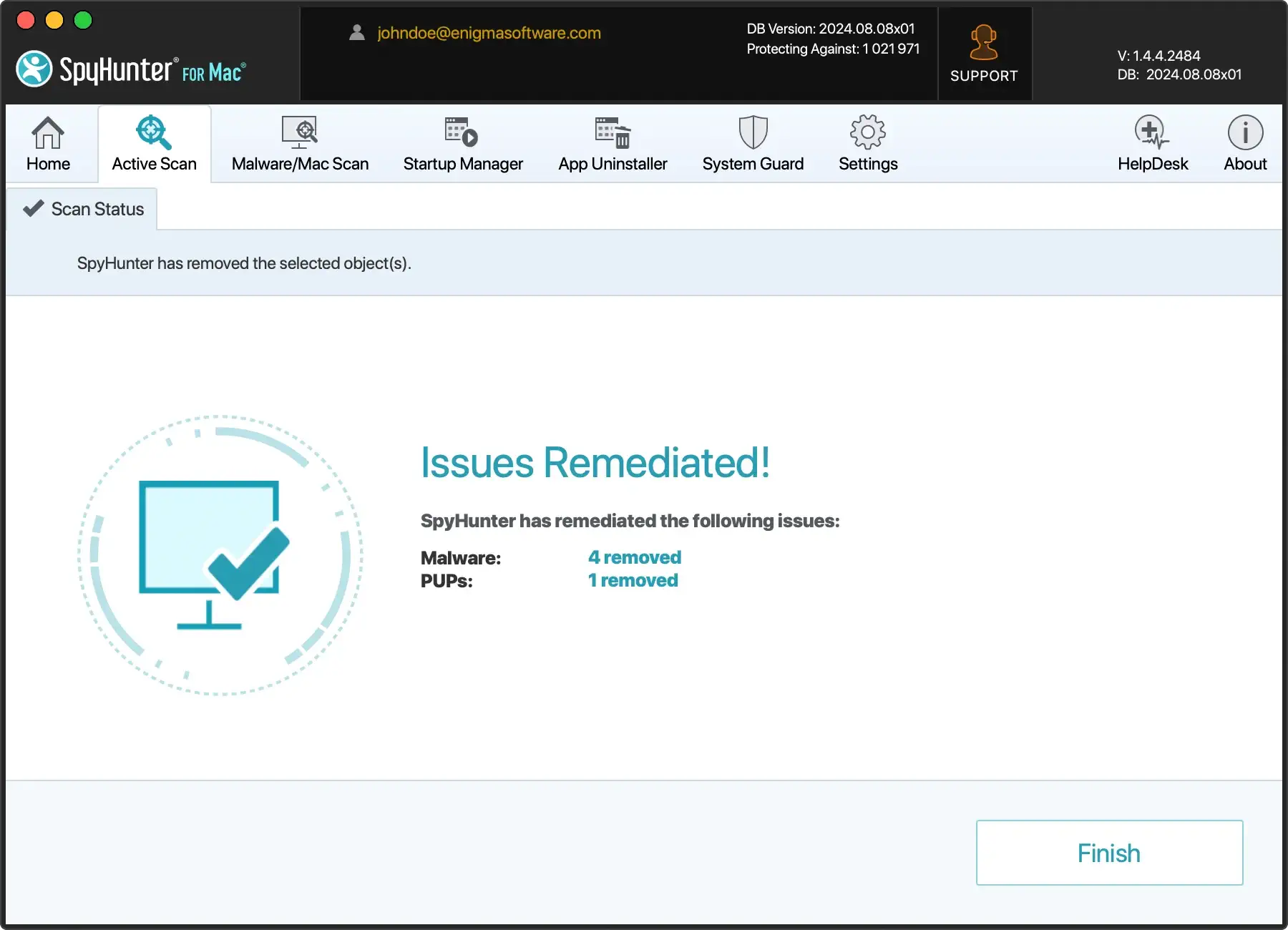
Use the app’s interface to proceed with the automated removal procedure and clean your system for a safer, more stable user experience.
Manual removal tips for Receiver Helper
Step 1: Remove Receiver Helper from Applications
- Open your Applications folder through Finder.
- Examine the list of app icons and search for any you don’t recognize or that you never used that look suspicious. Obviously, any apps named Receiver Helper are a target too.
- Drag and drop the suspicious apps into the Trash.
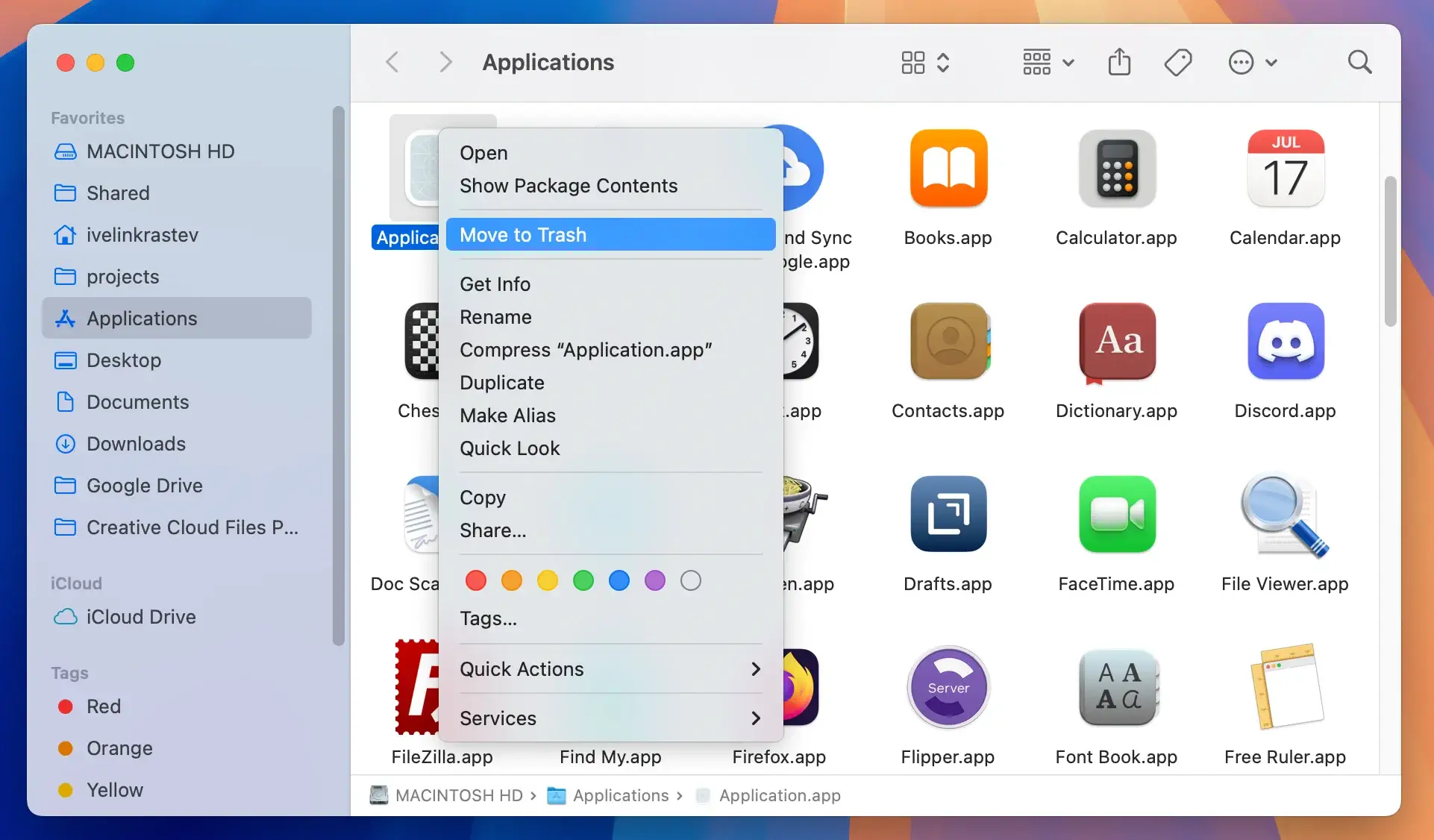
- Empty the Trash to complete this step.
Step 2: Remove leftover files linked to Receiver Helper
- Open Finder, then click on Go > Go to Folder in the top Finder menu.
- In the dialog window that comes up, enter the following path locations one by one, pressing Return after each one, so you can examine the contents of each:
/Library/LaunchAgents//Library/Application Support//Library/LaunchDaemons/~/Library/LaunchAgents/~/Library/Application Support/
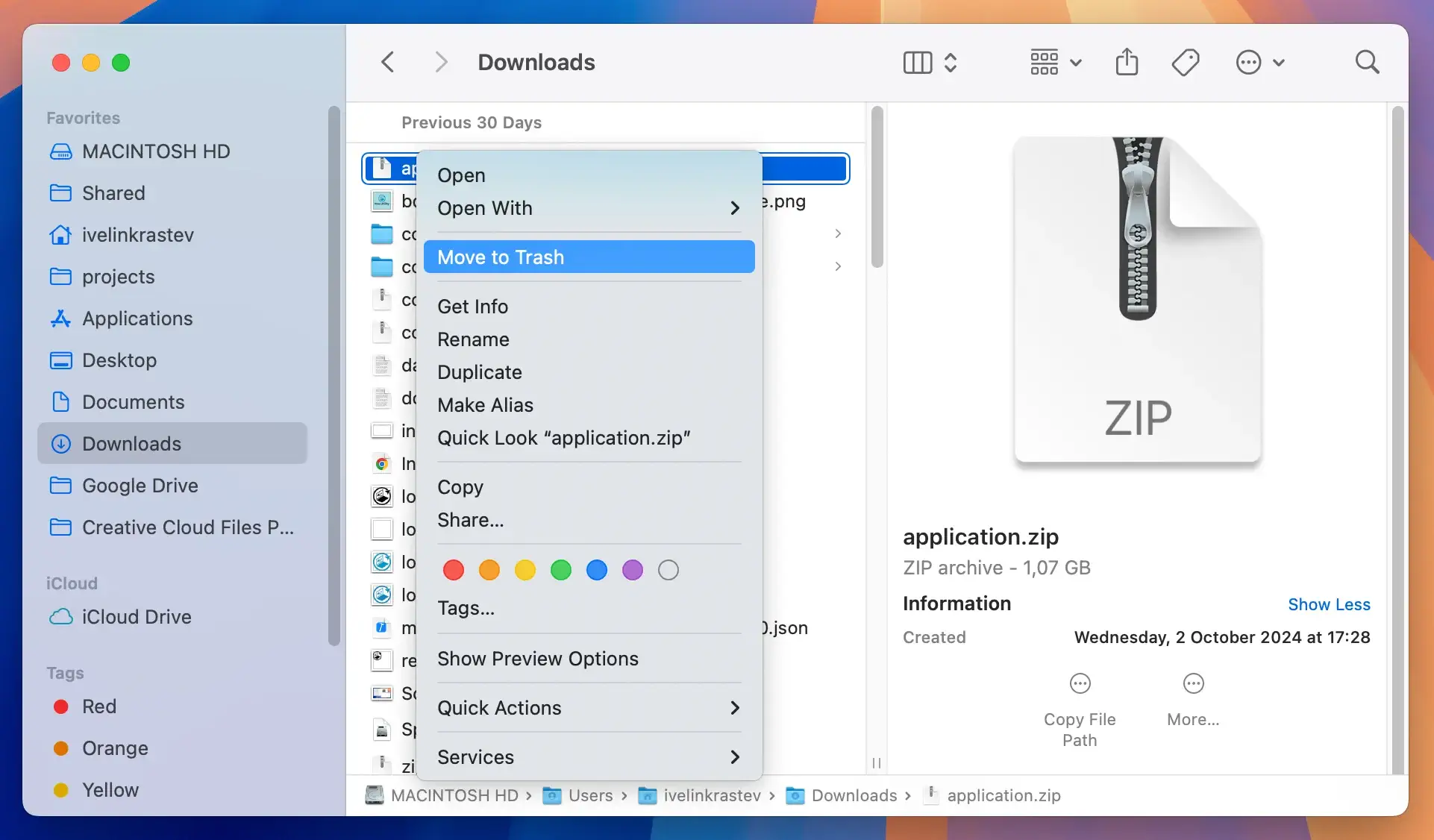
- Manually locate and delete all files inside those locations that are linked to Receiver Helper.
- Empty your Trash to remove all residual files completely.
Step 3: Cleanse your browsers from Receiver Helper extensions
Even after removing Receiver Helper and its residual files, it’s essential to ensure your web browsers are clean.
The malware might have installed extensions or add-ons that can continue to affect your browsing experience by redirecting your searches, displaying ads, or capturing personal information.
For Safari users:
- Open Safari and click on the Safari menu, then choose Preferences.
- Go to the Extensions tab and look for any extensions related to Receiver Helper, or that you don’t recognize.
- Select the suspicious extension and press Uninstall.
For Google Chrome users:
- Launch Google Chrome and click on the three dots in the upper-right corner, then select More Tools followed by Extensions.
- Find any extensions linked to Receiver Helper or unknown to you.
- Click Remove to delete these extensions from your browser.
For Mozilla Firefox users:
- Open Firefox and access the menu by clicking on the three horizontal bars in the top right corner.
- Select Add-ons and then Extensions.
- Identify any extensions related to Receiver Helper or that seem suspicious.
- Click Remove to get rid of these extensions.
Tips to prevent malware infections
In addition to leveraging software solutions like SpyHunter for proactive defense against malware, adopting vigilant online behaviors is equally important.
Be skeptical of unsolicited emails or messages, especially those with attachments or links, as they are common vectors for malware distribution.
Even when downloading software, opting for official and reputable sources greatly diminishes the risk of inadvertently installing malicious applications.
Furthermore, using a robust password strategy across all your accounts can significantly bolster your security posture.
Consider employing a password manager to generate and store complex passwords, making it harder for attackers to gain unauthorized access.
Lastly, enabling two-factor authentication where possible adds an extra layer of security, ensuring that even if your passwords are compromised, your accounts remain protected.
