

Remove CommonRemote Adware from Mac (Complete Guide)

Before we dive in
Before we dive in, let's make sure you stay safe online. We created SpyHunter because your security matters to us.
Protect your computer today — download SpyHunter right here! Check out our top tips below to keep your computer safe and secure.

CommonRemote is an intrusive piece of adware that targets Mac users. It bombards them with unwanted ads and potentially jeopardizes their privacy.
This article delves into the mechanics of CommonRemote, uncovering how it infiltrates systems, its symptoms, and its impact on users’ digital lives.
We’ll also guide you through effective strategies for detecting and removing CommonRemote. Protect your Mac from this and similar adware threats.
Dive in to arm yourself with the knowledge needed to combat the nuisance of CommonRemote and maintain a secure, optimized environment.
Understanding CommonRemote adware
MacOS users often enjoy a sense of security from the widespread belief that their systems are less susceptible to malware.
Yet, the advent of adware like CommonRemote, part of the notorious AdLoad family, challenges this perception.
Recognizing and addressing the threat CommonRemote poses is crucial for maintaining the integrity of Mac systems.
What is CommonRemote Adware, and how does it affect your Mac?
CommonRemote Adware is a malicious software program designed specifically to target MacOS systems.
Once infiltrated, it bombards the user with unwanted advertisements, alters search results, and modifies browser settings without consent.

Beyond mere annoyance, these activities can lead to system vulnerabilities, leaving an open door for further infections.
The adware’s association with the AdLoad family highlights its potential for serious harm to system performance and user privacy.
Common signs your Mac is infected with CommonRemote
If CommonRemote adware has infiltrated your Mac, you may notice several disruptive and worrying signs:
- Unexpected Pop-Up Ads: You’re bombarded with ads that don’t match the content of your browsing sites.
- Browser Redirects: Your web sessions are hijacked, redirecting you to unwanted or harmful websites.
- Unwanted Changes to Your Browser: If your homepage or search engine switches without your consent, it’s a red flag for adware infection.
- Sluggish System Performance: Your Mac might slow down, crash more often, or struggle to boot up.
These issues can hamper your daily computer use, pointing to underlying security vulnerabilities. Beyond the immediate annoyances, CommonRemote risks your privacy and financial security.
Promptly identifying and eliminating CommonRemote adware is crucial for protecting your digital well-being.
Remove CommonRemote adware from macOS
The removal process of CommonRemote adware requires careful attention to detail to ensure the complete eradication of the adware without harming your system.
The following guide outlines the steps for removing CommonRemote adware, covering everything you need for a thorough cleanup.
Preparation step: Back up your data before removal
Before attempting to remove the CommonRemote adware or any other malware, it’s essential to back up your data.
Data loss can sometimes occur during cleaning, especially if critical system files become compromised.
Using Time Machine or your preferred backup method, ensure that all essential documents, photos, and other data are securely backed up to an external drive or cloud storage.
This step ensures you can restore your system to its previous state without significant inconvenience in the unlikely event of data loss.
Step 1: Identify and delete malicious profiles
Adware like CommonRemote often creates configuration profiles to control your browser and system settings.
Click the Apple logo at the top left and select System Preferences (named System Settings on newer macOS versions).
Scroll through the list of settings and try to find the Profiles section. Analyze the list of profiles for any suspicious ones.
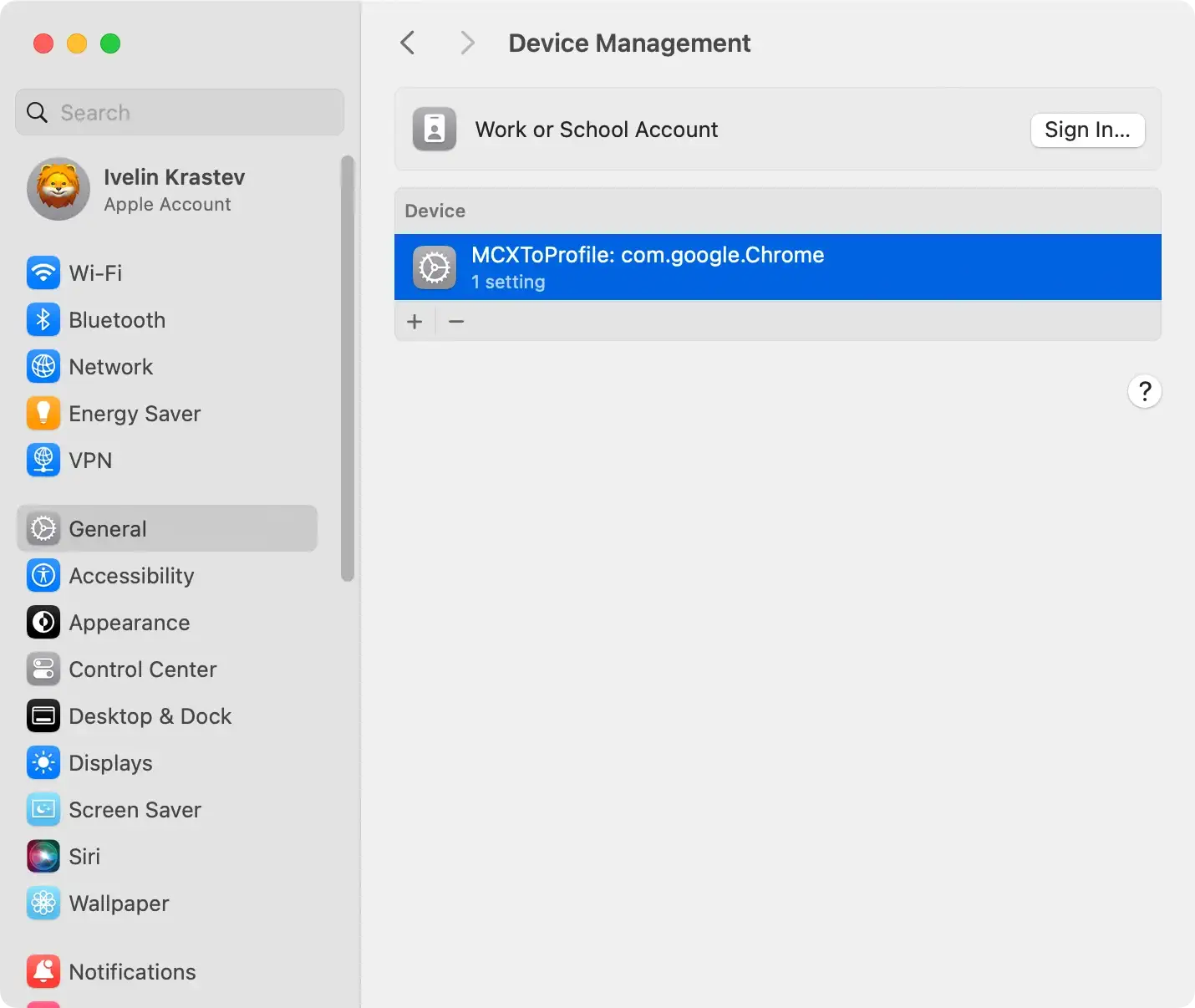
Select these profiles and click the minus (-) button to remove them, requiring your administrator password to confirm the action.
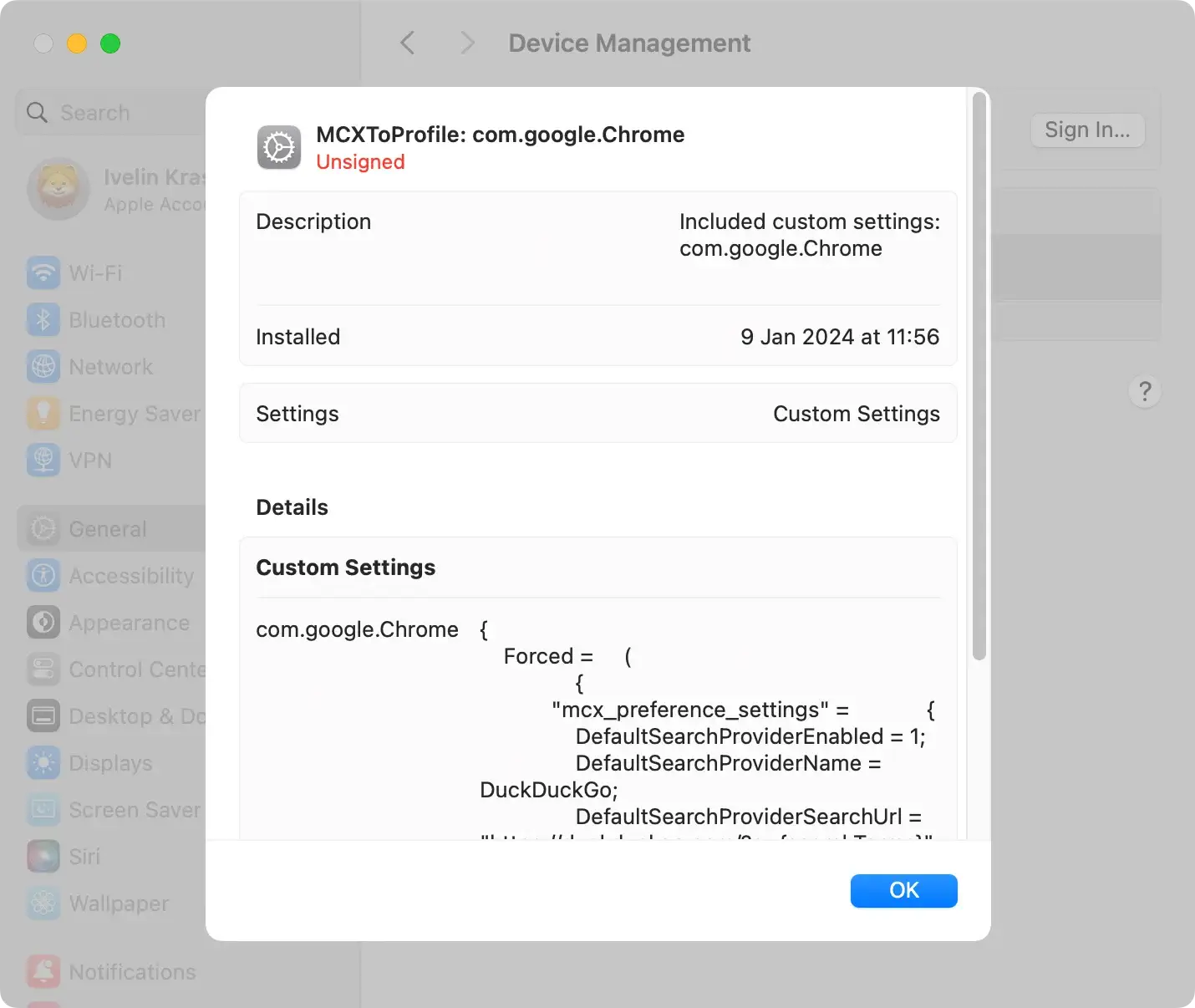
Removing these profiles is crucial to regain control over your MacOS settings.
Step 2: Remove CommonRemote apps and related files
Once you’ve identified that CommonRemote adware has compromised your Mac, swiftly removing the associated applications and their residual files is crucial. Here’s a step-by-step guide:
Steps to remove CommonRemote applications
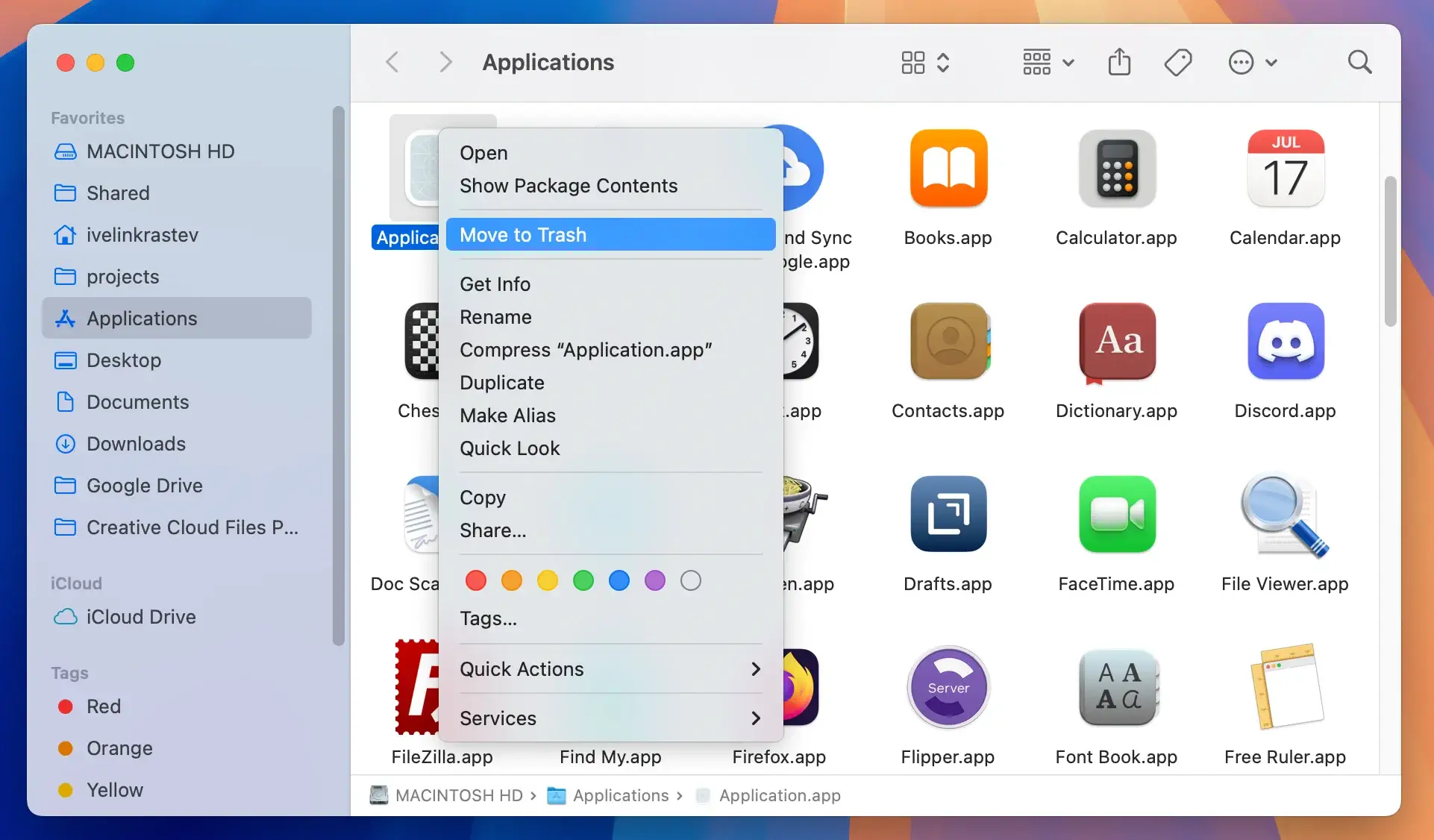
- Open a new
Finderwindow and navigate to theApplicationsfolder to view all the apps installed on your Mac. - Look for CommonRemote or any other applications you don’t recognize or remember installing.
- Move the unwanted applications to the Trash.
- To permanently remove the applications, empty the Trash.
Steps to clean up related files
After uninstalling the CommonRemote applications, ensure no leftover files remain. These steps help locate and delete any related files:
- Access Library Folders: Open Finder, press
Shift + Command + Gto open theGo to Folderdialog, and check the following paths for any CommonRemote-related files:~/Library/Application Support/~/Library/Preferences/~/Library/LaunchAgents//Library/LaunchDaemons//Library/LaunchAgents/~/Downloads/
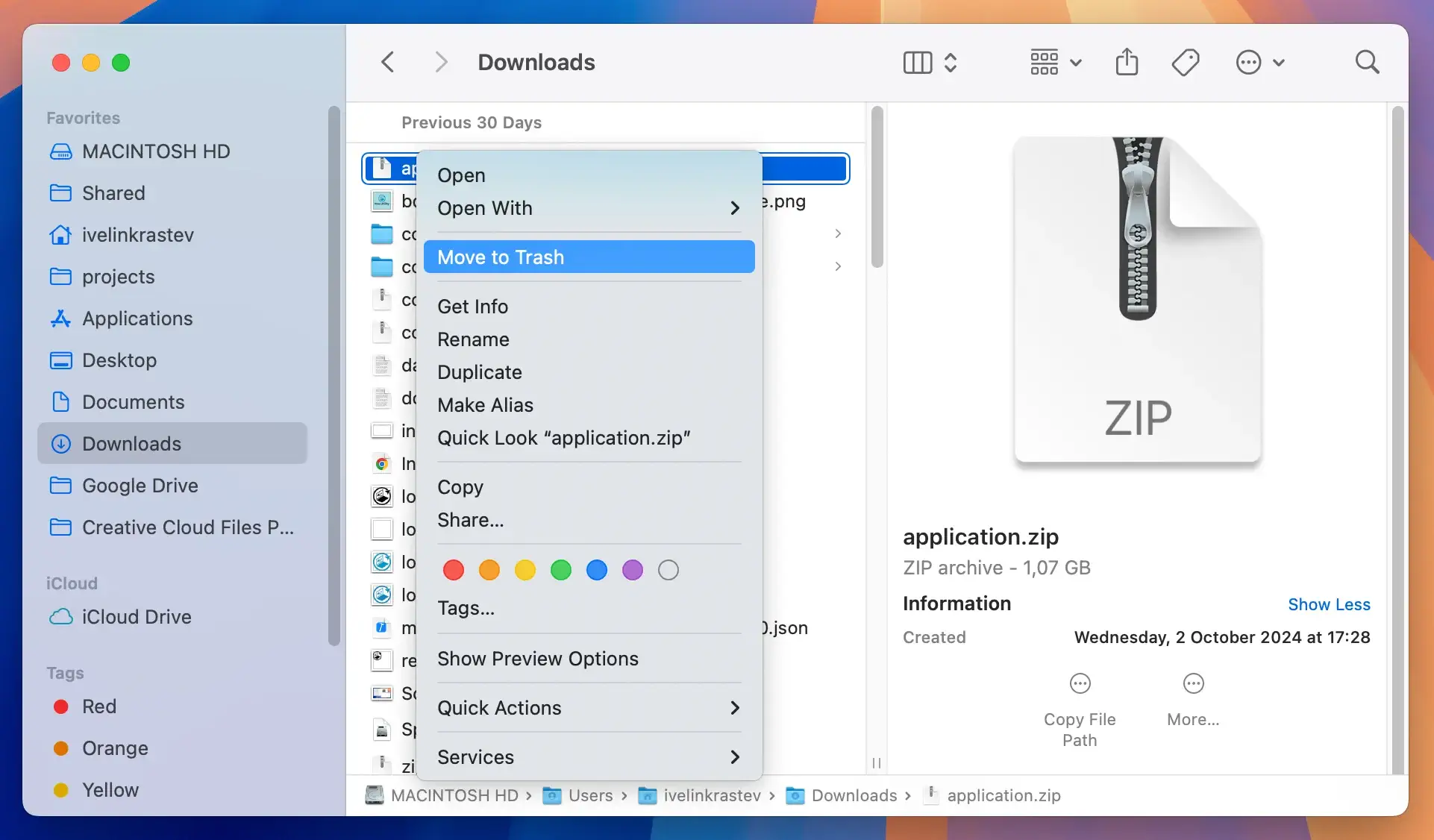
- Review and Delete: Carefully review the files in these folders. If you find files associated with CommonRemote or unknown applications, drag them to the Trash. Then, empty the Trash as described above.
Important note
Deleting system files can be risky. If you’re unsure, consider using SpyHunter’s App Uninstaller feature. It identifies and removes applications and associated files, minimizing the risk to your system.
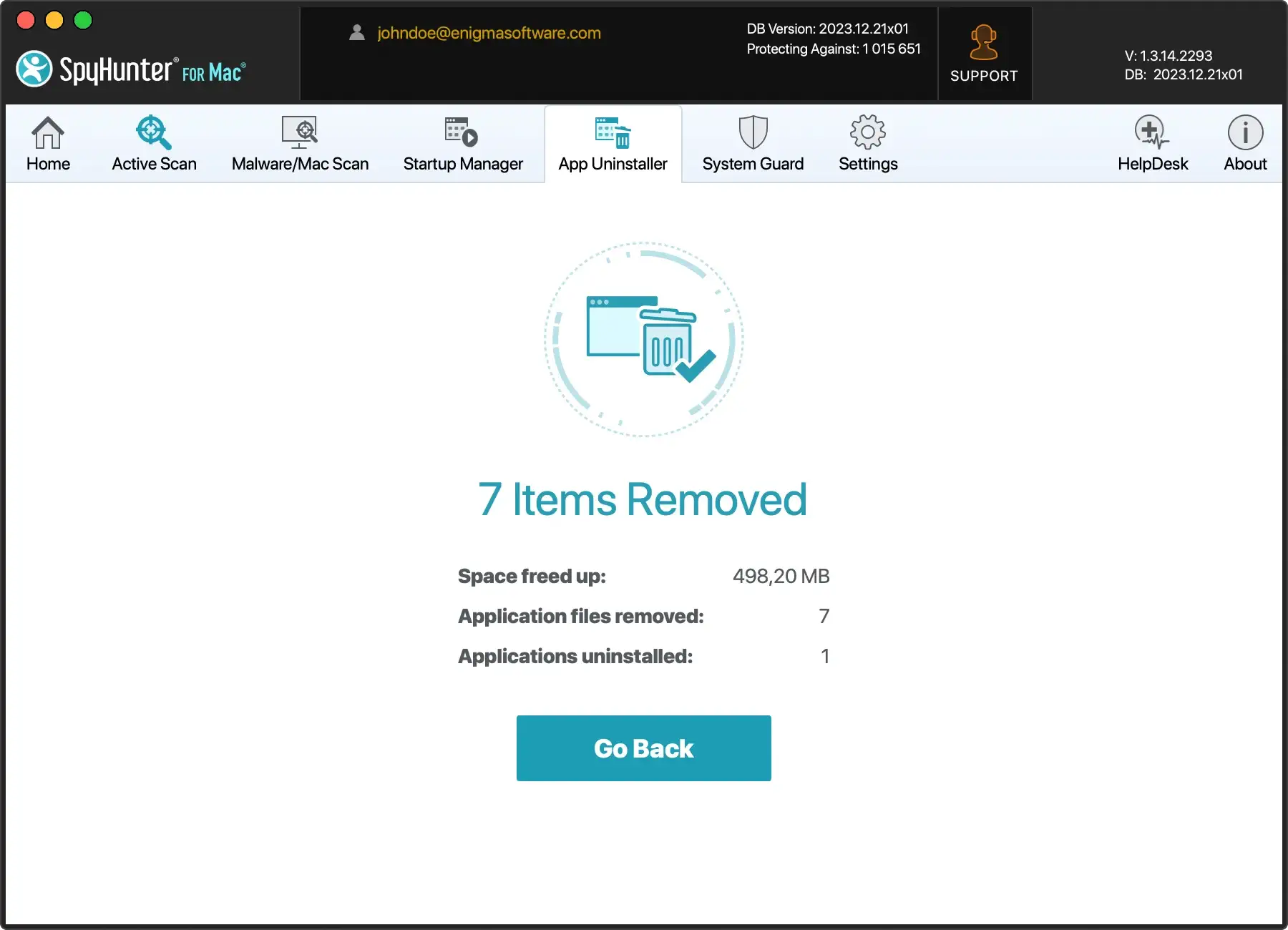
Download SpyHunter from here to streamline the removal process.
By thoroughly removing CommonRemote applications and related files, you can help ensure your Mac is clean and restore its performance.
Step 3: Clean up your browsers from CommonRemote
Adware affects your web browsing experience by adding unwanted extensions or changing settings. To address this:
- Safari: Go to
Safari > Preferences > Extensionsand look for extensions you don’t recognize or didn’t willingly install. Uninstall all the dubious Safari extensions. - Chrome: Open Chrome and type
chrome://extensionsinto the address bar. Review the list of extensions and remove any that are unfamiliar or not intentionally installed. - Firefox: Access the
Extensionsmenu and remove any unwanted or unknown extensions.
After removing the extensions, it’s recommended that you reset your browser settings to the default to ensure all changes made by the adware are reverted.
Step 4: Perform a full anti-malware scan on your Mac
After manually clearing out CommonRemote apps and files, running a comprehensive anti-malware scan is crucial. This ensures any adware remnants or other hidden malware are detected and removed.
SpyHunter for Mac is highly recommended for this task due to its robust scanning capabilities and proactive defense mechanisms.
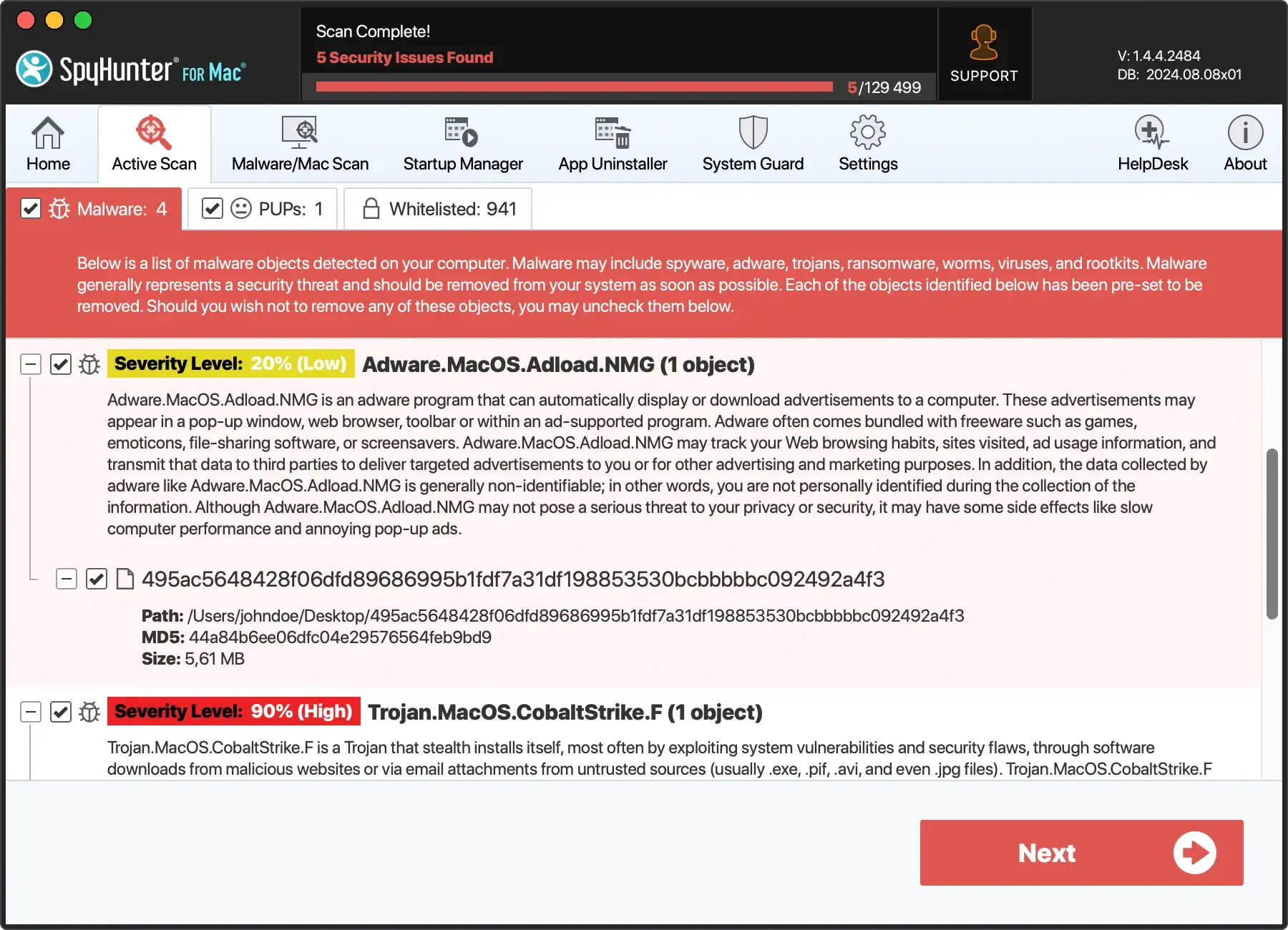
SpyHunter for Mac excels in deep system scans, uncovering adware, malware, and any cybersecurity threats with precision.
Its System Guards feature offers real-time protection, actively monitoring and blocking malicious processes before they execute, ensuring ongoing safety for your Mac.
- Download SpyHunter for free here and follow the instructions to embed SpyHunter into your system.
- Launch SpyHunter and select the option to perform a full system scan. Allow the software to thoroughly check your Mac for any traces of CommonRemote or other malicious entities.
- SpyHunter will list all detected issues after the scan. Follow the instructions to remove any found threats, securing your Mac from potential harm.
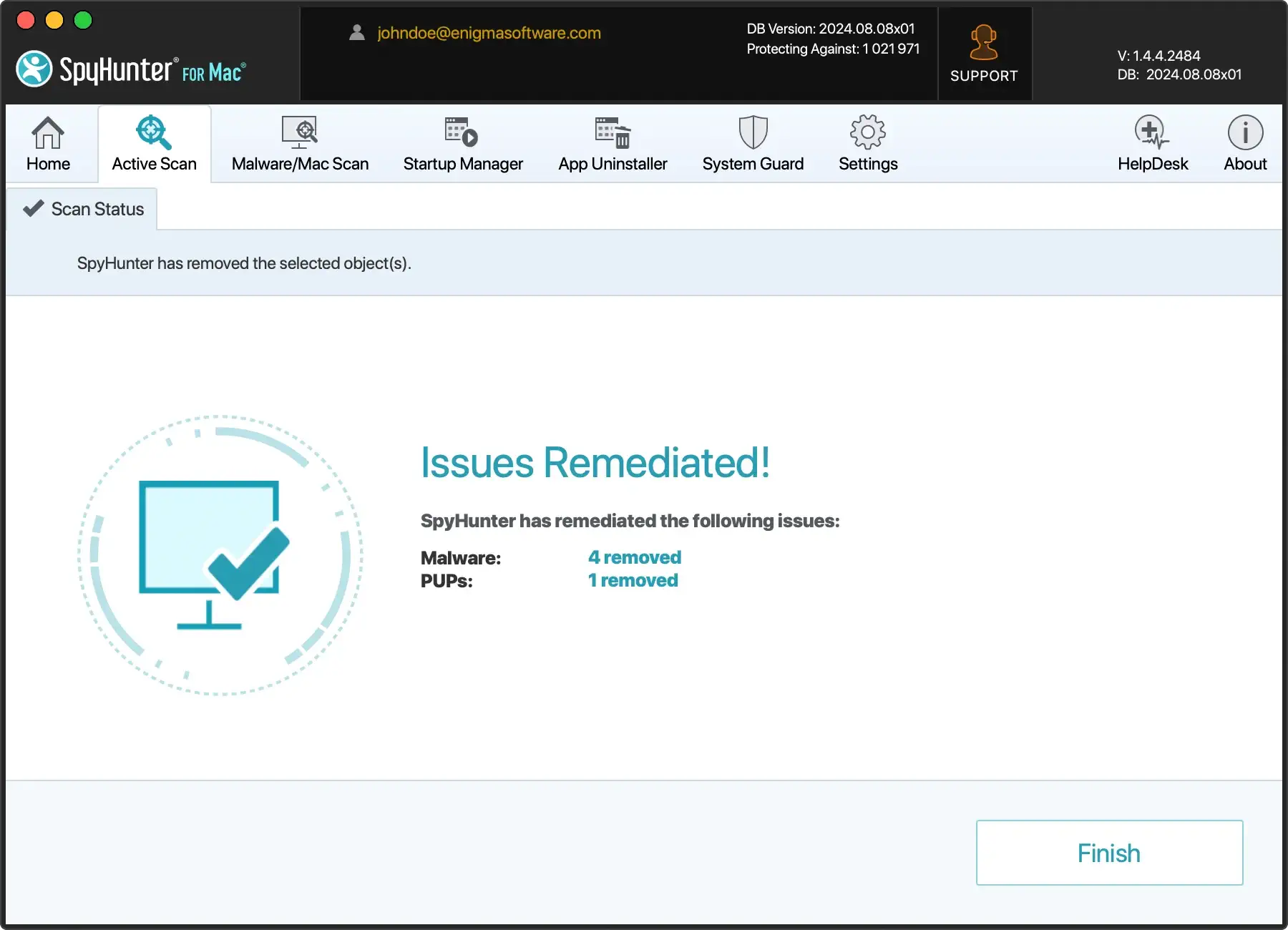
Completing a full scan with SpyHunter ensures your Mac is free from CommonRemote and protected against future invasions, thanks to its advanced scanning technology and System Guards.
Secure your Mac after removing CommonRemote
After removing CommonRemote adware from your MacOS, the final step is to secure your system against future infections.
Adware, while slightly less harmful than other malware forms, can serve as a gateway for more severe threats. Adopting proactive security measures is crucial to maintain the health and safety of your Mac.
Tips to enhance your Mac’s security
- Update Regularly: Keep your MacOS and all installed applications up to date. Software updates often include patches for security vulnerabilities that can be exploited by adware and malware.
- Use an Antivirus Tool: Install and maintain a reputable antivirus program. Regular scans with software like SpyHunter can detect and remove malicious software before it causes problems.
- Download Wisely: Only download software from respected sources such as the App Store or official developer websites. Avoid downloading from third-party sites, which sometimes offer software bundled with adware.
- Stay Informed: Educate yourself about the latest types of online threats. The more you know how adware operates, the better you can avoid unwanted installations.
- Enable a Firewall: MacOS comes with a built-in firewall. Ensure it’s enabled to help block unauthorized connections to your computer.
- Adopt Safe Browsing Practices: Avoid clicking on advertisements or email links from unknown sources.
Following these tips can mitigate the risk of future adware infections and maintain a secure Mac OS environment.
Conclusion: Maintaining a clean and secure macOS environment
The battle against CommonRemote adware and its kind is ongoing. The steps outlined in this guide provide a comprehensive approach to combating adware.
However, the responsibility does not end with removing a single piece of malware.
Ensuring your Mac remains free from adware and other malicious software requires a commitment to regular updates, education on the latest threats, and adhering to best practices in digital hygiene.
Remember, the security of your MacOS environment is not just about protecting your device but safeguarding your privacy, data, and digital well-being.
