

How To Remove Bloom Adware On Mac [Simple Guide]

Before we dive in
Before we dive in, let's make sure you stay safe online. We created SpyHunter because your security matters to us.
Protect your computer today — download SpyHunter right here! Check out our top tips below to keep your computer safe and secure.

Adware is a persistent nuisance for many computer users, often displaying unwanted ads and trying to lure people into clicking on misleading offers.
Bloom is one such adware application known on Windows systems, but it’s important to understand that while it directly targets Windows, similar adware could find its way into your Mac, especially through browser extensions and other software bundles.
In this guide, we’ll explain what adware is, how it operates, and how you can protect and clean your Mac from any adware activity that mimics Bloom’s intrusive behavior.
What is Bloom adware?
Bloom is a type of Windows-based adware program designed to flood users with ads by embedding itself into their browser and system files.
As a Windows application, Bloom carries its own executable file (.exe) that enables it to run and serve ads on Windows systems. Because macOS cannot run .exe files, Bloom itself is not a direct threat to Mac computers.
However, similar adware programs for macOS use browser extensions or plug-ins to deliver the same kind of invasive ad experience.
Adware often installs itself through bundled software or deceptive pop-ups that urge users to download “helpful” tools or plugins. Once installed, it starts injecting ads into webpages or redirects users to unwanted sites.
What should you do if you find Bloom on your Mac?
Since Bloom is an application made to work on Windows machines, it will not be able to infect your Mac. If you have the malicious application on your Mac’s drive, simply delete the folder and empty your Trash.
The adware should not be able to infect your system and a simple deletion is enough.
How does adware impact your Mac?
Although Bloom specifically won’t affect a Mac, other types of adware can impact performance and privacy. Adware can:
- Slow down your Mac: Constant ad-loading in the background can strain your Mac’s CPU and memory, causing slower performance.
- Inject unwanted ads: Adware might display irrelevant ads in your browser or on webpages where they usually wouldn’t appear.
- Track browsing activity: Adware may log your browsing habits, potentially exposing you to privacy risks.
- Redirect to rogue websites: Some adware can hijack your browser, redirecting you to potentially harmful or fraudulent sites, increasing the risk of malware exposure.
How to remove adware and suspicious extensions on your Mac
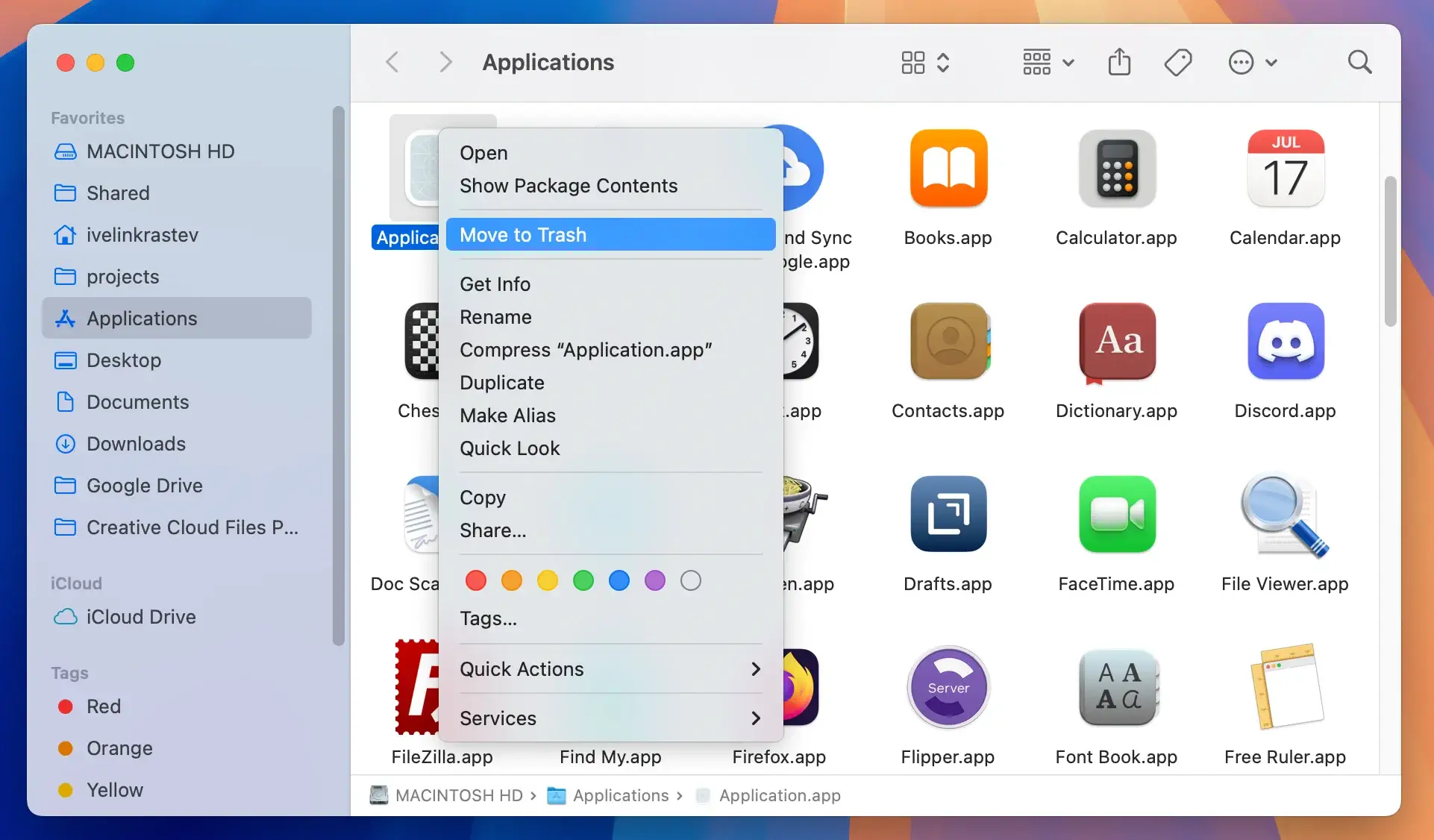
Step 1: Remove suspicious apps from the Applications folder
- Open Finder and go to Applications.
- Scroll through the list and look for any applications that you didn’t install or that seem suspicious.
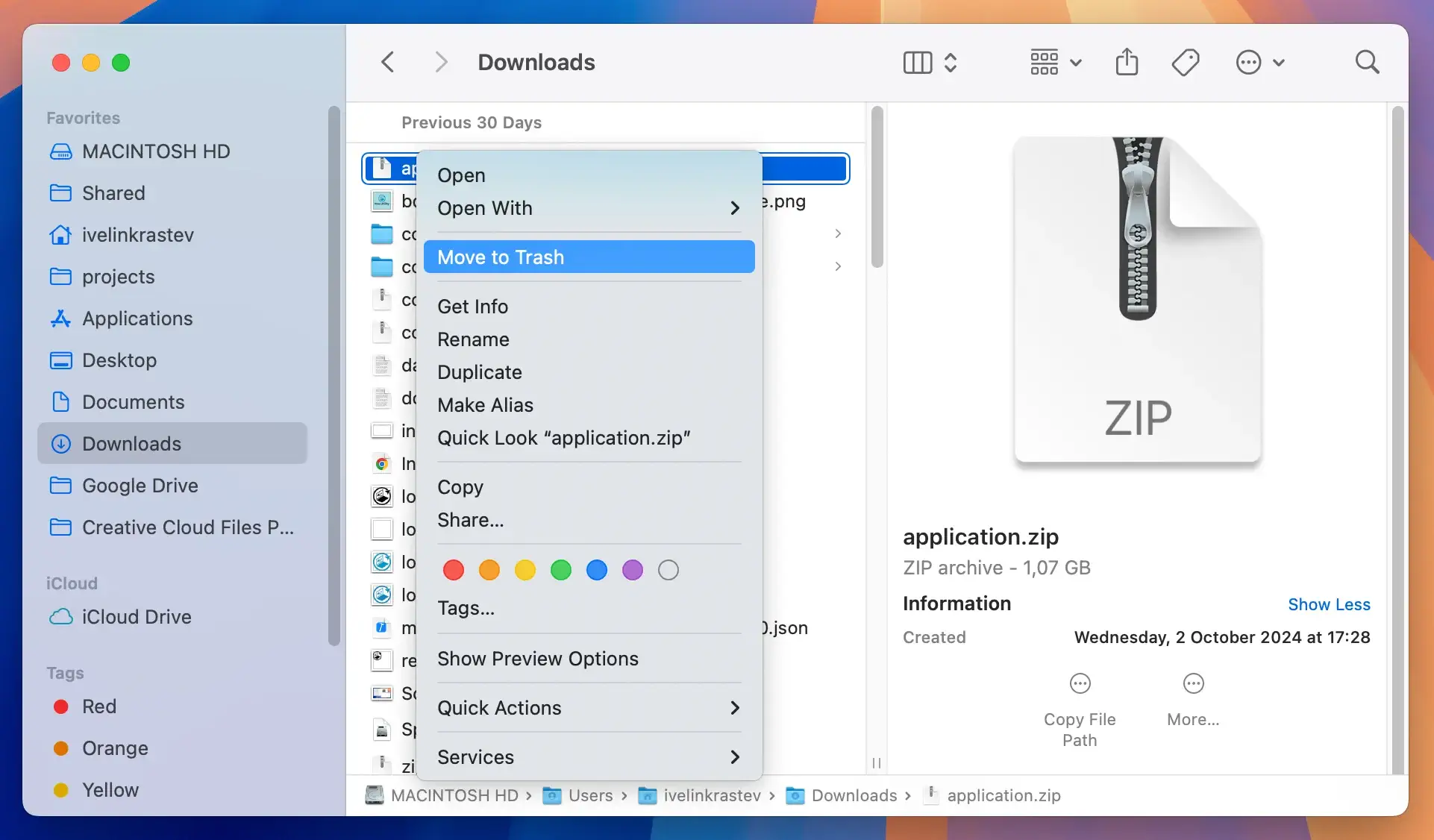
- Right-click on the app and select Move to Trash.
- Empty your Trash to remove the application fully.
Step 2: Delete Leftover Files
- Go to
Finderand click onGoin the top menu, thenGo to Folder. - Search for adware-related files in locations such as:
/Library/LaunchAgents//Library/Application Support//Library/LaunchDaemons/~/Library/LaunchAgents/~/Library/Application Support/
- Delete any files you suspect are related to adware. Be cautious and only delete files that you are certain aren’t related to critical applications.
- Empty the Trash to remove the leftover files permanently.
Step 3: Clear malicious browser extensions
Adware often relies on browser extensions to display ads. Here’s how you can review and clear these in your browsers.
For Safari
- Open Safari and go to
Safari > Preferencesin the top menu. - Go to the
Extensionstab, and look for any unfamiliar or suspicious extensions. - Select each suspicious extension and click
Uninstallto remove it. - Restart Safari to apply changes.
For Chrome
- Open Chrome and type
chrome://extensionsin the address bar. - Review the list of installed extensions and look for any that you don’t recognize or seem suspicious.
- Click
Removenext to each unwanted extension. - For added safety, you can clear Chrome’s cache by going to
chrome://settings/clearBrowserData. - Restart Chrome to complete the removal.
Use SpyHunter to keep your Mac adware free
SpyHunter is an anti-malware application that can both scan your Mac for existing malware and also keep it protected from future threats with its real-time guard component.
Having a robust and frequently updated anti-malware tool is essential in keeping your computer free from adware or even more serious malicious apps and files.
You can download SpyHunter here and install the app on your system. Launch SpyHunter and run a full scan from its main menu.
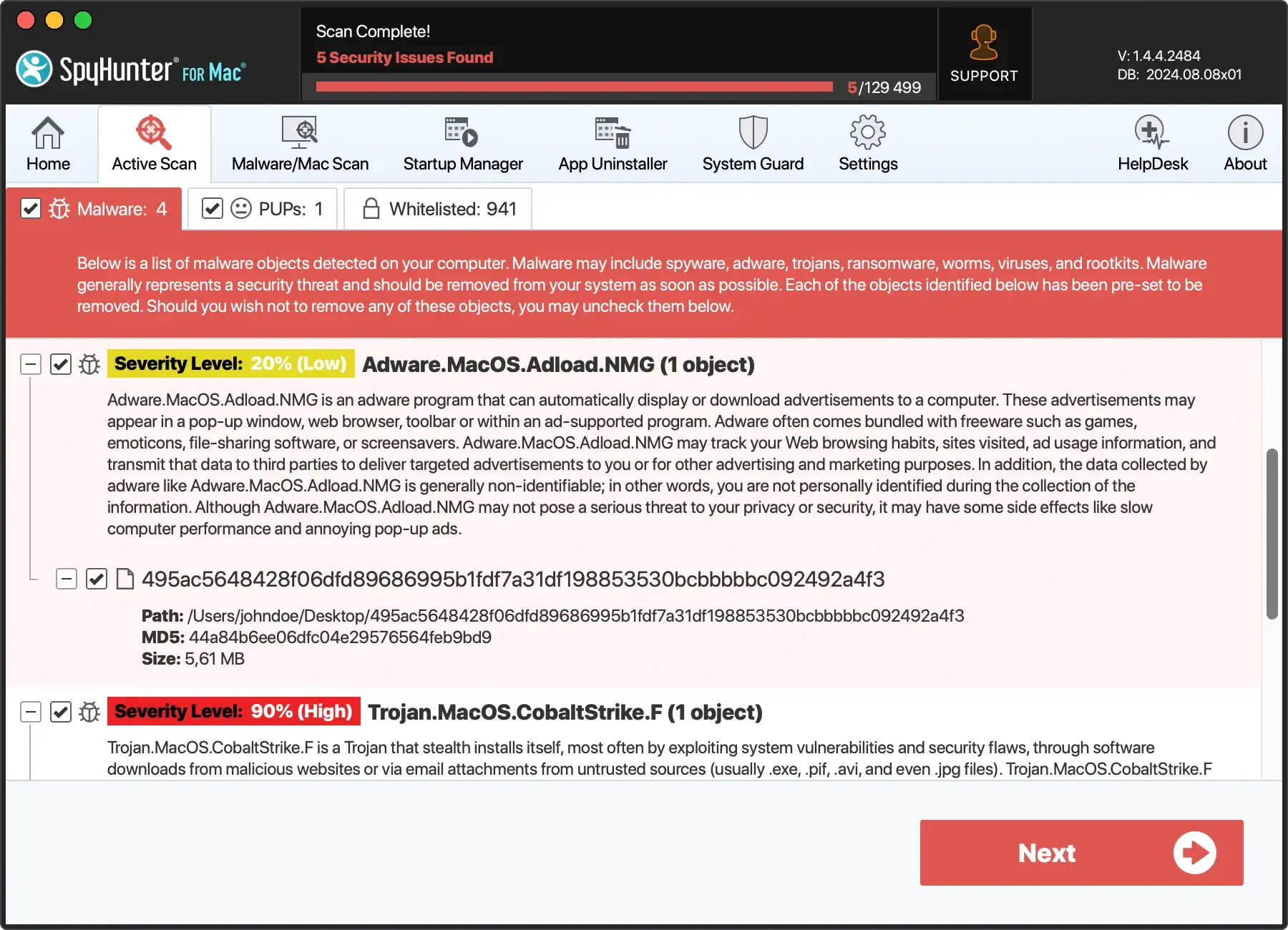
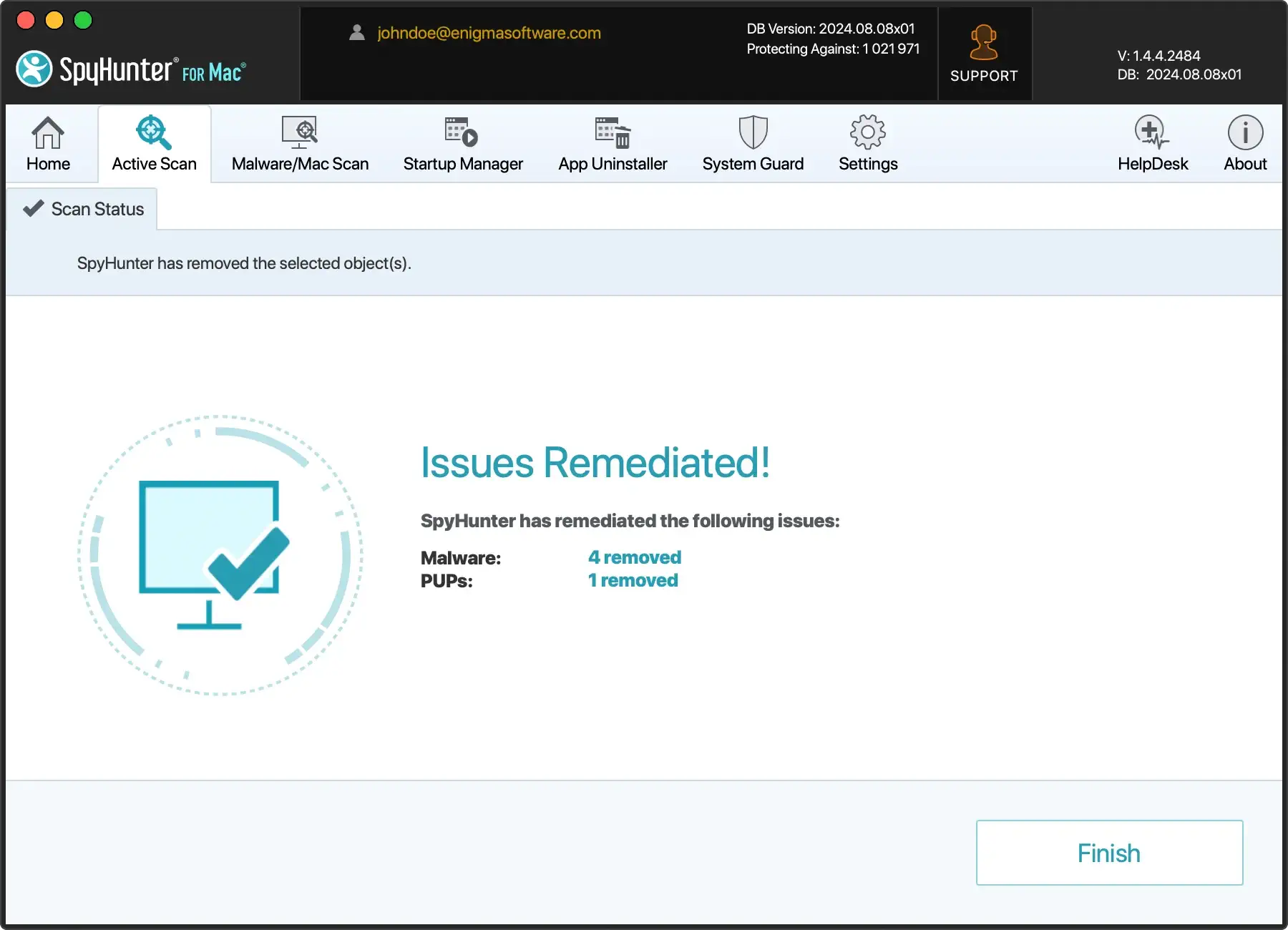
Examine the list of threats discovered and ensure all of them are marked for removal, then proceed with the automated cleanup process.
How to protect your Mac from adware
Preventing adware is always better than having to remove it. Here are some simple tips to keep your Mac safe:
- Download software from trusted sources: Avoid downloading applications from unknown websites, as these often come bundled with adware.
- Read installation prompts carefully: Many adware programs rely on users clicking “Next” without reading during software installation. Take a moment to review each step and decline any add-ons or plugins you don’t need.
- Install an adware removal tool: Consider a reputable adware removal tool to periodically scan your Mac for threats.
- Use reputable browser extensions: Only install extensions from trusted sources, and periodically check your browser for any unknown extensions.
By following these steps, you can protect your Mac from Bloom-like adware and ensure a smoother, ad-free browsing experience.
Keeping your system clean and knowing how to spot potential threats will help you stay secure while enjoying optimal performance on your Mac.
