

How To Fix Error 640 On Mac [2025]

Before we dive in
Before we dive in, let's make sure you stay safe online. We created SpyHunter because your security matters to us.
Protect your computer today — download SpyHunter right here! Check out our top tips below to keep your computer safe and secure.

Ever faced an Error 640 while trying to expand a zip file on your Mac?
This common error can emerge from incomplete downloads, permission settings, or simply because the file is too bulky for your system’s default settings.
In this article, we dive into the causes of error 640 and offer effective solutions, from re-downloading the file to tweaking your system’s permissions.
What causes error 640 when expanding a zip file on Mac?
Error 640 occurs when trying to expand a zip file on a Mac due to several reasons, ranging from system-specific issues to problems with the zip file itself.
This error can frustrate users expecting a smooth decompression of their files. Understanding the underlying causes can help resolve the issue effectively.

If you are looking for extra information on many other Mac error codes, you can check out our guide, which includes explanations and details on a lot of common errors.
Is your download incomplete?
Common triggers for error 640 are incomplete download chunks or damaged zip files.
If the download process is interrupted – perhaps due to a lost internet connection or server issues – the zip file may not have all the necessary data to expand correctly.
This can leave the file corrupt or incomplete, leading to errors during expansion. If multiple zip files are giving you the same error, it is entirely possible they are all corrupted zip files.
To address this issue, try re-downloading the file, ensuring a stable internet connection throughout the process.
This can often resolve the problem, allowing you to expand zip files without errors.
Are you facing permission issues?
Permission settings on your Mac can also lead to error 640.
If you don’t have the appropriate permissions to access the zip file or its destination folder, your system might prevent the expansion of the file.
To fix this, move the zip file to a location like your desktop, where you typically have read and write permissions.
Alternatively, you can adjust the permission settings by right-clicking on the file, selecting Get Info, and modifying the permissions under the Sharing & Permissions section.
Could the file size be causing the problem?
Attempting to expand exceptionally large zip files can sometimes result in error 640.
Mac’s built-in Archive Utility might struggle with a very large file or files containing a significant number of individual files inside them.
You could try using different decompression utility software and see if you can now handle the large files.
Solutions to fix error code 640 on Mac
When encountering error message 640 on a Mac, which relates to issues with accessing or processing zip files, several effective methods can be employed to resolve the issue.
Here are the top solutions proven to resolve this problem.
Re-download the zip file properly
Errors during the downloading process can cause zip files to be incomplete or corrupt.
To avoid Error 640 due to download issues:
- Ensure your internet connection is stable before attempting to download the compressed file.
- Avoid interrupting the download process until it is completely finished.
- If the error persists, consider downloading the file from an alternative source if available.
This can often resolve issues related to file corruption during the download phase.
Adjust your Mac’s permissions settings
Incorrect permissions settings on your Mac can prevent you from accessing or expanding zip files, leading to error 640. To adjust these settings:
- Open
Finderand locate the problematic zip file. - Right-click the file and select
Get Info. - In the
Sharing and Permissionssection at the bottom of the info window, adjust the permissions to ensure you have both read and write access.
Updating these permissions can give your user account the necessary rights to open or manipulate the file, possibly resolving error 640.
Using SpyHunter to minimize the risk of Mac errors
If the above solutions do not work and error 640 persists, it may be caused by malware on your Mac.
In this case, having a reliable anti-malware application like SpyHunter can make all the difference.
SpyHunter has a robust malware scanner that can detect and then remove any potential threats and malicious files on your Mac that may be causing error 640 or similar error codes to appear.
You can download SpyHunter here and follow the instructions on your screen to install it. Launch the app and opt for a complete system scan from the main menu.
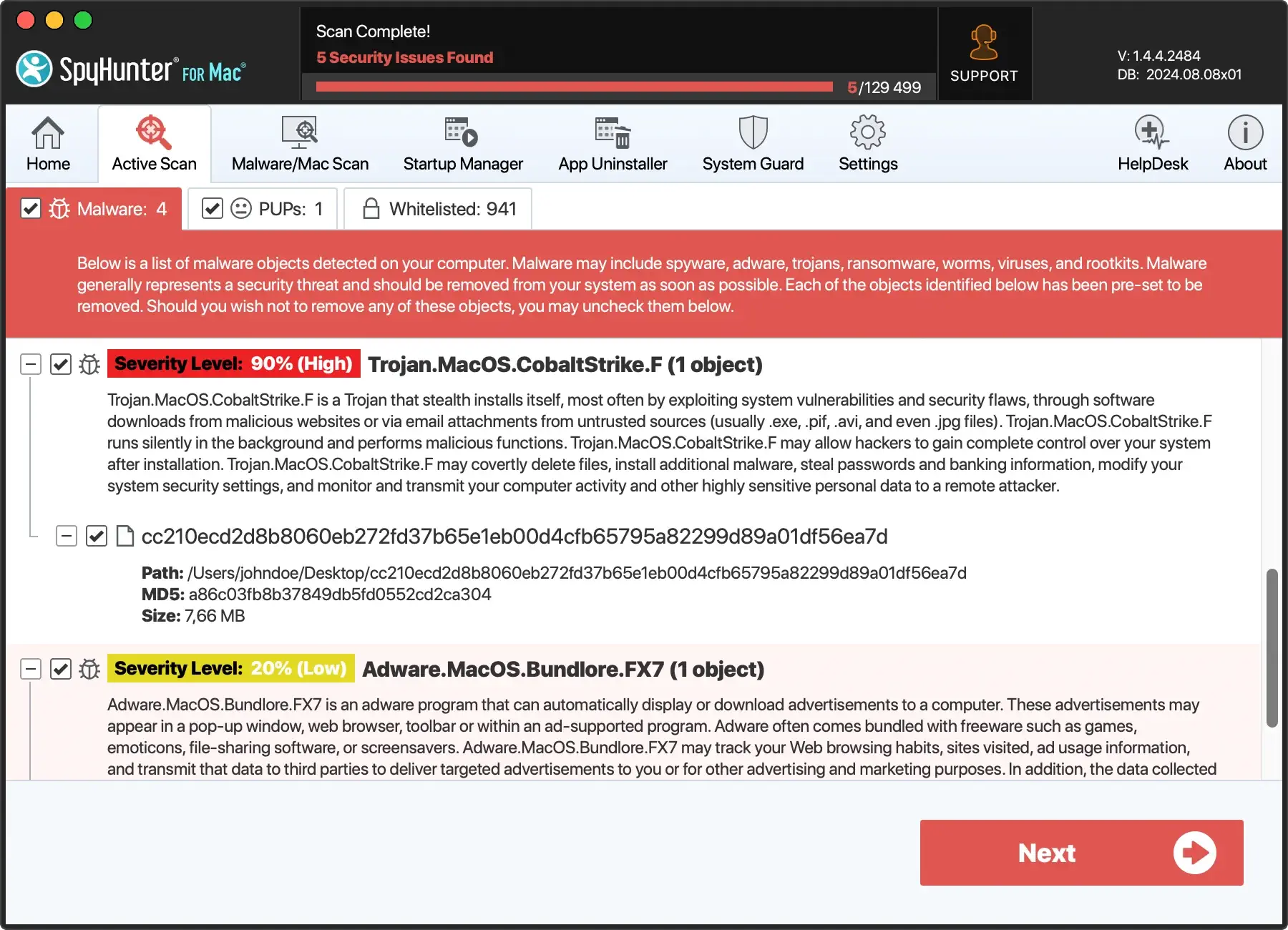
When the scan finishes, you will see a list of all detected threats and potentially unwanted apps on your Mac.
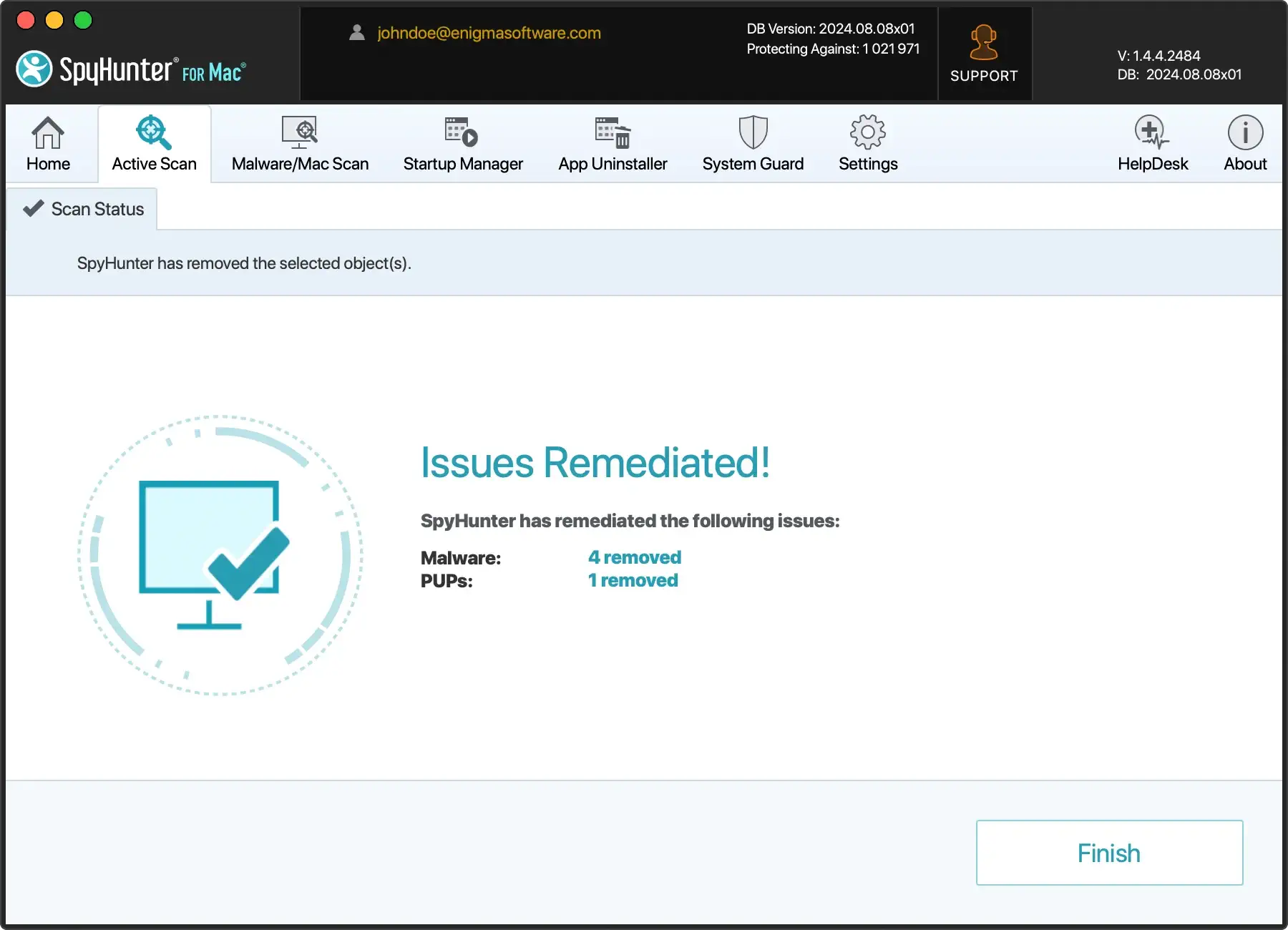
Use the app’s interface to proceed with their removal and enjoy a smoother, safer user experience on your computer.
Expert tips on general Mac troubleshooting
When it comes to general Mac troubleshooting, here are some expert tips that can save you time and frustration:
- Regular maintenance: Keep your Mac updated with the latest operating system updates, as they often contain fixes for common bugs and improvements to system stability.
- Backup your data: Regular backups can prevent the loss of important data. Use
Time Machineor another backup solution to keep a copy of your essential files. - Use Disk Utility: This built-in tool can solve various disk-related problems and is particularly useful for repairing permissions and verifying the disk’s integrity.
- Manage startup items: Too many applications launching at startup can slow down your Mac. Manage these items through
System Preferencesto improve boot time. - Seek professional help: If problems persist, consider taking your Mac to a certified Apple technician who can diagnose and resolve issues that are not easily fixable at home.
Knowing where to look for help and how to apply basic troubleshooting steps can significantly enhance your experience and productivity when using your Mac.
