

How To Remove SSOption Adware On Mac (Quick Guide)

Before we dive in
Before we dive in, let's make sure you stay safe online. We created SpyHunter because your security matters to us.
Protect your computer today — download SpyHunter right here! Check out our top tips below to keep your computer safe and secure.

Ever noticed your computer slowing down or bombarded by unwanted ads and your browser settings mysteriously altered?
You might be dealing with SSOption adware. It’s not just annoying; it can expose you to security risks and decrease your computer’s performance.
In this article, we’ll walk you through the signs of SSOption infection, explain how this stubborn adware can sneak into your system, and offer a step-by-step guide on removing it for good.
What exactly is SSOption adware?
SSOption is classified as adware, a form of potentially unwanted software that infiltrates computer systems predominantly through bundled software installations.
Once it installs on your system, SSOption exhibits several intrusive behaviors, primarily revolving around your web browsers like Google Chrome, Mozilla Firefox, or Internet Explorer.
The adware embeds itself deeply within the browser settings, manipulating your homepage, default search engine, and new tab settings without your consent.
Typically, this adware redirects your searches to its promoted outcomes, pushing unwanted advertisements and flooding your browsing experience with pop-ups and banners.
This not only disrupts browsing but can also slow down your computer and expose you to potentially malicious content. Its persistence and the difficulty in removing it from the system settings underscore its invasive nature.
How can you tell if your device is affected by SSOption?
Identifying whether SSOption adware has infiltrated your device can be discerned from several telltale signs.
Firstly, keep an eye out for unusual advertisements during your browsing sessions. If you encounter ads labeled “advertisements by SSOption” or “Ads powered by SSOption,” there’s a strong likelihood that adware has taken root in your system.
Additionally, you may notice unexpected behavior in your web browser:
- Links appearing hyperlinked that should not be.
- Banner ads popping up on typically ad-free websites.
- A general slowdown in your computer’s performance, particularly noticeable with Macs exhibiting the spinning beach ball indicator more frequently.
Another red flag involves finding new applications or browser extensions that you don’t recall installing. These are often silently added without your explicit permission as part of the adware’s functionality.
If your browser’s homepage or default search engine changes mysteriously, particularly switching to something like Yahoo without your input, this is yet another indicator of SSOption’s presence.
Remove SSOption by using SpyHunter
You can deal with adware like SSOption very quickly and efficiently by using a dedicated anti-malware tool such as SpyHunter.
SpyHunter has been built with safety in mind and can detect and clean malicious apps and files from your Mac. The thorough cleanup process includes leftover files.
- Download the app here and install it on your Mac.
- Run a full system scan from the SpyHunter main menu.
- Once the scan is done, make sure all potential threats found are marked for cleanup.
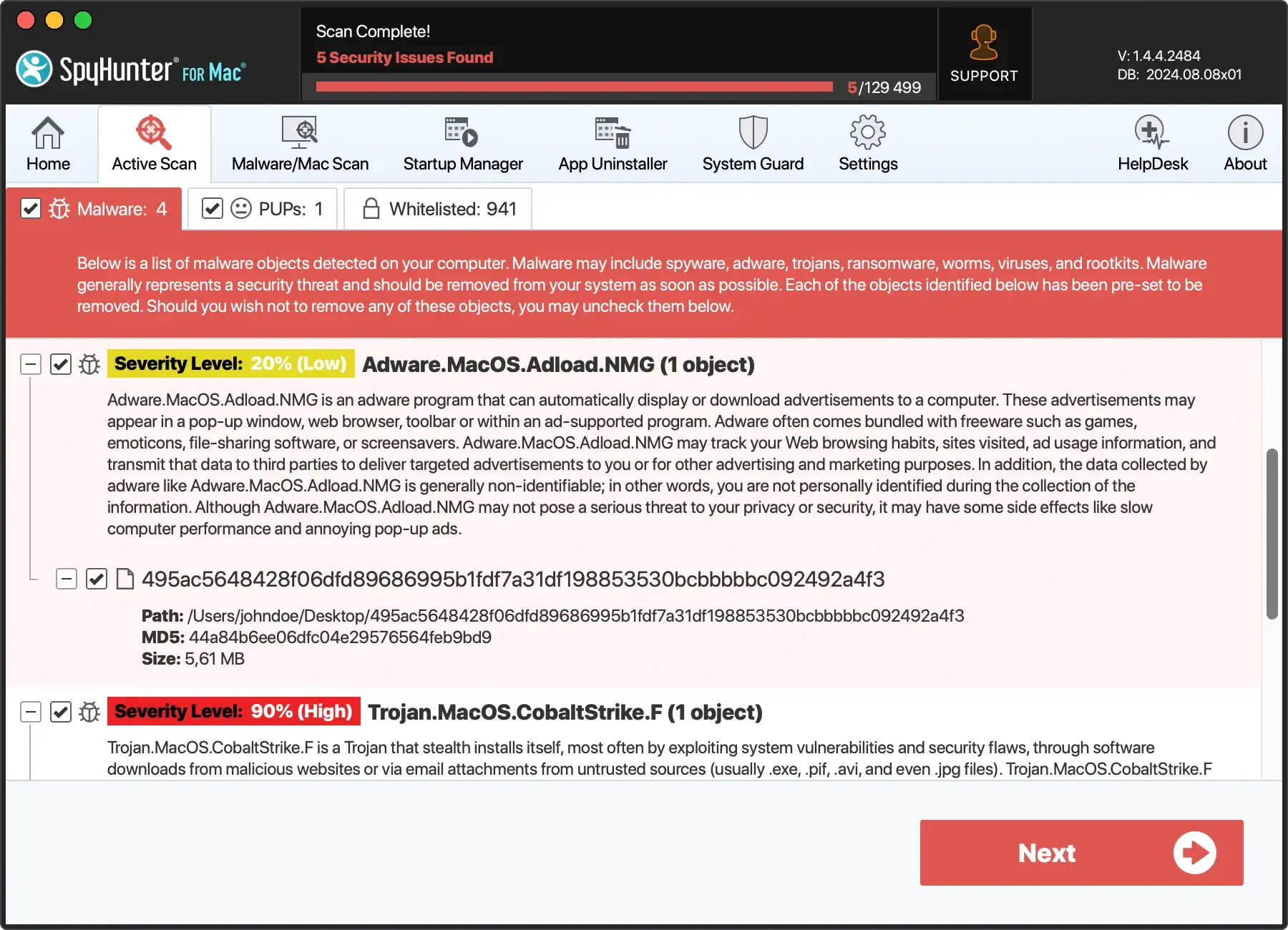
- Proceed with the automated malware cleanup process and enjoy a safer system.
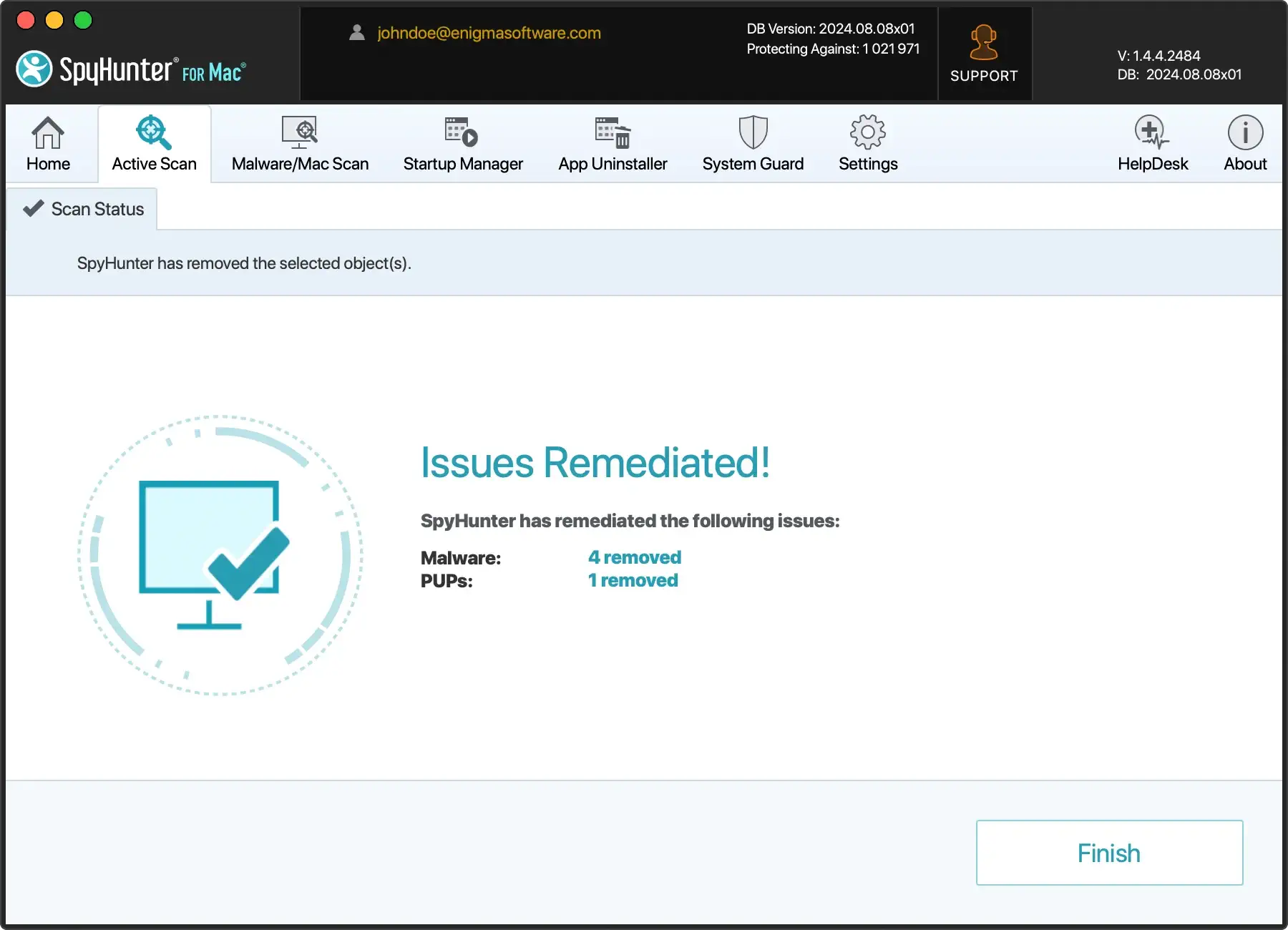
Step-by-step guide to manually remove SSOption from your Mac
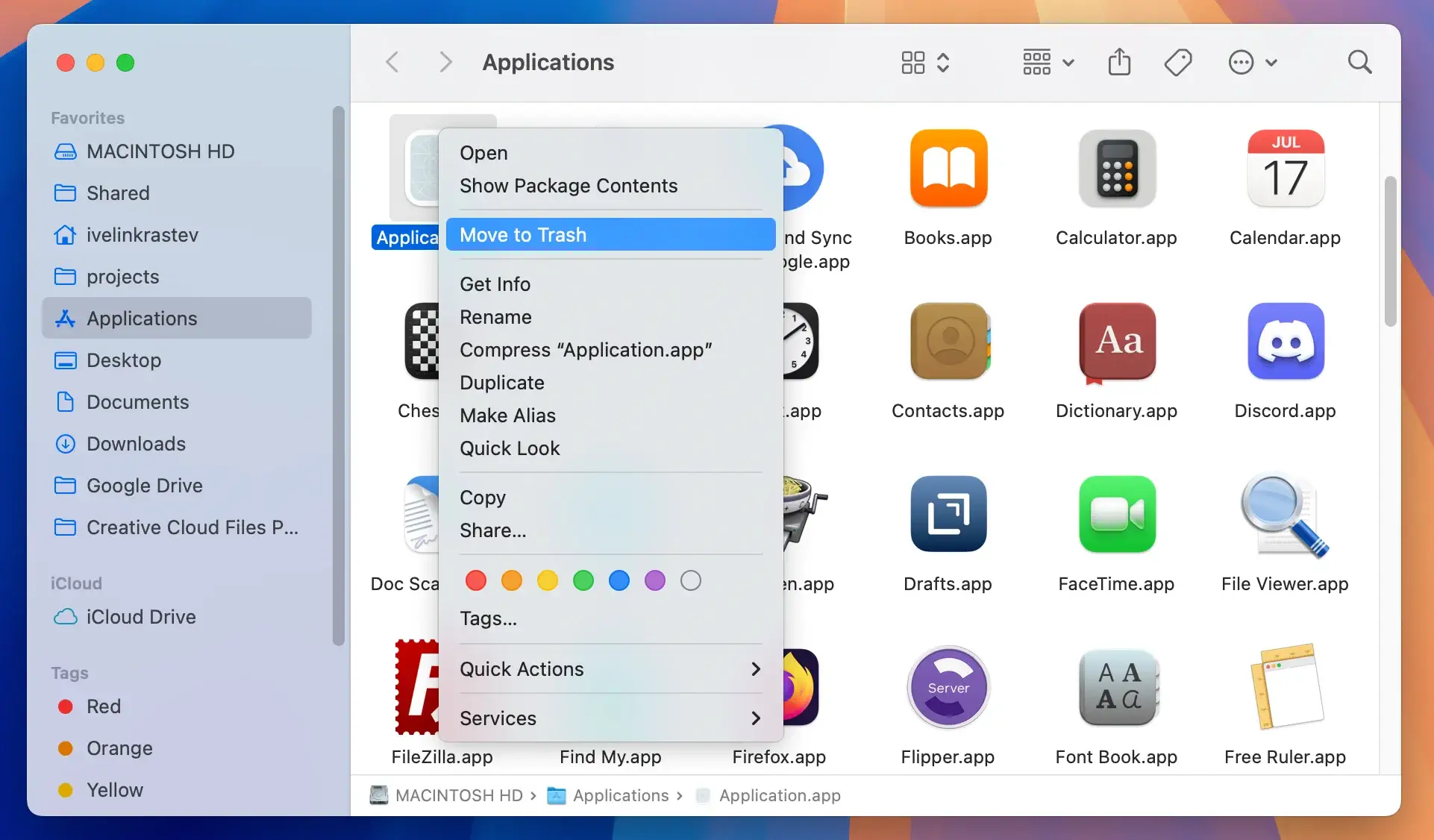
Step 1: Remove SSOption from Applications
- Open
Finderand go toApplications. - Look for SSOption or other suspicious apps in the folder.
- Right-click on them and select
Move to Trash. - Go to
Trashand empty it to fully delete the application.
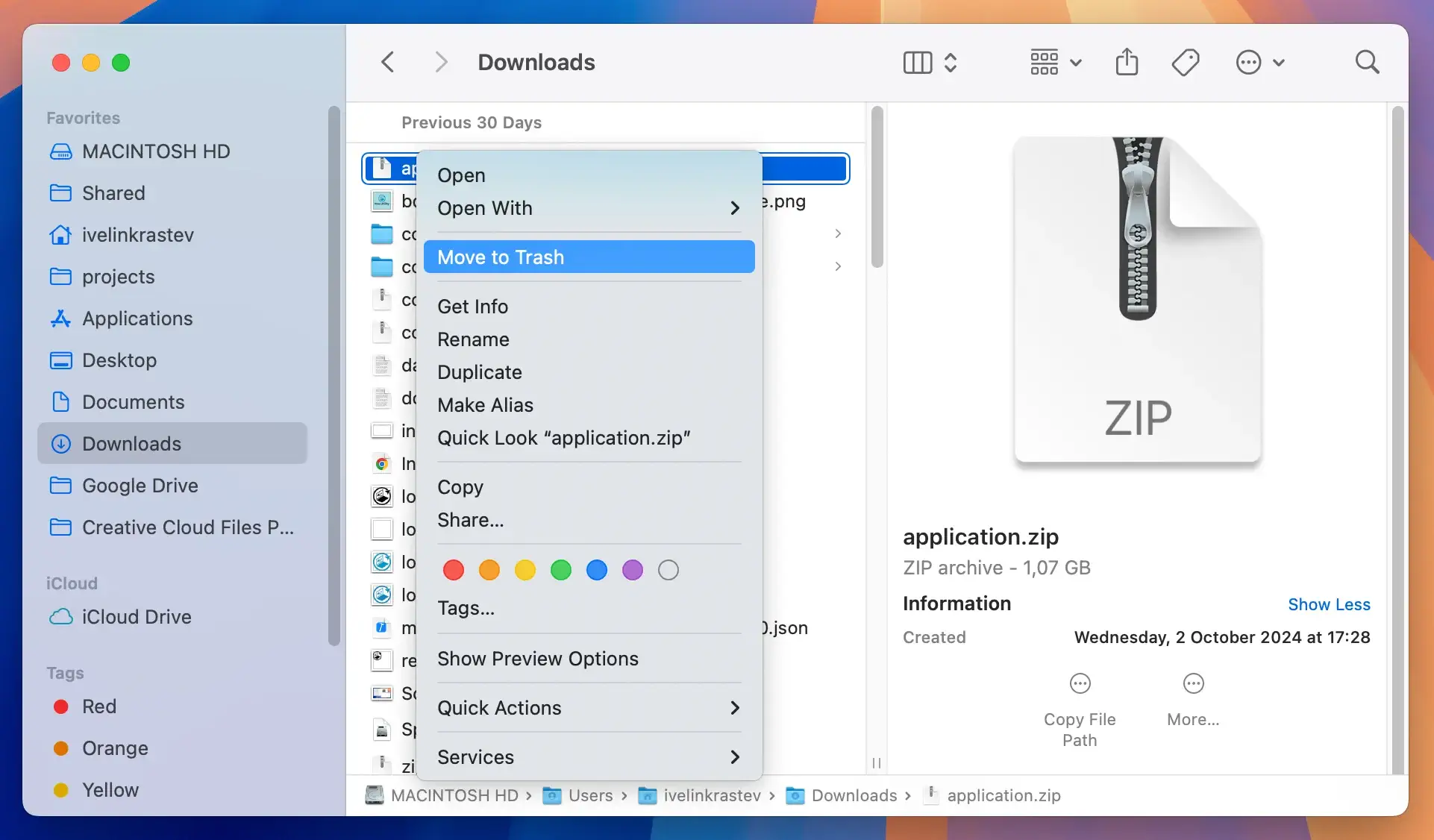
Step 2: Remove leftover files related to SSOption
- In
Finder, click onGoin the top menu and selectGo to Folder. - Type in the following locations one by one, and delete any files or folders related to SSOption:
/Library/Application Support/Library/LaunchAgents/Library/LaunchDaemons~/Library/Application Support~/Library/Caches
- After deleting these files, restart your Mac to ensure all changes are applied.
Step 3: Clear browser from unwanted extensions linked to SSOption
For Safari:
- Open Safari and go to
Safari > Preferences. - Navigate to the
Extensionstab. - Look for any extensions related to SSOption and click
Uninstall. - Restart Safari to make sure the changes take effect.
For Chrome:
- Open Chrome and go to
chrome://extensionsin the address bar. - Review the extensions and remove any that are related to SSOption by clicking
Remove. - Clear Chrome’s cache after pasting this in your address bar:
chrome://settings/clearBrowserData. - Restart Chrome to confirm the removal of unwanted extensions.
Preventing future adware infections
To guard against adware, proactive measures are essential. By understanding the common entry points and tactics used by adware, you can significantly reduce the likelihood of infection.
Here are several effective strategies:
- Install reputable security software: Tools like SpyHunter not only detect and remove existing threats but also offer real-time protection against incoming threats.
- Regular system and application updates: Keep your operating system and applications updated to close security gaps that could be exploited by adware.
- Download software from official sources: Avoid third-party sites that often bundle legitimate software with potentially unwanted programs (PUPs).
- Opt for custom installation: When installing new software, select the ‘Custom’ or ‘Advanced’ installation options. This allows you to deselect any additional software that may be bundled with the primary program.
Safe browsing habits to reduce adware risks
Safe browsing is crucial in minimizing the risk of adware infections. Here are tips to enhance your browsing safety:
- Use secure and reputable websites: Stick to well-known websites with secure connections (https as opposed to http) to reduce the risk of adware.
- Avoid clicking on suspicious links: Whether in emails or on websites, refrain from clicking on links that look unusual or come from unknown sources.
- Enable pop-up blockers: Most modern browsers allow you to block pop-ups, which are often used to spread adware.
- Maintain privacy settings: Regularly check your browser and social media settings to ensure they prioritize your privacy and security.
