

Remove Safari Browser Redirect Virus From Mac (2025 Guide)

Before we dive in
Before we dive in, let's make sure you stay safe online. We created SpyHunter because your security matters to us.
Protect your computer today — download SpyHunter right here! Check out our top tips below to keep your computer safe and secure.

The Safari Browser Redirect Virus is a common yet frustrating issue affecting many Mac users. It leads to unwanted redirects, pop-up ads, and potential security risks during online sessions.
This type of malware manipulates Safari’s settings without user consent, redirecting to dubious websites or displaying intrusive advertisements.
This guide aims to provide a comprehensive overview of the Safari Browser Redirect Virus, exploring its symptoms, how it infiltrates computers, and, most importantly, practical strategies for removal and prevention.
Understanding how to tackle this issue is crucial for maintaining a secure and smooth browsing experience on Safari. Let’s dive in:
What is Safari browser redirect malware on Mac?
Browser redirection malware on Mac, notably impacting Safari, has become a significant issue that alters the usual browsing experience and directs users towards unexpected or unauthorized destinations.
Apple users experience unwarranted navigation to different websites, typically for ad revenue generation or phishing purposes.
This type of malware alters key browser settings, such as the default search engine, homepage, and even the new tab preference, thus redirecting the user to various unintended and potentially malicious sites.
Typically, similar unwanted webpage redirects are caused by malware known as browser hijackers.
What is a browser hijacker?
A browser hijacker is a type of malware that alters a web browser’s settings without the user’s consent.
Its primary purpose is to redirect users to unwanted websites, often laden with ads or malicious content, to generate revenue for the hijacker’s maker. It typically changes the default search engine, homepage, and new tab page, making it difficult for users to revert these settings.
Browser hijackers can also track browsing habits, collect personal information, and degrade overall browser performance. They often infiltrate systems through bundled software downloads, misleading ads, or malicious websites, posing significant privacy and security risks.
Browser hijackers can affect any browser you use, whether it is Safari, Mozilla Firefox, Microsoft Edge or Google Chrome.
The mechanics of Safari redirect viruses and their impact
Safari redirect viruses function by modifying the internal configurations of the browser.
They discreetly tamper with Safari’s settings, changing the default search engine, homepage, or new tab page to route users through unwanted websites.
This unauthorized rerouting serves the attackers’ aim of monetizing their traffic through adware networks or boosting the SEO of certain web pages by illegitimate means.
Furthermore, the intrusive changes hinder the browsing experience and can even pose additional security risks, as redirected sites might host various scams or malware downloads.
Signs of browser redirection malware in Safari
Signs of browser redirection malware in Safari include:
- Changes to the browser’s start page or search engine without your consent.
- An increase in ads, including pop-ups and banners, disrupts your browsing experience.
- Poor browser performance, with pages loading slowly or not at all.
- Relentless pop-up advertisements, often employing scare tactics with fake virus alerts.
- Inability to modify browser settings, possibly due to malicious configuration profiles or policies locking them.
Recognizing these signs early is crucial for promptly removing the malware and restoring your browser’s standard functionality.
Common types and sources of Safari redirect malware
Safari users on Mac can fall prey to various browser redirection viruses, each with unique traits and distribution methods.
Our research team found the typical Bing and Yahoo redirect viruses peculiar because they lead to legitimate search providers.
These viruses are often part of a more extensive campaign involving a network of affiliated services, such as certain notorious ‘accomplice’ websites.
Despite their ultimate legitimate destination, the path they force users through can involve interactions with fraudulent ad networks and underhanded monetization tactics.
Other forms of redirect malware may present users with deceptive warnings, such as fake virus alerts or spurious search services.
Differentiating between adware and malware in browser redirections
It is crucial to distinguish between adware and malware when dealing with browser redirections. While both can disrupt the online experience, their intent and potential harm vary.
Adware generally aims to generate revenue by displaying ads, typically without causing direct harm to the system.
On the other hand, malware, such as browser redirect viruses, may have more malicious objectives, including stealing personal information, facilitating further infections, and causing a more profound system compromise.
Recognizing these differences can aid Mac users in understanding the severity of their situation and determining the appropriate measures for removal and protection.
Step-by-step instructions to remove Safari redirect virus
Removing the Safari browser redirect virus requires a systematic approach to ensure your browser is cleared of malicious software and restored to its optimal state.
Follow these step-by-step instructions to effectively eliminate the virus, safeguard your browsing experience, and protect your Mac from future infections.
Step 1: Delete malicious configuration profiles
Malicious profiles can alter Safari’s settings to perpetuate browser redirections.
To eradicate these configurations, open System Preferences (named System Settings on newer macOS versions) from the Apple menu. After that, locate the Profiles section and select it.
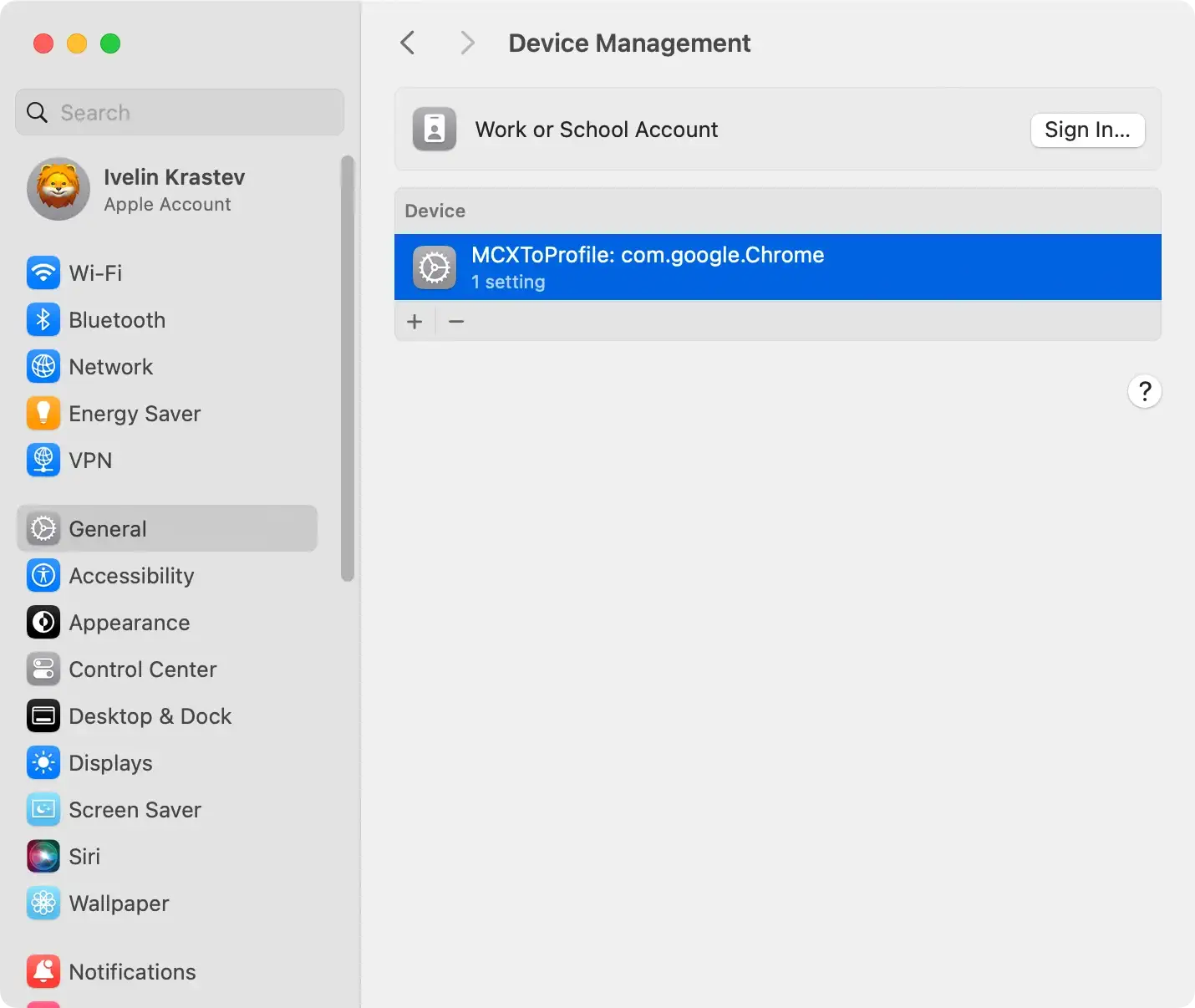
This area will list all installed profiles, where you can look for and remove any profiles you did not authorize or are associated with known adware or malware.
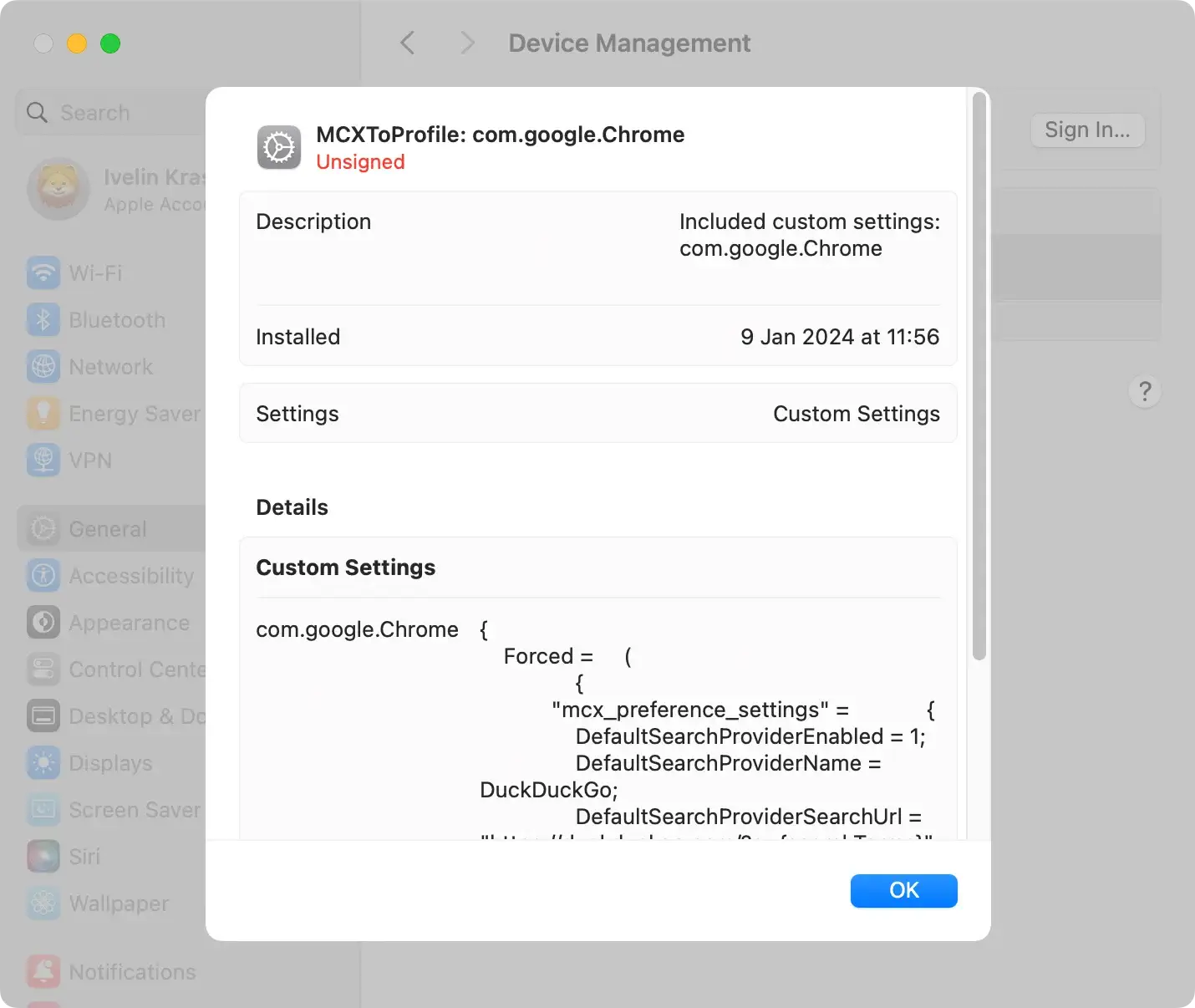
These profiles may carry names unrelated to any genuine software or service you use. Removing them by clicking the minus sign is imperative to stop them from influencing browser behavior.
Step 2: Remove browser redirection extensions from Safari
The second line of defense against Safari redirection malware is the removal of suspicious browser extensions. To accomplish this task:
- Open Safari Preferences: Start by opening Safari. When the browser has fully loaded, click on the Safari menu in the menu bar, then select
Preferencesfrom the drop-down. - Navigate to Extensions: In the preferences window, click the
Extensionstab to view all installed extensions. - Identify and Remove Suspicious Extensions: Look through the list for any extensions you don’t recognize or were installed without your knowledge. Select these extensions and choose the option to uninstall them.
- Confirm Removal: You may be prompted to confirm the uninstallation. Proceed to remove the extensions to help clear your browser of any redirection malware.
- Review and Clean: After removing suspicious extensions, review the remaining ones. Remember, Safari can function without extensions, so consider removing any that aren’t essential to minimize the risk of future infections.
Following these steps will help remove unwanted or malicious extensions, a crucial step in eliminating the Safari browser redirect virus and securing your browsing experience.
Step 3: Clean up Safari’s configuration to eliminate redirections
After removing shady extensions and profiles, restoring Safari’s settings is vital to eliminating redirections.
- Enable the Develop Menu: Open Safari and go to
Safari > Preferencesin the menu bar. Click on theAdvancedtab and check the box at the bottom that saysShow Develop menu in menu bar. - Clear Browser Cache: With the Develop menu enabled, click
Developin the Safari menu bar, then locate and click the option to empty the caches. - Expunge Browsing History: Go to the
Historymenu on the Safari menu bar and selectClear History. Choose the time range to clear, ideally “all history,” to ensure a thorough cleanup. - Manage Website Data: Return to
Safari > Preferences, selecting thePrivacytab. Click onManage Website Dataand thenRemove Allto purge stored data that could contribute to unwanted redirections.
By methodically following these steps to clean up Safari’s configuration, you effectively eliminate the factors causing redirections, restoring the browser to its optimal, secure state.
Step 4: Run a full antivirus scan on your Mac
For those seeking a more straightforward and comprehensive solution to eliminate Safari redirect viruses and other malware, SpyHunter for Mac is a practical automatic removal tool.
This advanced anti-malware application is designed specifically for macOS, providing a robust defense against various threats.
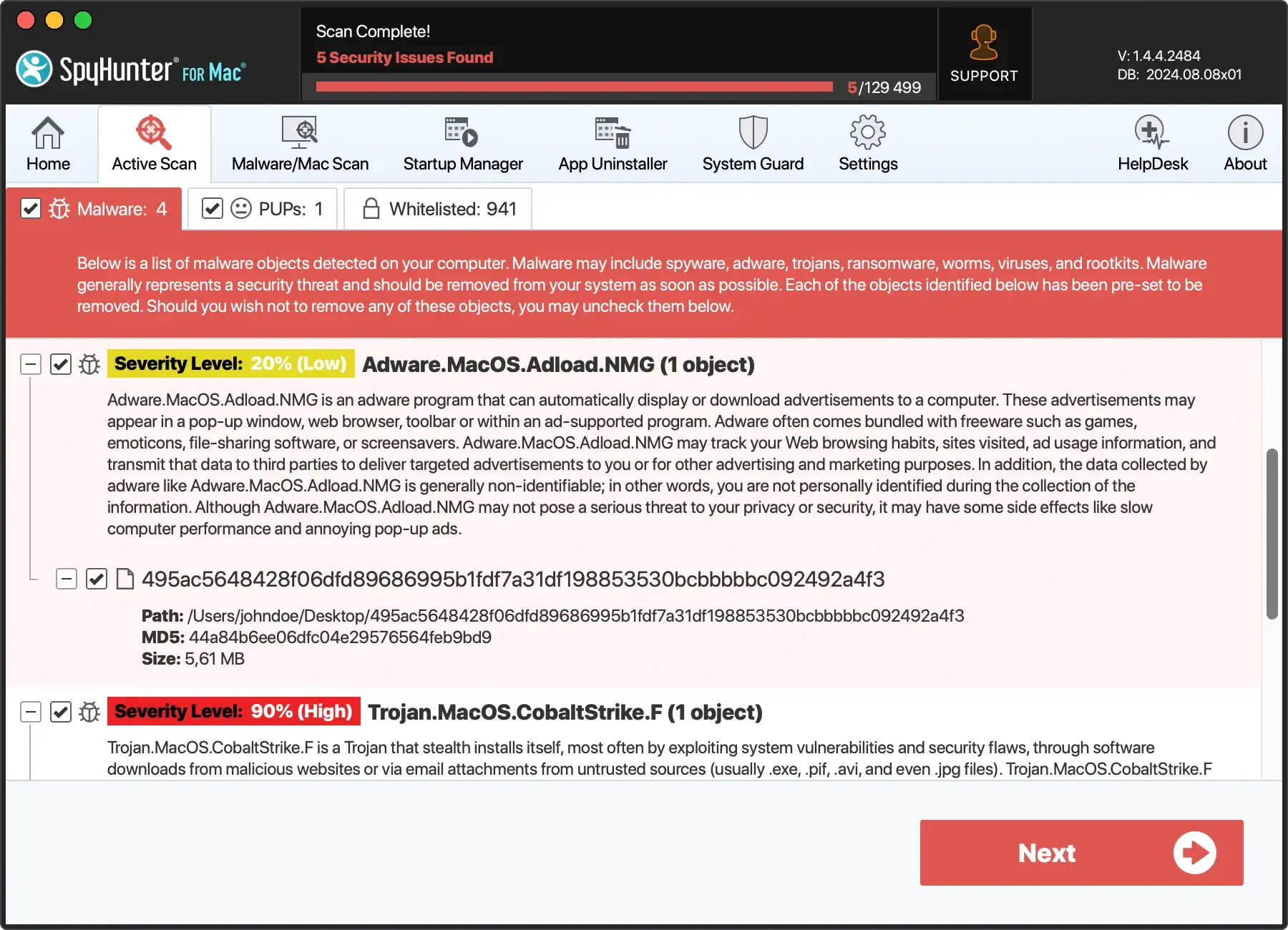
Key features of SpyHunter for Mac:
- Comprehensive Malware Detection: Utilizes advanced scanning technology to identify malware, including adware, browser hijackers, and other security threats.
- User-Friendly Interface: Designed with ease of use in mind, making it accessible for users of all technical levels.
- Regular Updates: Receives frequent updates to its malware database, ensuring protection against the latest threats.
- Custom Malware Fixes: Offers personalized assistance to handle unique malware issues tailored to your computer’s situation.
Download instructions:
- Download SpyHunter for free here to access the latest app version.
- Open the downloaded file and follow the on-screen instructions to install SpyHunter on your Mac.
- Launch SpyHunter and initiate a full system scan to detect the presence of the Safari redirect virus and other malicious software.
- SpyHunter will list all detected threats after the scan. Follow the prompts to remove them, effectively cleaning your system.
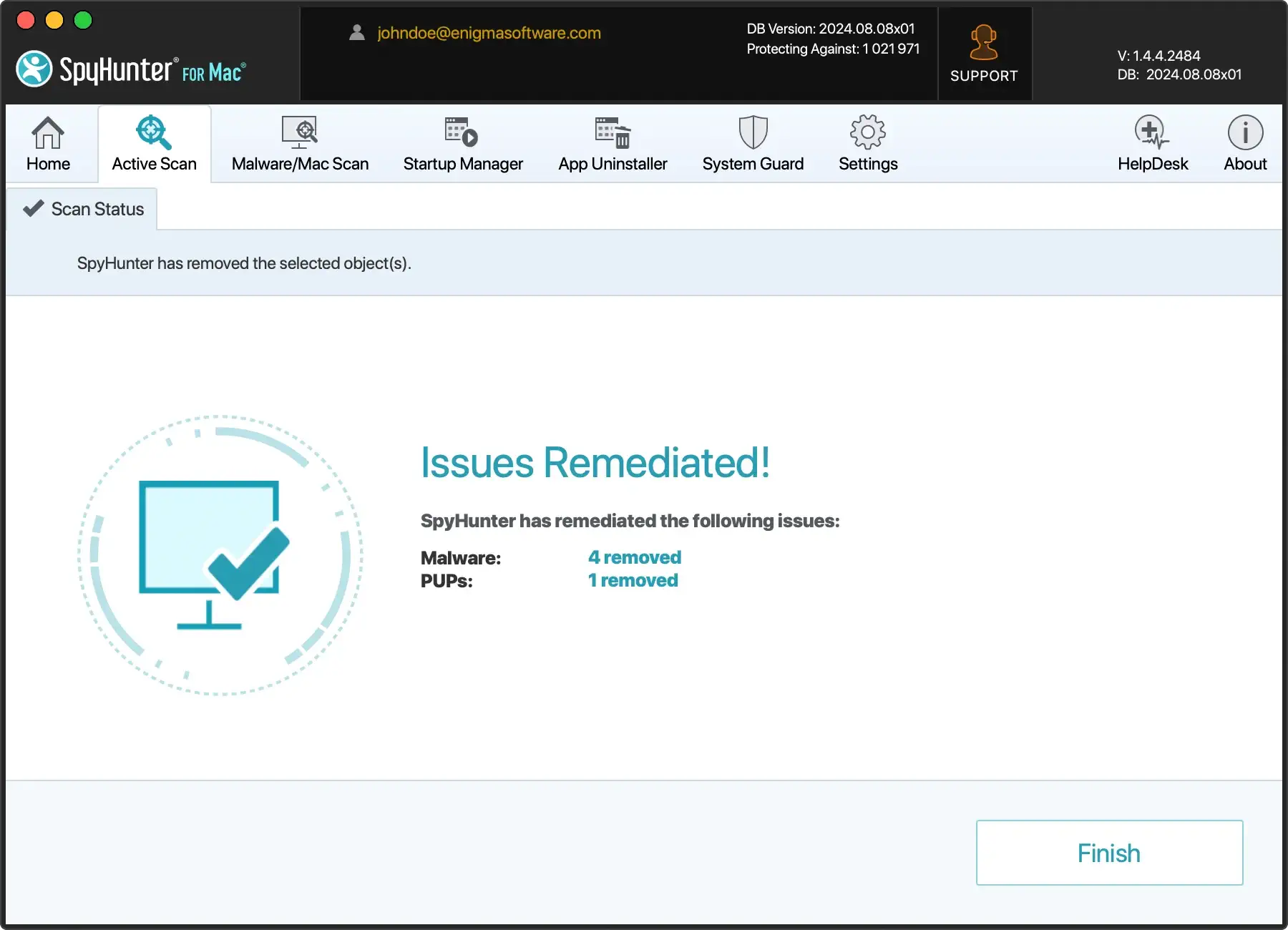
By opting for automatic removal with SpyHunter for Mac, you can thoroughly clean up your device, remove the Safari redirect virus, and enhance your overall cybersecurity posture with minimal effort.
Prevent future infections: Tips to protect Safari from malware
Adopting a proactive stance toward online security is essential to prevent future infections and safeguard your Safari browser from malware.
This involves vigilant practices, security software usage, and proper handling of browser add-ons and downloads.

You can significantly reduce the risk of accidental malware infections by being cautious with your online activities and regularly maintaining your browser’s safety settings.
Best practices for avoiding malware attacks and unwanted browser behavior
The best practices for avoiding malware and unwanted browser behavior revolve around adopting cautious browsing habits, keeping your browser and its extensions up to date, and paying attention to the sources of your downloads.
Here are some specific tips to consider:
- Regularly update Safari and other installed browsers to benefit from the latest security patches and features.
- Install browser extensions only from trusted sources and examine reviews and permissions before adding them.
- Avoid clicking on suspicious pop-up ads or unexpected alerts, which might be tactics for malware distribution.
- Only download software from reputable websites and pay close attention to installation prompts that might bundle unwanted applications.
- Use comprehensive security software that provides real-time protection and advanced scanning capabilities like SpyHunter for Mac.
- Be mindful of websites you visit, and look for HTTPS in the URL for a secure connection.
- Backup your important data regularly to another location or storage device to reduce the impact of a potential malware attack.
- Educate yourself on cybersecurity threats and remain vigilant against phishing or social engineering attempts.
Implementing these measures and staying informed about common online threats can significantly mitigate the risks associated with browser redirection malware and other cyber-attacks.
Conclusion: Keep Safari malware-free
To ensure a seamless and secure browsing experience in Safari, it is vital to remain vigilant against browser redirection malware and promptly address any signs of infection.
Regular monitoring of browser behavior, keeping software updated, and employing reliable security tools are critical components in maintaining a malware-free environment.
By following the steps for removing such malware, users can reclaim control over their Safari web browser and prevent future intrusions by malicious software.
