

Remove Ryderd From Your Mac (Step-By-Step Guide)

Before we dive in
Before we dive in, let's make sure you stay safe online. We created SpyHunter because your security matters to us.
Protect your computer today — download SpyHunter right here! Check out our top tips below to keep your computer safe and secure.

If your Safari browser has been acting abnormally, redirecting your searches to unfamiliar search engines or showing persistent popups – your Mac might be infected with Ryderd.
This browser hijacker is designed to promote specific websites by changing your browser’s settings, causing inconvenient redirects, and displaying intrusive advertisements.
This comprehensive guide delves into its characteristics, explores the potential risks it poses to your Mac, and provides step-by-step instructions to remove Ryderd effectively.
Identify the Ryderd adware
Ryderd adware may manifest through abnormal behavior in your Safari browser.
Watch out for automatic redirections to different search engines, difficulties opening pages due to multiple redirects, and the sudden appearance of notifications and popup windows.
These unpredictable events often indicate the influence of malicious files or scripts associated with the term “Ryder.”
Moreover, keep an eye on background processes related to pro-gambling activities, as they can serve as additional signs of this insidious software.
Unauthorized redirects in Safari
Ryderd, classified as a browser hijacker, can lead to unauthorized changes in your browser settings, causing significant disruptions to your normal browsing activities.
If you observe your Safari browser redirecting to Yahoo instead of Google without your consent, this is a clear signal of the browser hijacker’s interference.
Such redirects are not only a nuisance but also pose potential risks. Persistent alterations to your default search engine, with continuous redirection despite attempts to set a different preference (e.g., Google), further confirm the presence of the Ryderd adware.
Remove Ryderd from your Mac
Dealing with Ryderd adware requires a systematic approach to ensure complete eradication from your system.
The following steps will guide you on whether you prefer manual removal or a more convenient automated solution.
Opting for automatic removal with SpyHunter is recommended for those seeking a hassle-free and efficient solution.
This specialized tool offers advanced scanning capabilities to detect and eliminate Ryderd and its associated files, ensuring a thorough cleanup of your system.
Remove Ryderd from Applications
If you’ve identified the Ryderd adware on your Mac, the first step in the removal process is to uninstall the application from your system.
Follow these steps to ensure a clean removal:
- Open
Finderon your Mac and open theApplicationsdirectory from the sidebar. - Scroll through the list of installed applications. Identify any unwanted programs or suspicious files (i.e., Ryderd.gqa, Ryderd.system). Remember, Ryderd can disguise itself with different names.
- Right-click on Ryderd or the suspicious application. Choose
Move to Trashfrom the context menu. - Right-click on the Trash icon in the Dock. Select
Empty Trashto remove Ryderd permanently.
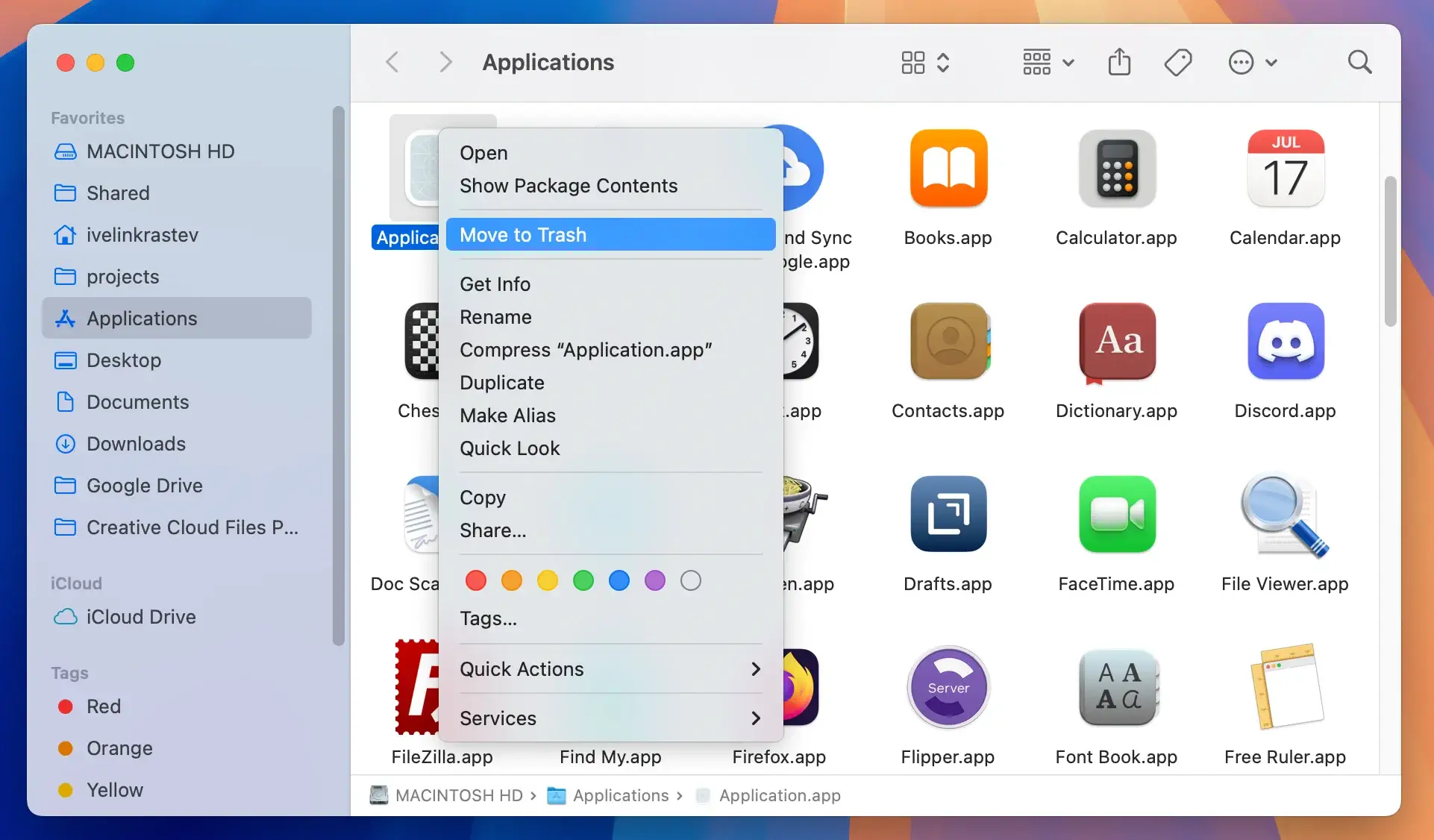
This process removes the application from your Mac, but it’s important to note that some related files may still linger on your system.
For a more thorough cleanup, proceed to the next steps. If you prefer a quicker and more comprehensive removal, consider using SpyHunter.
This automated tool can detect and remove Ryderd and its remnants from your Mac (Download SpyHunter for free here).
Remove Ryderd-related files and folders
To thoroughly remove Ryderd from your Mac, it’s necessary to delete all “Ryder” related files from specific system folders.
These potentially harmful files have been associated with various issues, including browser redirection and unwanted popup windows.
Such files are commonly found in Library folders like
LaunchDaemonsLaunchAgentsApplication SupportStartup Items
Be careful while dealing with system files and folders. Moving or deleting the wrong files might cause issues with your Mac.
If you need more clarification, it would be best to seek assistance from a technical support professional.
Follow these steps:
- Open the
Finderapp on your Mac and navigate each folder mentioned above individually. - Organize items to see the most recent ones, which can help identify recently installed suspicious files.
- Analyze the files in each folder and look for the following names related to the
Rydervirus:com.Ryderd.plistunknown.service.plistunknown.system.plistunknown.download.plistunknown.update.plist
- Drag all suspicious files to the trash and then empty the trash to eradicate Ryderd-related files.
Note: The term unknown is simply representative of the actual malware name. The attackers may use Ryderd or (random characters).plist as file names.
If you can’t find these specific files, look for any unfamiliar or suspicious entries, as these could also be responsible for the Ryderd presence on your Mac.
Adjust Safari settings
After removing suspicious applications and related files, it is essential to adjust the settings of your Safari browser.
This will help to eradicate the changes the Ryderd virus may have made and prevent it from reoccurring. Here is the whole process.
Remove unwanted notifications and popups
- Open Safari, go to the Safari Menu and click
Settings - Click
Websitesand selectNotifications - Delete all the listed notifications
- Find and click on the
Popup Windowsoption - Remove all unless specifically needed. Remember, unnecessary popups could be potential threats.
Set a preferred search engine and homepage
The Ryderd virus commonly alters your default search engine, steering your searches to unwanted websites. To revert this change:
- Open your Safari browser and go to the Safari menu in the upper left-hand corner, then select
Preferences - Under the
Generaltab, navigate to theDefault Search Enginesection - Select Google or any other valid search engine from the provided list
- Check the
New Windows Open Withfield; it should be set toHomepage - Remove Ryderd from the Homepage field. Replace it with your preferred URL to be set as your default homepage. The default homepage for Safari is usually
www.apple.com/startpage/
Check Safari extensions
Additionally, checking the extensions added to your Safari browser is vital. Unauthorized extensions may contain adware or spyware, presenting risks to your privacy and system integrity.
Follow these steps to check and remove any unwanted extensions:
- Go to Safari
Settings > Extensions - Select an extension and review its details and permissions
- If an extension is unknown or suspicious, click Uninstall to remove it
Automatically remove Ryderd with SpyHunter for Mac
For a hassle-free and thorough removal of the Ryderd adware, consider utilizing SpyHunter for Mac.
This powerful anti-malware tool is designed to detect and eliminate various threats, including adware, browser hijackers, and potentially unwanted programs.
Follow these steps to remove Ryderd from your Mac using SpyHunter automatically:
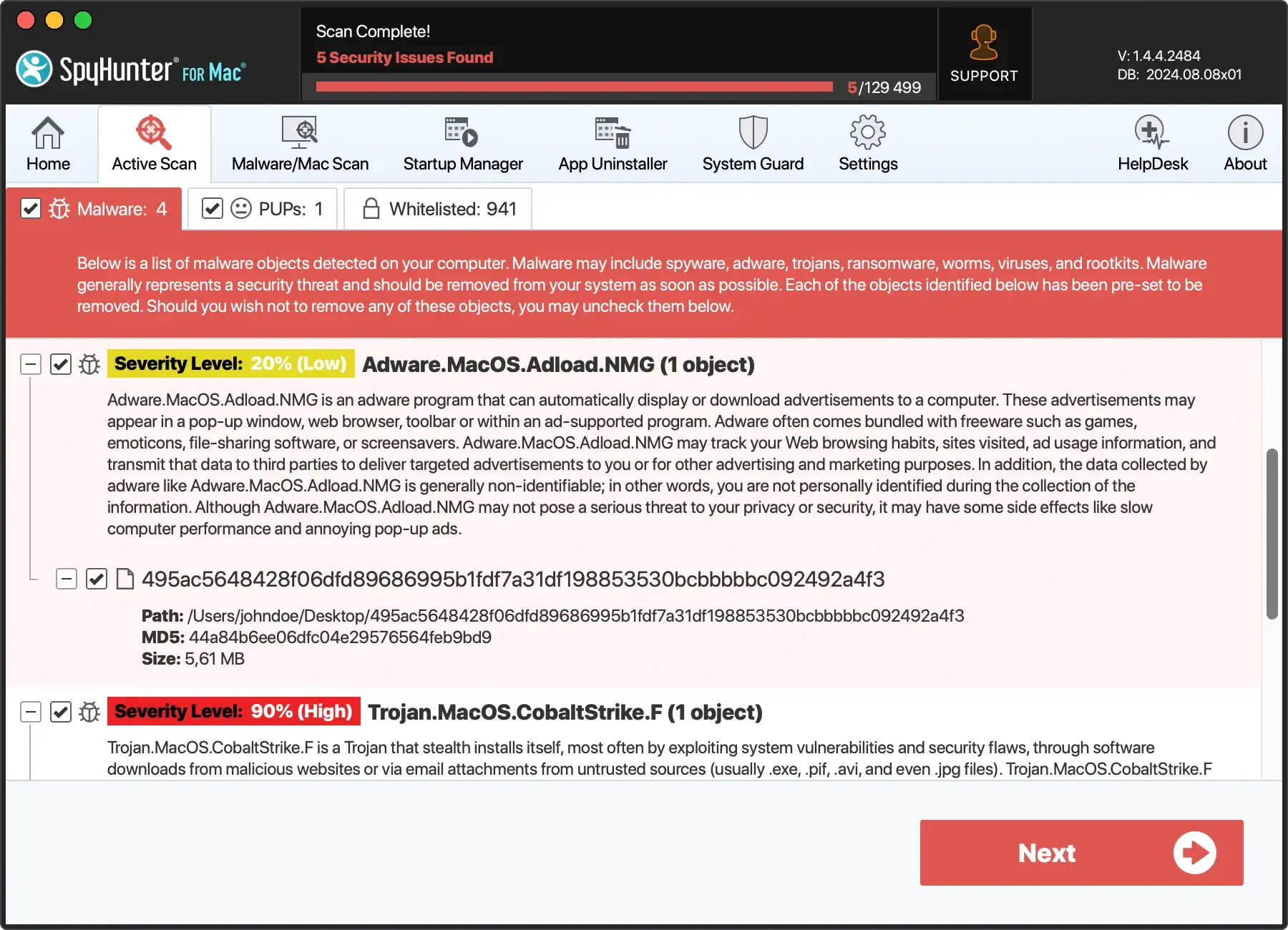
- Download SpyHunter from here
- Once the download is complete, open the installer. Follow the on-screen instructions to install SpyHunter on your Mac.
- Initiate a system scan to detect malicious files and applications.
- After the scan, review the results to identify Ryderd or any other threats.
- Follow the prompts to quarantine Ryderd from your Mac.
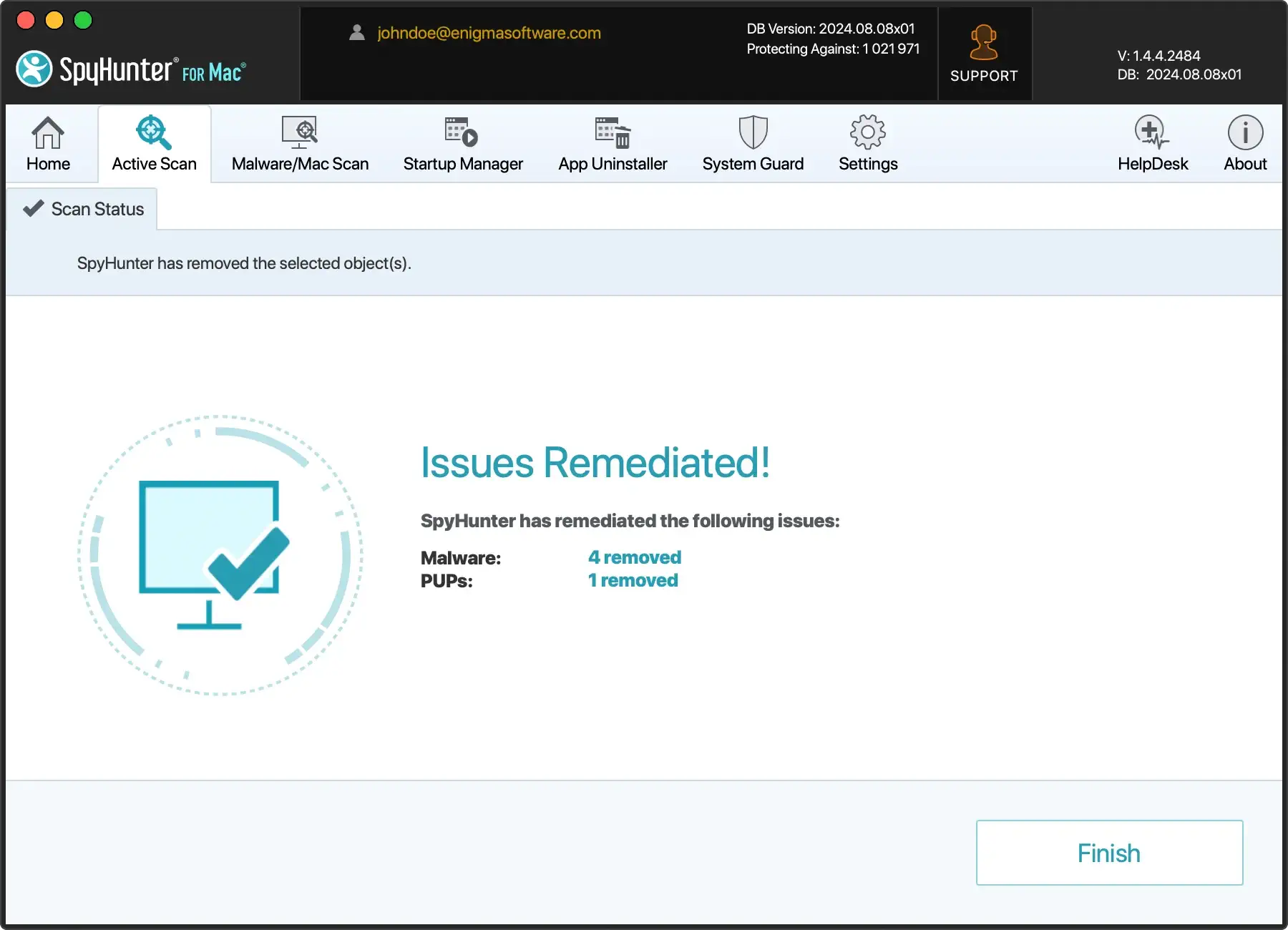
SpyHunter for Mac offers a user-friendly interface and robust scanning capabilities, making it a reliable choice for users seeking efficient and automated malware removal.
This tool ensures a comprehensive cleanup, eliminating Ryderd and safeguarding your Mac against potential threats.
Restart the device
After completing these steps, restart the Mac system. If done correctly, these steps will remove the Ryderd virus and restore your Safari browser’s settings, allowing you to surf the web without unwanted redirects and popups.
Tips to stay safe online
Staying secure online is imperative as the internet plays a crucial role in our daily routines. Given the presence of cyber threats and phishing attacks, proper precautions are critical to maintaining safety.
Here are essential tips to enhance your online security:
Make use of trustworthy antivirus software
Start by installing reputable antivirus and anti-malware software on your device.
SpyHunter and other similar programs provide real-time defense against online dangers. They offer robust protection from harmful software.
Maintain software updates
Update your installed apps, web browser, and operating system regularly. Security patches are often included in updates—these occasionally close security gaps and vulnerabilities.
Use caution when downloading
Download software and data only from reliable sources. Steer clear of downloading content that has been cracked or pirated, as these are common entry points for malware.
Be mindful of phishing
Please educate yourself on typical phishing scams and discover how to spot their telltale symptoms. Never click on dubious links; exercise caution when responding to unsolicited emails asking for personal information.
Make secure passwords
Make secure, one-of-a-kind passwords for your internet accounts. Combine special characters, numerals, and capital and lowercase letters. Think about utilizing a password manager to create and securely save your complex passwords.
Create regular backups
Perform regular backups of essential data to an external drive or a secure cloud service. In the event of a cyberattack, having recent backups serves as a safeguard against data loss.
