

Remove ConnectionCachefld From Mac (Works In 2025)

Before we dive in
Before we dive in, let's make sure you stay safe online. We created SpyHunter because your security matters to us.
Protect your computer today — download SpyHunter right here! Check out our top tips below to keep your computer safe and secure.

ConnectionCachefld is a type of software often mistaken as a virus due to its intrusive nature.
Despite not being a virus, this software may become troublesome due to its invasive advertisement activities and constant interference in web browsing experiences.
Read this comprehensive article to discover practical steps and strategies to remove ConnectionCachefld from your device.
ConnectionCachefld overview
ConnectionCachefld is a form of malware specifically engineered to infiltrate popular Mac-compatible browsers. It subtly modifies browser settings to launch its advertising onslaught.
Users frequently encounter the misleading “ConnectionCachefld will damage your computer” message, a hallmark of its presence designed to alarm and confuse.
Once embedded, it bombards the user with various online advertisements, including popups, banners, box messages, and in-text links, significantly disrupting the everyday browsing experience.
Implication of the Pay-Per-Click (PPC) Model
ConnectionCachefld for Mac operates on the PPC remuneration model, constantly striving to get users to click on as many ads as possible.
The more clicks it gathers, the higher the revenue the developers earn from the paid ads. This explains why many users feel forced to click on the ads, as they are often inconveniently placed.
ConnectionCachefld as a potentially unwanted application (PUP)
ConnectionCachefld is often classified as a potentially unwanted application due to its intrusive and unwelcome behavior.
Users are not allowed to opt out of the changes it makes to their browsers, and ConnectionCachefld usually prevents attempts to override these changes.
Despite not being a virus, the software does not render any apparent benefits to the user, justifying its classification.
Effects on browsers
ConnectionCachefld’s impact on your Mac extends into your web browsing experience, manifesting in several disruptive ways:
- Spontaneous Page Redirects: You might unexpectedly be redirected to different web pages while browsing.
- Unwanted Browser Additions: New toolbars and plug-ins could appear in your browser without your consent.
- Altered Browser Settings: Changes to your homepage and default search engine settings may occur.
To regain control over your web browser and ensure a smoother online experience, removing ConnectionCachefld from your computer is essential.
Potential risks associated with ConnectionCachefld
While ConnectionCachefld is not malicious code, it does expose users to potentially unsafe content.
The software does not incorporate any safety checks, so the websites it promotes might be shady or hazardous. Some advertised sites could be distributors for viruses like Trojans, ransomware, and others.
ConnectionCachefld methods of installation
ConnectionCachefld typically infiltrates systems through deceptive methods such as software bundling or misleading installation processes.
To safeguard your system, it’s essential to understand how it may be introduced and take preventive measures.
Inclusion in other software setups
One prevalent method employed by ConnectionCachefld is its inclusion in other software setups. Users often encounter this when downloading or installing desired software.
Unfortunately, the bundling of ConnectionCachefld with legitimate software can be obscured, leading users to authorize its installation unintentionally.
Vigilance during the software installation is crucial to identify and avoid these hidden additions.
Installation process and default settings
The installation process and the role of default settings play a significant part in the unwelcome introduction of ConnectionCachefld into a system.
Users may be prompted to download installers or open software downloaded from the internet; these prompts often indicate that they have to install an app from the internet.
By clicking “open,” the system can install the software, potentially including unwanted applications like ConnectionCachefld.
To protect your Mac, it is recommended to download software only from trusted, reputable sources and to review each step of the installation process carefully.
By staying informed about these installation methods, users can proactively protect their systems and minimize the risk of unintended installations, including the infiltration of ConnectionCachefld.
Remove ConnectionCachefld manually
There are primarily two methods to remove ConnectionCachefld from your Mac: manual and automatic.
While both ways aim to rid your system of unwanted software, they have requirements and effectiveness levels.
Manual removal: description, time requirement, and limitations
Removing ConnectionCachefld manually means carefully finding and erasing the malware from your system.
This task involves identifying and removing suspicious files, a process demanding meticulous attention to ensure no remnants of the threat remain.
Depending on the infection’s severity and your comfort level with navigating system files, this could take several hours.
However, manual removal comes with its challenges:
- Time-Consuming: The process requires a significant time investment, especially for those less experienced with system directories.
- Risk of Incomplete Removal: There’s a chance that not all components of ConnectionCachefld will be found and deleted, potentially allowing the malware to regenerate upon system restart.
- Potential System Damage: Incorrectly identifying and deleting system files can lead to unintended consequences, possibly affecting your Mac’s functionality.
Despite these drawbacks, manual removal can be effective if done cautiously and thoroughly, ensuring you check for all possible malware locations.
Delete malicious configuration profiles
ConnectionCachefld can generate harmful profiles on your system, allowing it to persist or regenerate even after uninstalling the malicious application.
Therefore, as an initial step, it is crucial to eliminate any dubious profiles linked to ConnectionCachefld. This action is a primary measure in disrupting its foothold on your system.
1. Navigate to the Apple menu in the top-left corner of your screen and choose System Preferences (named System Settings on newer macOS versions).
2. Within the newly opened window, search for the Profiles icon. If there is no Profiles icon, then there are no configuration profiles installed.
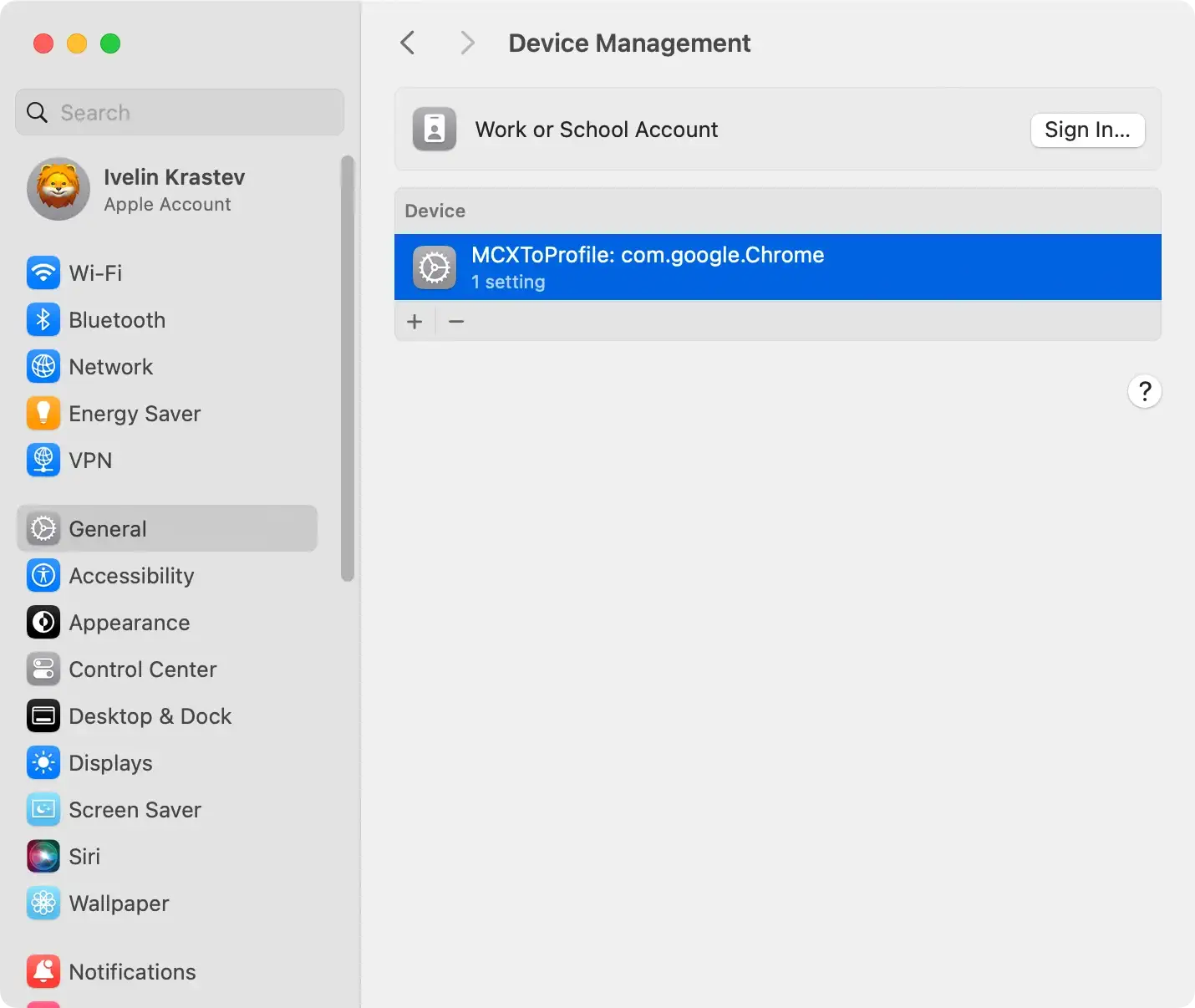
3. Carefully examine the list of installed profiles, identifying any that appear suspicious. Pay close attention to the profile names and the associated organizations, as these details may provide additional insights into whether the profile is connected to ConnectionCachefld.
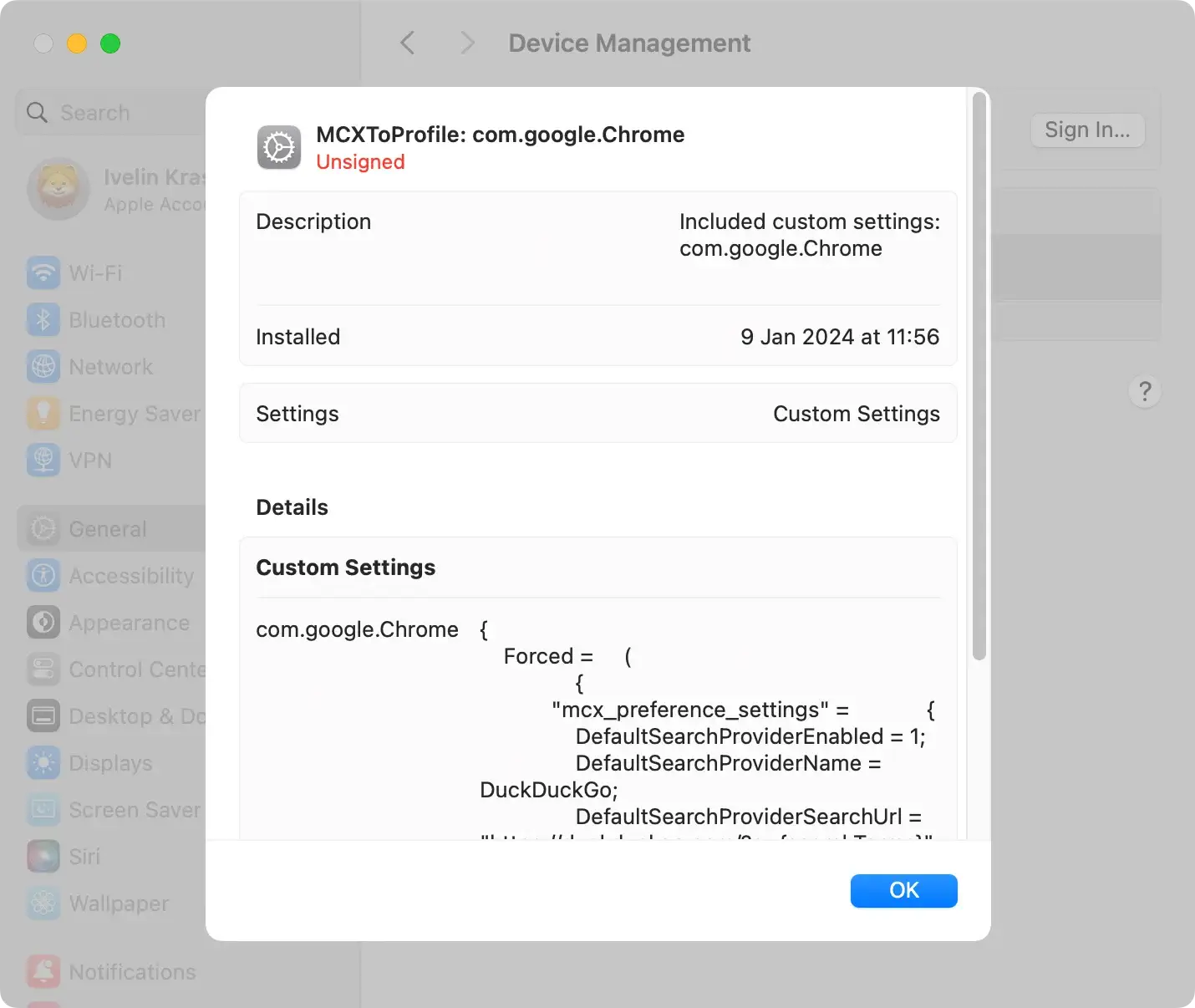
4. Select a profile and utilize the “Minus” (-) button to delete it.
5. Confirm your intention to remove the selected profile by providing the necessary authorization. This step is essential to eliminate potentially harmful profiles associated with ConnectionCachefld.
Remove ConnectionCachefld application and associated files
Adware like ConnectionCachefld typically integrates with seemingly legitimate software, camouflaging its activities.
Exercise caution and carefully monitor your system for any unfamiliar software or applications you cannot recall installing.
Upon identification, move them to the Trash/Bin and empty it to eliminate them from your system effectively.
To ensure the uninstallation takes full effect across the system, consider restarting your computer after this process.
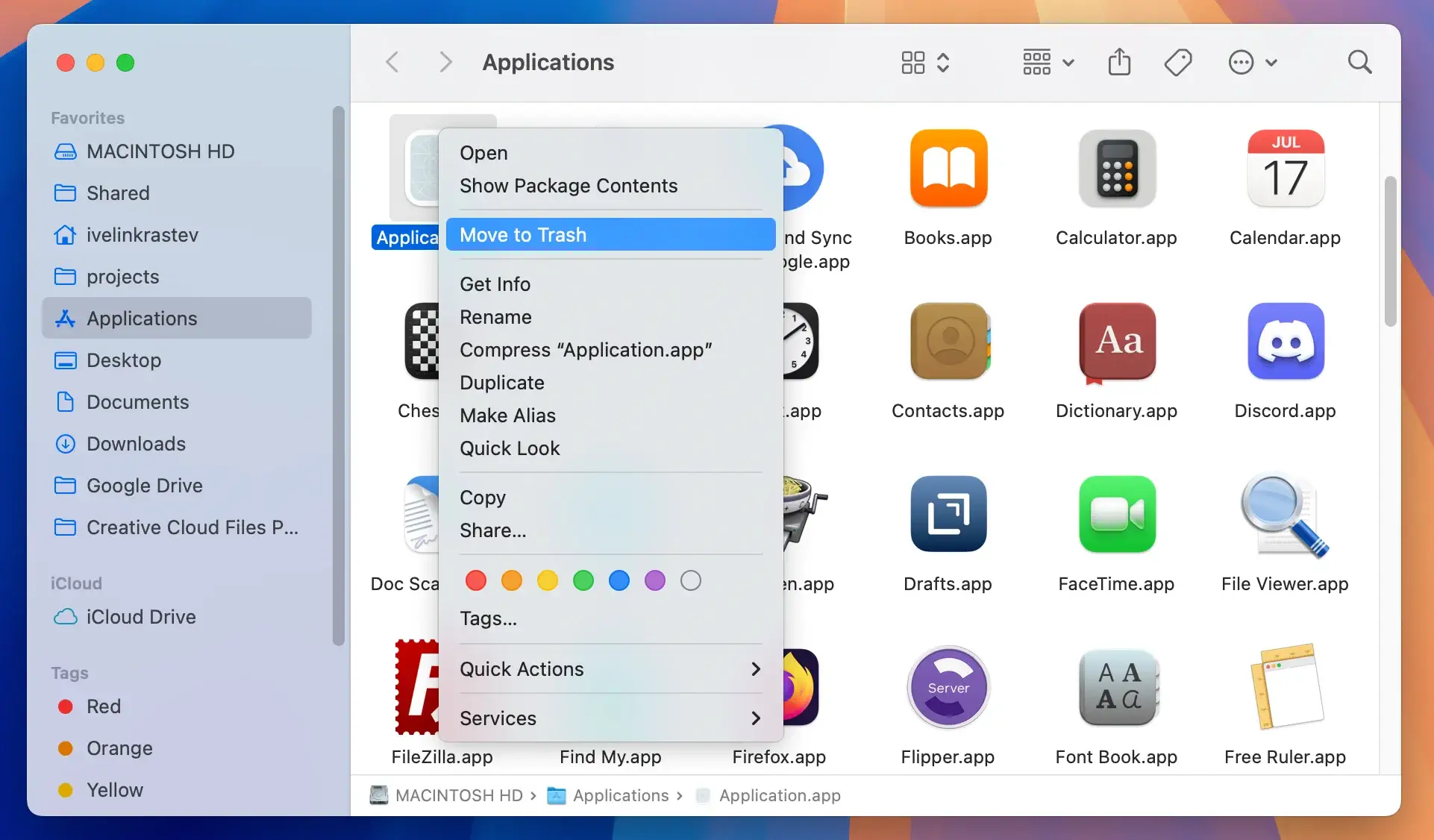
Follow these steps to locate and remove ConnectionCachefld-related files from your system:
- Open Terminal: Launch the Terminal application on your Mac. You can find it in the
Applications > Utilitiesfolder or with Spotlight. - Navigate to specific file paths: Use the following command to go to the /var directory:
cd /var
- Locate infected files: Explore the /var directory to find the /root/Library/Application Support/ConnectionCachefld/ConnectionCachefld file path using the following command:
cd "/root/Library/Application Support/ConnectionCachefld/"
- Remove ConnectionCachefld: Delete the ConnectionCachefld files in that folder.
Following these steps, you can effectively locate and remove ConnectionCachefld, thoroughly cleaning your system.
Please exercise caution while using Terminal commands to avoid unintended modifications.
Remove ConnectionCachefld automatically
Automatic removal, facilitated by dedicated anti-malware tools like SpyHunter for Mac, offers a streamlined and user-friendly approach to eliminating threats like ConnectionCachefld.
This method mainly benefits users needing advanced technical knowledge and prefer a quicker resolution.
Key Features of SpyHunter for Mac
- Efficiency and speed: SpyHunter for Mac streamlines the removal process, requiring minimal user intervention. Its automated scans swiftly identify and highlight malicious files associated with ConnectionCachefld.
- User-friendly interface: With an intuitive interface, SpyHunter ensures that users, regardless of their technical expertise, can navigate the tool effortlessly. The app’s simplicity makes it accessible to a broad range of users.
- Comprehensive scanning: SpyHunter’s advanced scanning algorithms thoroughly analyze your system, pinpointing the known traces of ConnectionCachefld and potential hidden or evolving threats.
- Real-time protection: Beyond removal, SpyHunter provides powerful system guards, actively preventing new infections and enhancing your system’s overall security.
Download and installation instructions
Follow these steps to download and install SpyHunter for Mac:
- Download SpyHunter for free here and follow the on-screen instructions to install the app on your Mac.
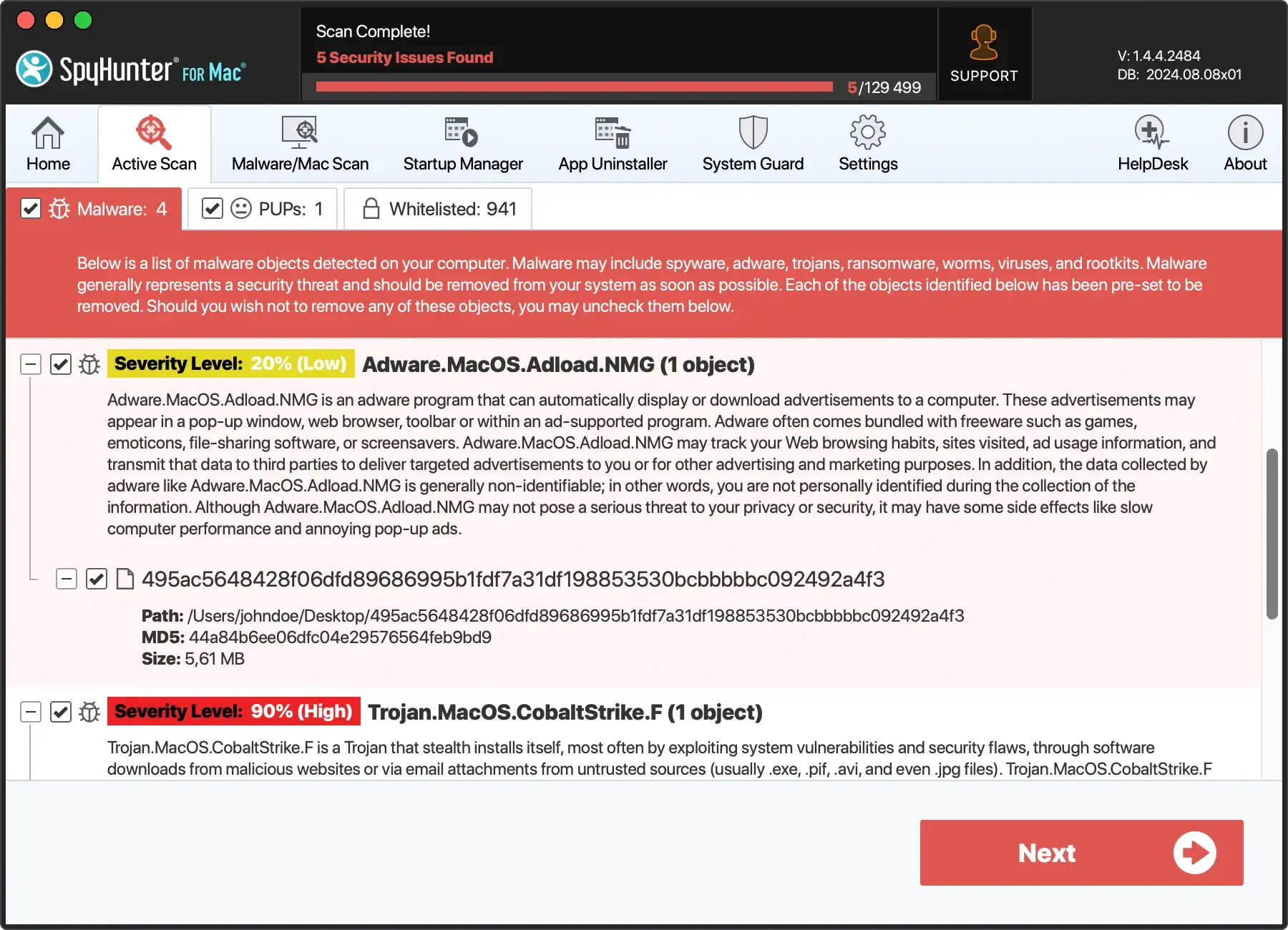
- After installation, SpyHunter will launch automatically, initiating a scan for potential threats, including ConnectionCachefld.
- Examine the scan results to identify malicious files related to ConnectionCachefld. You can allow SpyHunter to perform automatic removal.
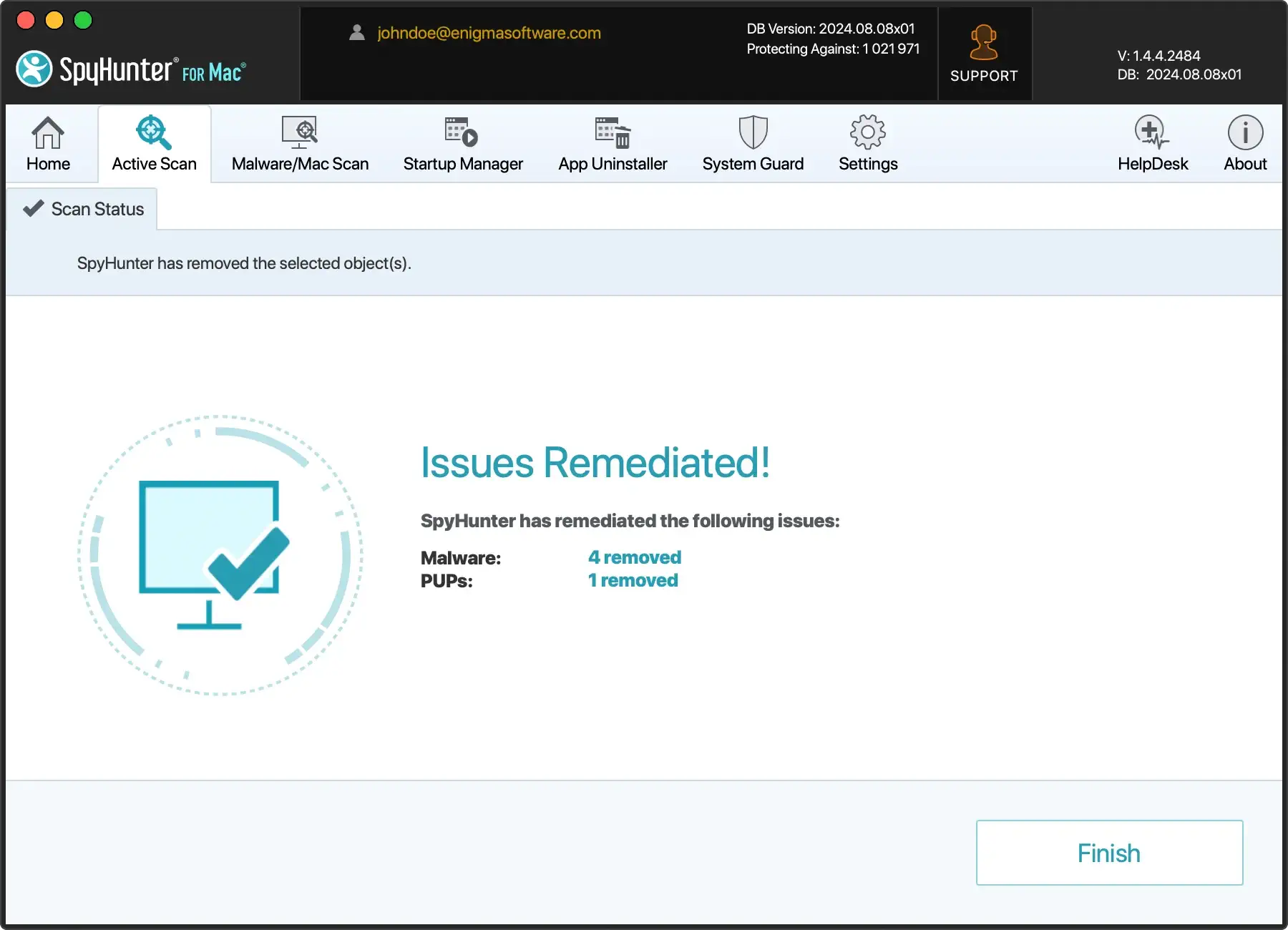
By incorporating SpyHunter for Mac into your malware removal strategy, you save time and effort and benefit from ongoing protection against a spectrum of threats.
While a subscription may be required, the convenience and effectiveness of SpyHunter justify the investment in maintaining a secure and malware-free Mac environment.
Recommended follow-up steps if problems persist
If ConnectionCachefld continues to persist despite diligently following the steps mentioned above, it is crucial to take further action to address the issue effectively.
Persistent malware can be resilient, requiring additional measures to ensure its complete eradication. Here are some recommended follow-up steps:
System restore and backup
Consider utilizing system restore points or restoring from a backup created before the appearance of ConnectionCachefld.
This can help revert your system to a state before the malware infection, effectively removing any changes made by the malicious software. Ensure the chosen restore point is clean and free from malware.
Network security assessment
Conduct a thorough assessment of your network security. Persistent malware may exploit vulnerabilities in network configurations, and addressing these vulnerabilities is essential for preventing future infections.
Implementing robust network security measures can contribute to a more secure computing environment.
Stay informed and vigilant
Keep yourself informed about the latest cybersecurity threats and best practices. Additionally, practice safe browsing habits, avoid clicking questionable links, and exercise caution when downloading files from unknown sources.
Advanced malware scanning
Conduct a comprehensive malware scan using SpyHunter for Mac, a reputable and powerful anti-malware tool designed specifically for macOS. To utilize the power of SpyHunter for Mac, follow these steps:
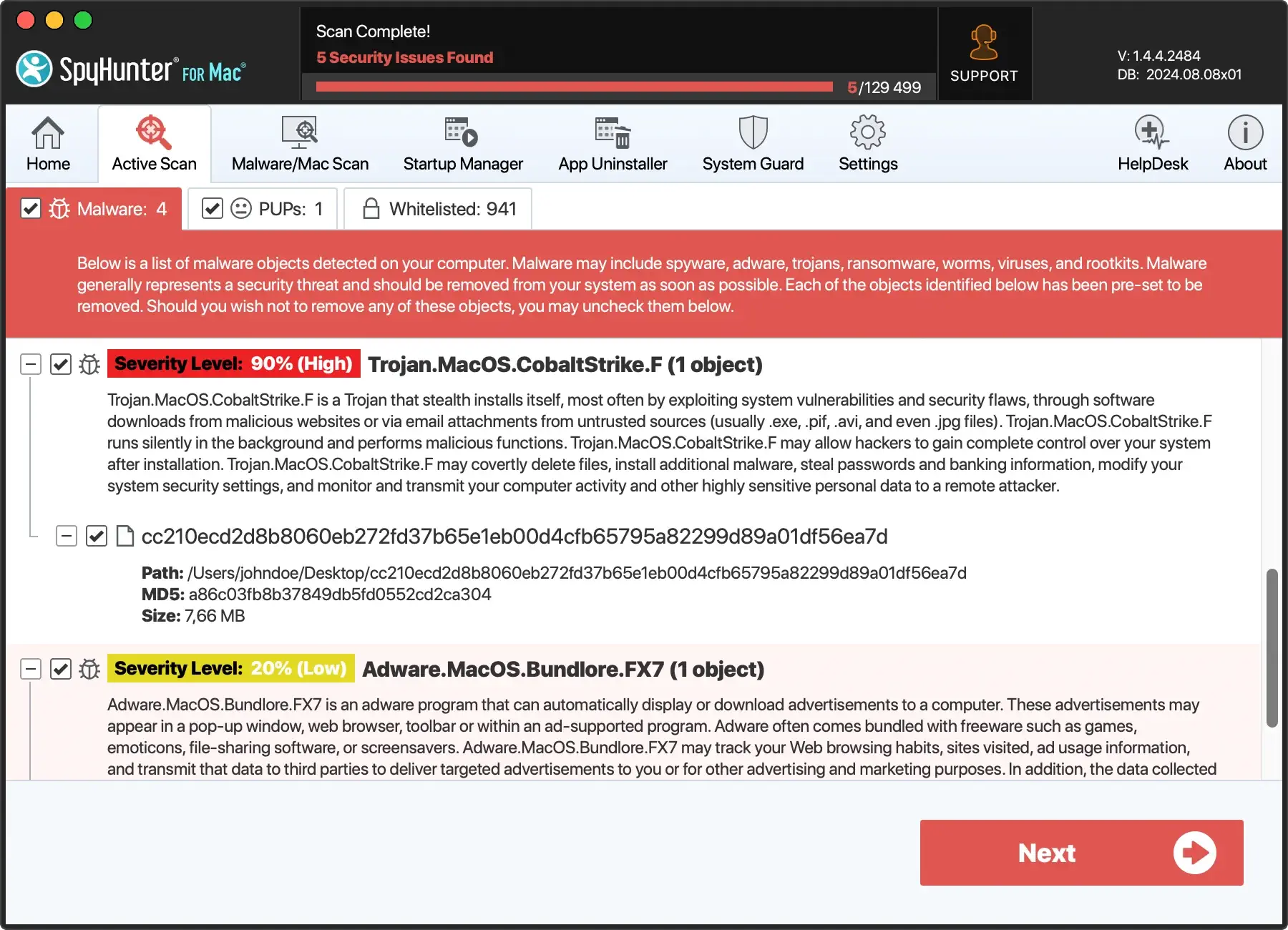
- Download SpyHunter from here and install it on your Mac.
- Launch SpyHunter and perform a thorough system scan to detect and eliminate any remaining traces of ConnectionCachefld.
Professional assistance
If the issue persists, it is advisable to seek the expertise of a professional.
A computer security specialist or a professional IT consultant can provide tailored solutions based on the specific nature of the malware and its potential impact on your system.
Professional assistance can expedite the removal process and minimize the risk of any lingering security threats.
Remember, addressing persistent malware requires a proactive and multifaceted approach. By combining these follow-up steps, users can enhance their chances of successfully removing ConnectionCachefld and safeguarding their system against future threats.
If uncertainties persist, seeking professional assistance remains a prudent course of action.
