

Remove AssistiveRecord: A Complete Guide to Protect Your Mac

Before we dive in
Before we dive in, let's make sure you stay safe online. We created SpyHunter because your security matters to us.
Protect your computer today — download SpyHunter right here! Check out our top tips below to keep your computer safe and secure.

AssistiveRecord, or AssistiveRecordfld, is a potentially unwanted program that infiltrates your browsing experience by injecting advertisements into visited websites and redirecting your browser’s search queries.
If you’ve encountered this intrusive browser hijacker, you’re likely seeking a solution to remove AssistiveRecord and restore your browser’s normal functionality. Jumping right in:
AssistiveRecord description and analysis
AssistiveRecord is classified as a Potentially Unwanted Application (PUA) and a browser hijacker.
This precarious software can modify web browser settings, often resulting in intrusive advertisement campaigns and unwarranted data collection.
In its operation, AssistiveRecord is closely tied to Safe Finder, which is delivered via akamaihd.net, a reputable content delivery network manipulated in this case, for unsolicited activities.
Classification as a PUA and a browser hijacker
Being classified as both a Potentially Unwanted Application (PUA) and a browser hijacker, AssistiveRecord typically infiltrates systems without users’ explicit consent.
This unwelcome software’s traits arise from its invasive behaviors once it secures a foothold on a computer.
PUA characteristics:
- Intrusive installation: AssistiveRecord often finds its way into systems without seeking direct approval from users. This stealthy installation method can catch users off guard.
- Undesirable impact: PUAs like AssistiveRecord may exhibit behaviors that compromise the user experience, ranging from unwanted advertisements to changes in browser settings.
Browser hijacking traits:
- Altered browser settings: AssistiveRecord takes control by manipulating browser settings once entrenched. This alteration can redirect traffic to specific websites, disrupting the everyday browsing experience.
- Unwanted advertisements: Browser hijackers are notorious for bombarding users with unwanted ads. AssistiveRecord follows suit, displaying advertisements that can be intrusive and disruptive.
User implications:
- Privacy concerns: The surreptitious installation and intrusive behaviors raise privacy concerns. Users may become worried about the potential compromise of their sensitive information.
- Disrupted browsing experience: Browser hijacking can lead to a noticeable decline in the quality of the browsing experience, with unwanted ads and altered settings causing frustration.
Connection with Safe Finder and akamaihd.net
AssistiveRecord establishes a connection with Safe Finder, working in tandem to achieve specific objectives.
This collaboration is often involuntary on the user’s part. The PUA utilizes its association with Safe Finder to influence user behavior.
AssistiveRecord contributes to increased web traffic for Safe Finder by redirecting users to specific web pages.
Additionally, AssistiveRecord exploits the akamaihd.net network to streamline the delivery of content associated with its operations.
Through manipulation of akamaihd.net, AssistiveRecord orchestrates increased web traffic. This, in turn, contributes to higher ad revenue as the platform gains financial benefits from directing users to specific pages.
AssistiveRecord and data collection
In addition to its disruptive advertising tactics, AssistiveRecord quietly collects user browsing data. This includes details like frequently visited websites, search queries, and user preferences.
This data is used to tailor targeted advertisements and may raise privacy concerns as it could be sold to third parties.
The covert data collection by AssistiveRecordfld highlights the need for users to be cautious about potential privacy risks associated with this intrusive software.
Once AssistiveRecordfld infiltrates a system, it immediately initiates unwanted registry changes and browser modifications.
These alterations usually lead to performance issues, information theft, excessive pop-ups, and an influx of redirect issues to shady websites.
Distribution methods of AssistiveRecord
AssistiveRecord adware is primarily distributed via deceptive tactics like bundled software and misleading ads.
These techniques are often designed to trick users into inadvertently installing the PUA.
Installation through deceptive advertisements
Disguised as a legitimate and helpful program, AssistiveRecord often tricks users into downloading and installing it on their systems via clickbait ads.
These ads are typically hosted on dubious websites and offer enticing but untrue guarantees to sway users.
Bundling: As extra offers in free software installation
An additional method for the distribution of AssistiveRecordfld is through software bundling. With this technique, the PUA is hidden within the installation setup of another software generally offered for free.
Most users who rushed through these installations end up agreeing to install the unwanted application.
Steps to remove AssistiveRecord
Cleaning your system from AssistiveRecord and other similar threats is essential for maintaining the performance and security of your device.
Remove malicious profiles from Mac
Initiate the removal process of the AssistiveRecord malware by eliminating malicious profiles from your Mac.
These profiles, added by the malicious application, grant it control over specific aspects of your system. Locating and removing these profiles ensures the malware loses its foothold and influence on your computer system.
Step 1: From the Apple menu in the top-left corner of your screen, select System Settings.
Step 2: Look for the Profiles icon in the System Settings window. If the icon is missing, then the device has no profiles installed.
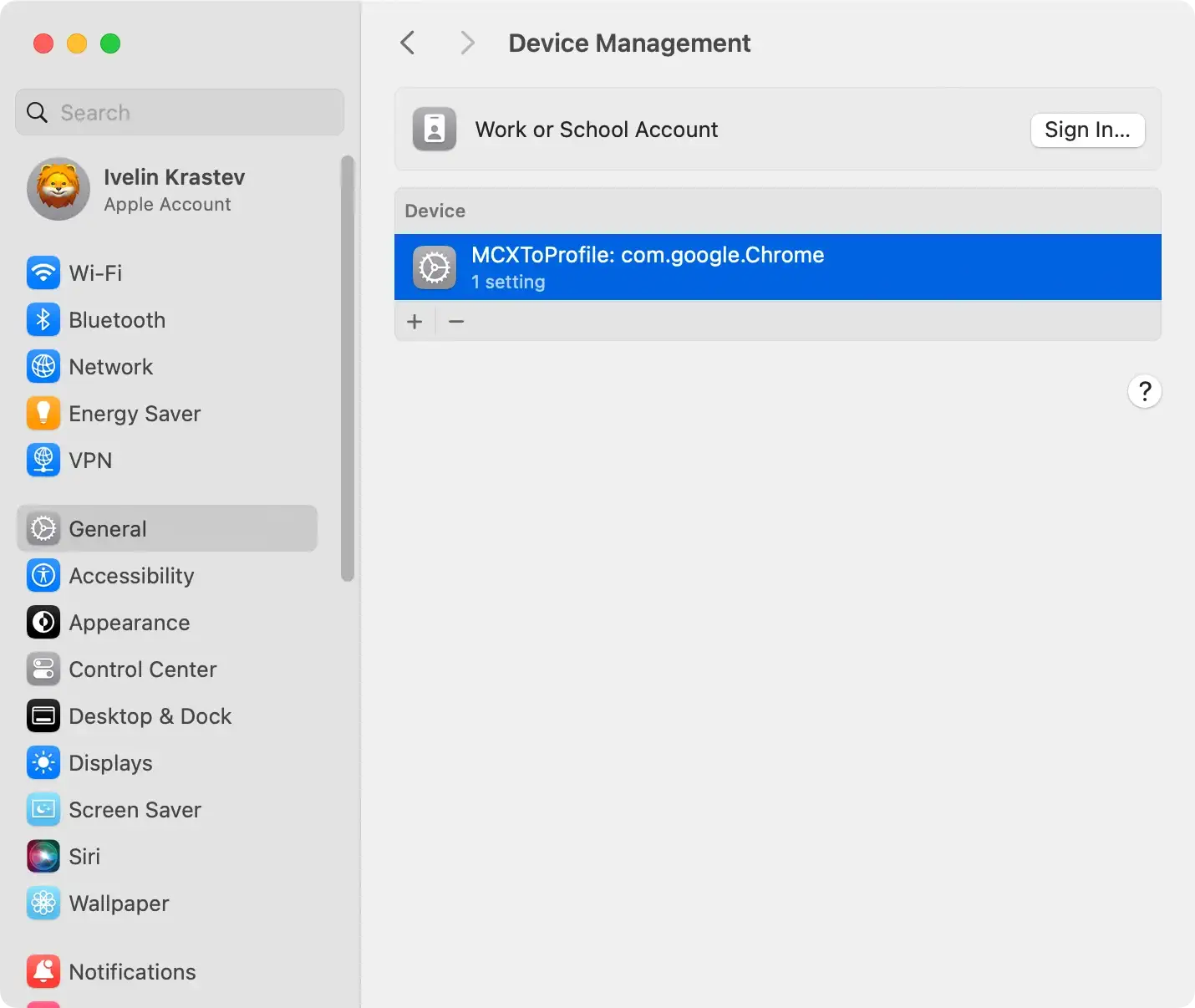
Step 3: Analyze the list of profiles to identify any that seem suspicious or that you didn’t intentionally install. Please pay attention to the profile names and the organizations associated with them.
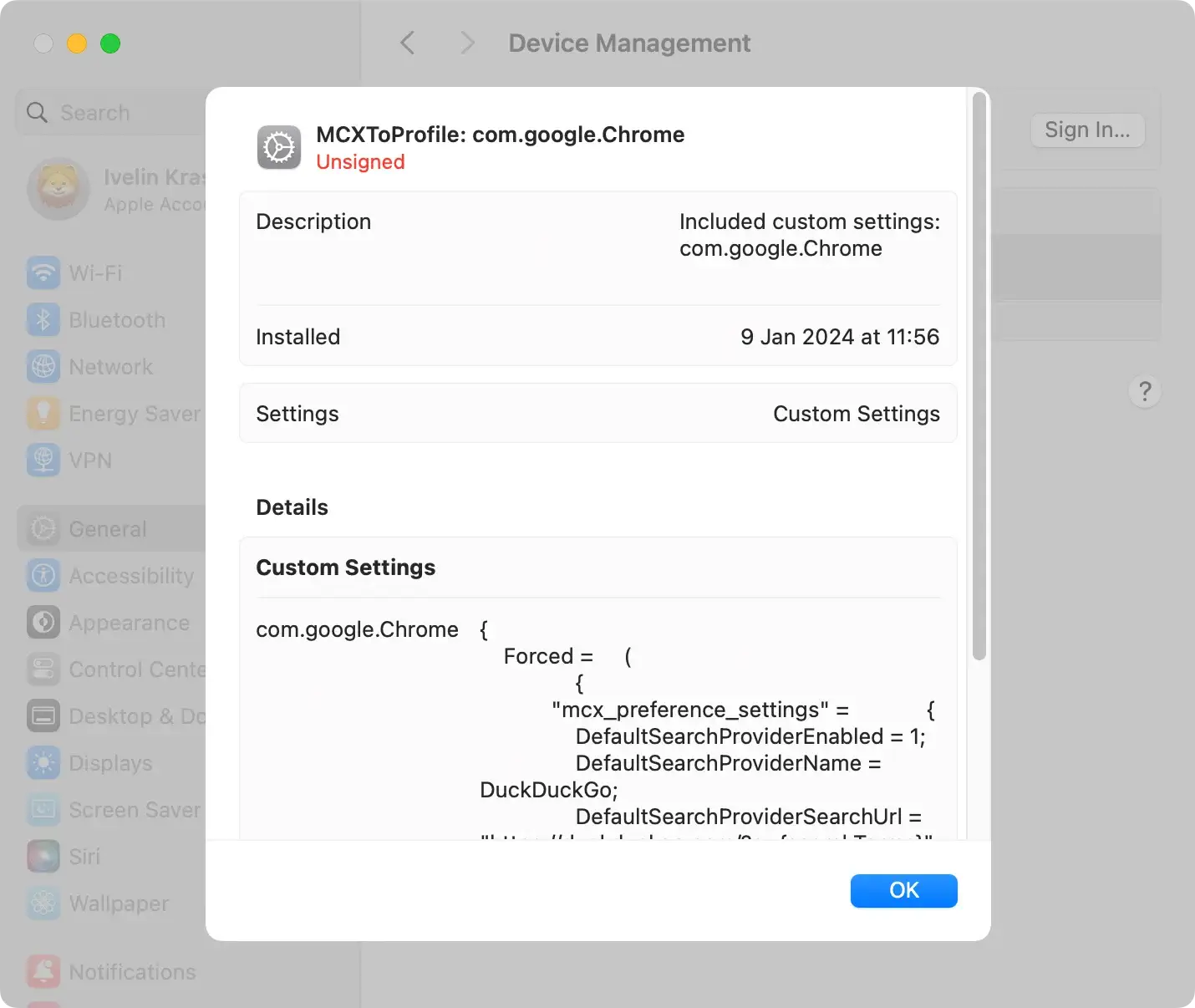
Step 4: To remove a configuration profile, select it and click the (-) button.
Step 5: A confirmation dialog may appear. Verify that you want to remove the selected profile by providing your administrative password.
Step 6: After removing the profiles, it’s a good practice to restart your Mac. This will ensure that the changes take effect.
Remove AssistiveRecord from Mac
Begin by locating and uninstalling AssistiveRecordfld from your Mac. Examine both the list of applications and system library files, as this malicious software may create concealed files or folders in those areas.
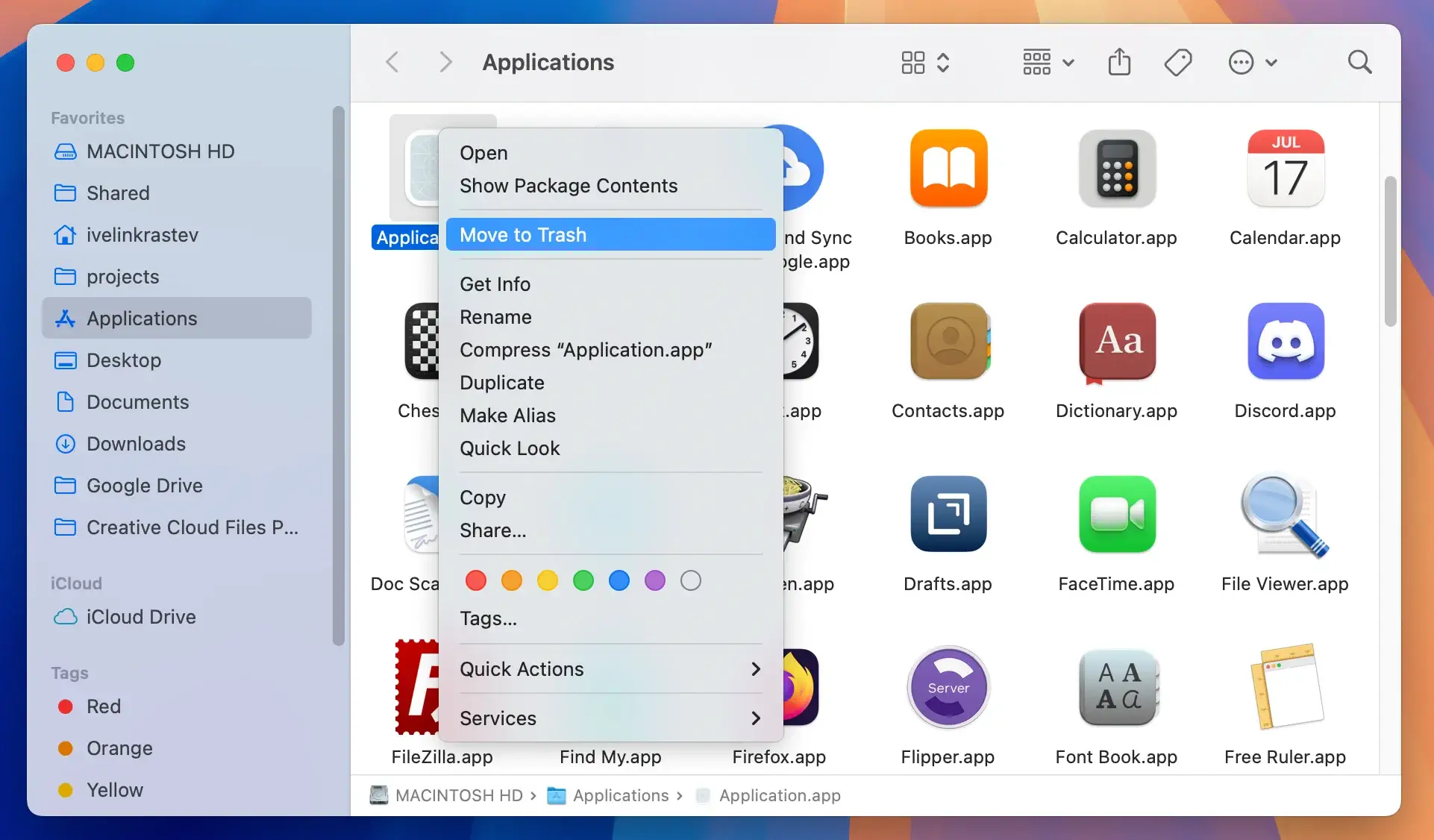
Ensure thoroughness during this process, as any overlooked browser hijacker component can lead to a potential re-infection.
Pro Tip
Enhance your removal efforts with dedicated security software like SpyHunter for Mac.
It can efficiently identify applications and pinpoint all files and folders associated with the malicious software.
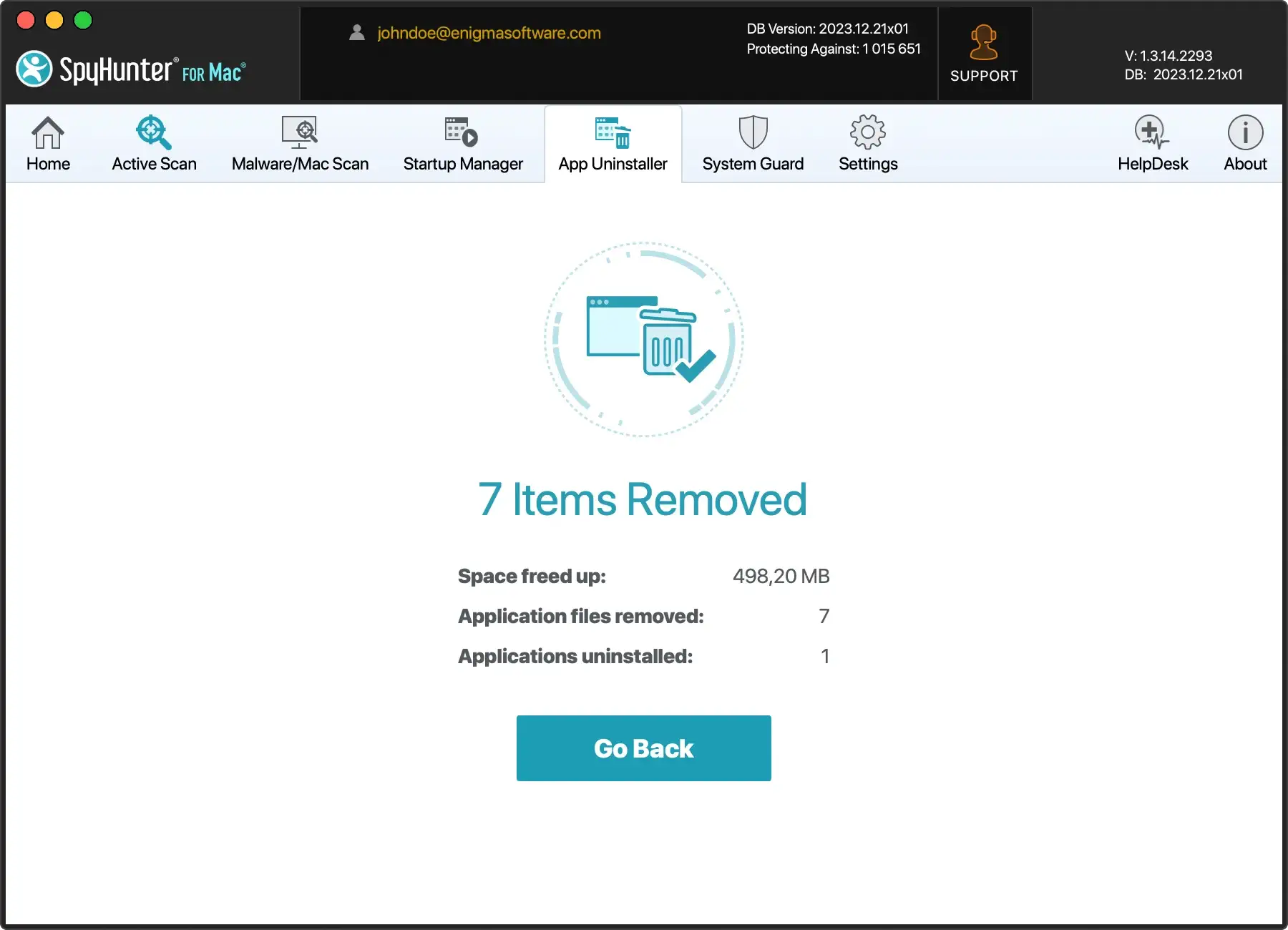
Download SpyHunter, install it, and execute the App Uninstaller. Let it scan your system for applications and their corresponding files and folders. Select the applications you wish to remove and click the remove button.
Remove AssistiveRecordfld from your browser (Safari, Chrome, Firefox)
Given AssistiveRecord’s role as a browser hijacker, it’s crucial to cleanse your browsers to eradicate its impact.
The method may slightly differ based on whether you use Safari, Chrome, or Firefox. Still, it generally involves removing unfamiliar extensions, clearing the cache, and resetting the browser to default settings.
This ensures your browser is free from AssistiveRecord’s influence, preventing potential re-infections.
Safari
- Open Safari and choose
Safarifrom the top menu. - Select
Preferencesand navigate to theExtensionstab. - Locate the AssistiveRecord extension and choose the option to uninstall it.
- Go to the
Generaltab and set your preferred homepage. - Check the
Searchtab to confirm your desired search engine selection.
Google Chrome
- Launch Chrome and click on the three-dot menu in the top-right corner.
- Select
More toolsand then open the extensions tab. - Find the AssistiveRecord extension and click choose to remove it.
- In the same menu, go to
Settings. - Under
On startup, ensureOpen a specific page or set of pagesis selected, and set your choice page. - In the
Search enginesection, choose your preferred search engine.
Mozilla Firefox
- Open Firefox and click on the three horizontal lines in the top-right corner.
- Open the add-ons settings and navigate to the extensions tab.
- Locate the AssistiveRecord extension and click uninstall it.
- Navigate to
Optionsand go to theHometab. - Set your preferred homepage and ensure the selected search engine aligns with your choice.
Use SpyHunter to remove AssistiveRecord
Given the persistent characteristics of AssistiveRecord, it is advisable to utilize a reliable automatic malware removal tool.
Developed by cybersecurity experts, these programs proficiently scan your system for all remnants of AssistiveRecordfld and permanently eliminate them.
SpyHunter, a reputable anti-malware software, can assist you in conducting a comprehensive scan to detect and remove AssistiveRecord and other potentially unwanted programs effectively.
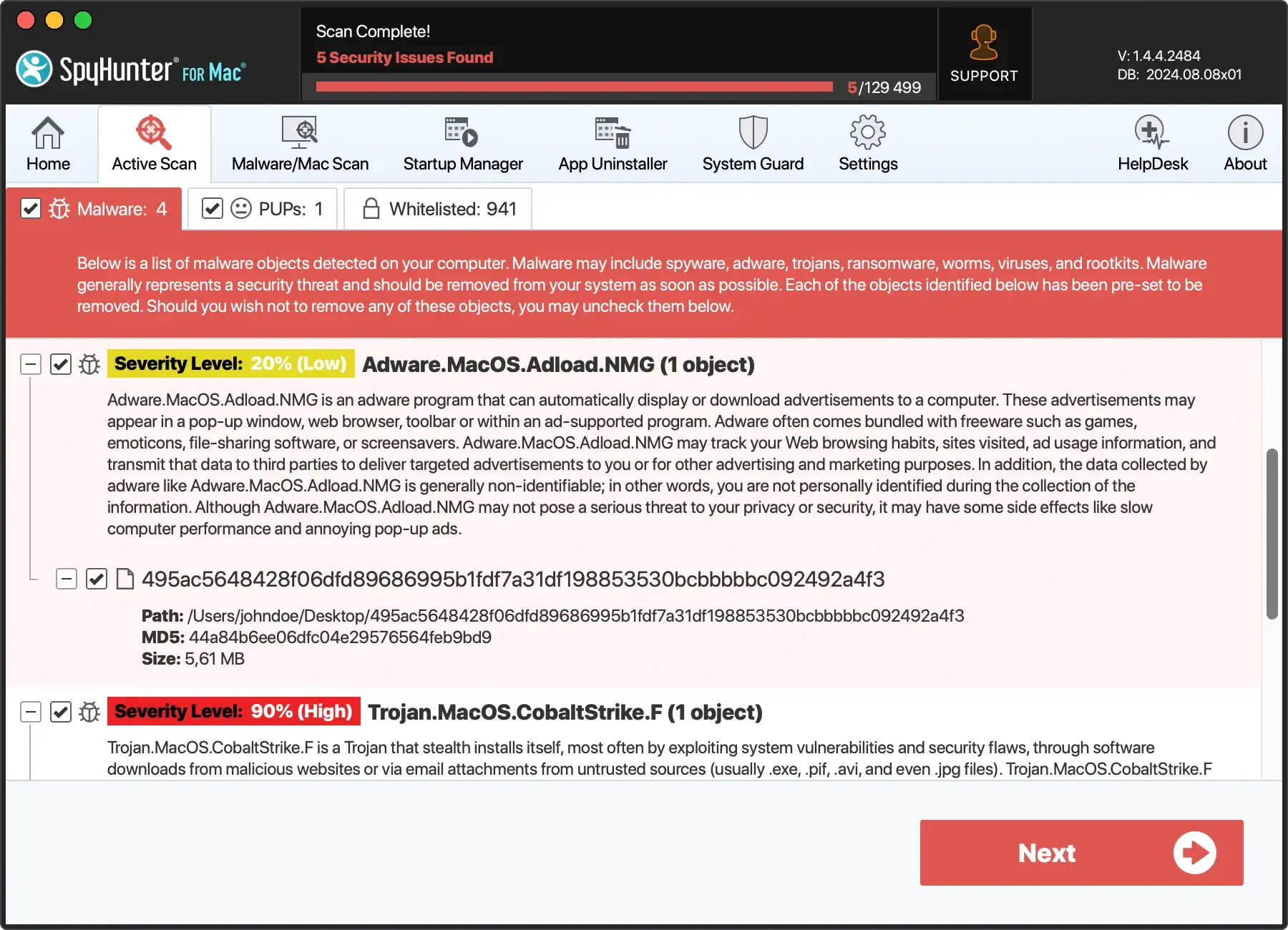
Ensure that the anti-malware software is updated before initiating a scan to enhance its capability to identify and eliminate the latest malware variants.
Follow the steps below to easily download, install, and run a scan with SpyHunter:
- Download SpyHunter from here and install it.
- Once installed, the app will automatically start a scan to detect AssistiveRecordfld or any other threats installed on your Mac.
- Click Next; SpyHunter will effectively quarantine the threats, safeguarding your Mac.
Tips to avoid installation of PUPs
To bolster your defense against potentially unwanted applications (PUAs) like AssistiveRecord, here are some detailed tips to follow:
Use software from official sources
Stick to downloading applications and software from official and authorized vendors.
This practice significantly minimizes the likelihood of unintentionally downloading PUPs. Official channels often have strict security measures to vet the software they host.
Install reputable antivirus software
Employing good antivirus software adds an extra layer of protection to your system. Ensure your antivirus software is updated to recognize and guard against the latest threats.
Some antivirus tools offer real-time protection and can prevent the installation of PUAs by flagging them during the download process.
Consider using SpyHunter, a high-tech antivirus tool that protects against various threats, including PUPs like AssistiveRecord.
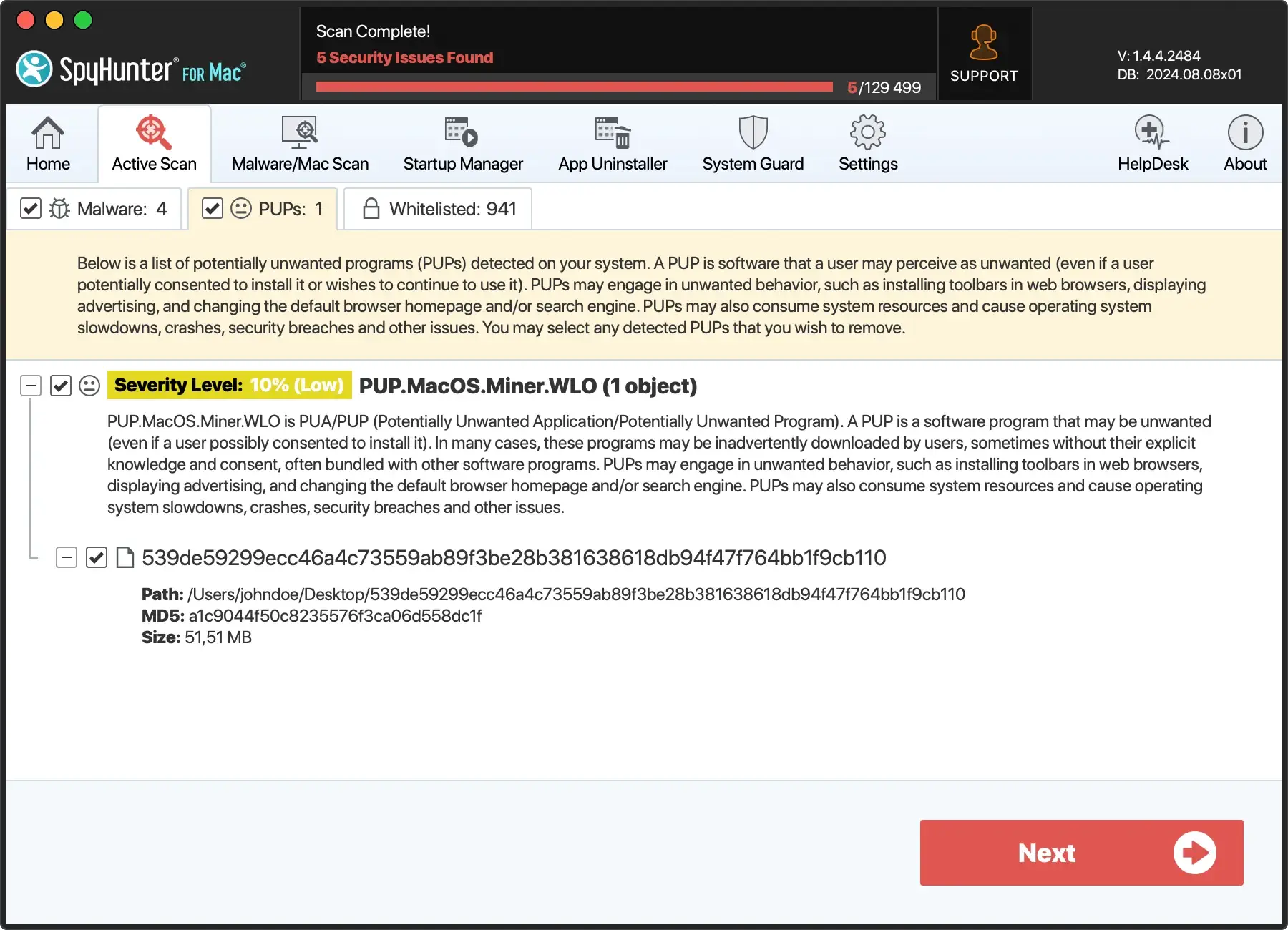
Download SpyHunter from here and scan your device for malware.
Thoroughly examine “Custom” and “Advanced” settings
During the installation process of any software, always opt for the “Custom” or “Advanced” settings.
This meticulous approach allows you to analyze and de-select any additional applications bundled with the primary software.
Many PUAs rely on users breezing through the installation process without paying attention, making this step crucial for preventing their inadvertent installation.
Keep software and systems updated
Regularly updating your software and operating system is a fundamental security practice.
Developers release updates to patch vulnerabilities and enhance security. By keeping your software up to date, you reduce the risk of exploitation by malicious software, including PUPs.
Integrating these tips into your online practices can significantly reduce the chances of inadvertently installing potentially unwanted applications like AssistiveRecord.
