

How To Fix Zoom Error Code 10004 (5 Quick Fixes)

Before we dive in
Before we dive in, let's make sure you stay safe online. We created SpyHunter because your security matters to us.
Protect your computer today — download SpyHunter right here! Check out our top tips below to keep your computer safe and secure.

Ever been in the middle of an important Zoom call when suddenly you’re kicked out with a puzzling Error Code 10004?
This frustrating interruption can be caused by anything from a shaky internet connection to Zoom’s own server issues.
This guide will dive into what causes this error and offer easy, actionable solutions to get you back in your meetings as quickly as possible. Whether it’s checking your network settings, clearing your Zoom cache, or updating your app, we’ve got you covered.
Plus, for those times when the problem might be a bit more complex, we’ll provide tips on optimizing your setup for a smoother Zoom experience and when to reach out to Zoom’s technical support for additional help.
What causes Zoom Error Code 10004 on Mac?
Issues with your network connection
One of the primary triggers for Zoom Error Code 10004 is an unstable or weak internet connection. When Zoom cannot maintain a consistent connection to its servers, this error is likely to occur.
This might be due to low internet speed, intermittent service, or network congestion. To mitigate this issue:
- Check the stability of your internet connection. Streaming services like Zoom require a stable connection for optimal performance.
- Restart your router or switch to a wired connection to ensure greater reliability.
- Avoid overloading your network with multiple devices or high-bandwidth activities during crucial calls or meetings.
Problems on the Zoom server
Server-related issues on Zoom’s end can also lead to Error Code 10004. This usually happens during server downtimes or when undergoing maintenance. Server problems prevent the app from updating itself which is critical for smooth operation. Here’s how to handle it:
- Visit Zoom’s official service status page to check if there are any ongoing issues with their servers that could be affecting your connection.
- If server issues are confirmed, waiting until the matter is resolved by Zoom is advisable.
- Alternatively, try reconnecting after some time to see if the issue has been fixed.
How can you check if Zoom servers are down?
Experiencing issues with Zoom meetings can be frustrating, especially when you are not sure if the problem is on your end or something to do with Zoom’s servers. To determine if the issue is related to Zoom’s servers, follow these simple steps:
- Visit status.zoom.us and press
Return. This action will direct you to the official Zoom status page. - Once on the page, look for a green banner that reads
All Systems Operational. This indicates that all Zoom services are functioning normally. - If the banner is a different color or reports an issue, this means there are problems with Zoom’s servers. Common notices include
Partial OutageorMajor Outage. - Click the + sign next to each service to get detailed status updates and incident reports, if there are any.
By checking Zoom’s status page, you can quickly ascertain whether the service is experiencing issues that could be affecting your connectivity or functionality. If Zoom’s servers are operational and you continue to experience issues, the problem might lie with your device setup or internet connection.
Step-by-step guide to fix Zoom Error Code 10004
Step 1: Verify your software compatibility
Before diving into more complex solutions, check if your computer meets Zoom’s minimum system requirements. This includes verifying both the operating system and hardware capabilities.
Additionally, ensure that no other programs are running that might conflict with Zoom, such as other video conferencing software or heavy applications that consume a significant amount of system resources.
You can find the necessary system requirements on the relevant official Zoom support page.
Step 2: Configure your firewall settings
Firewalls can sometimes block Zoom, mistaking it for a security threat.
To ensure this isn’t the cause of Error Code 10004, temporarily disable your firewall to see if your connectivity issues resolve. If Zoom works with the firewall turned off, consider adding an exception for Zoom in your firewall settings.
This allows Zoom to operate while keeping your firewall active. Instructions for this process can typically be found on your firewall provider’s help pages or by contacting your system administrator.
Step 3: Clear your Zoom cache
Over time, stored cache and cookies related to Zoom can become corrupted and lead to loading or connectivity issues like the 10004 error.
Clearing these temporary files can resolve such problems. On a Mac, you’ll need to head to ~/Library/Application Support/zoom.us/ and manually delete the stored files.
Empty the Trash after deleting the files to erase them completely.
Step 4: Update your Zoom application
Using an outdated version of Zoom can cause compatibility issues and errors.
Check for and install updates by opening the Zoom client, navigating to your profile picture, and clicking Check for Updates.
If an update is available, follow the prompts to install the latest version, which could contain fixes for the Error Code 10004 and other related issues.
If that fails, you can uninstall Zoom and then reinstall Zoom again from a fresh Zoom installer file, but the update should take care of the issue in most cases.
Step 5: Consult Zoom support for assistance
If none of the above methods resolve the issue, it may be time to seek help directly from Zoom’s support team.
Visit the Zoom Support Center, where you can browse articles for troubleshooting, submit a support request, or chat live with a support agent for personalized help.
Provide details about the error, your system configuration, and the steps you’ve taken so far.
Use SpyHunter to fix Error 10004 and other issues caused by malware
Sometimes, the root causes of issues like the 100004 error message are not technical or networking issues but malicious files and apps.
Malware can mess up your system settings and cause all sorts of system issues, including errors similar to Zoom error code 10004. To take care of those situations, you need a reliable tool like SpyHunter to clean your system.
- Download the app here and follow the visual guide on your screen to install it.
- Launch the SpyHunter app from your Dock and use the main menu to start a full system scan.
- Wait for the scan to complete and examine the list of detected threats to make sure everything is selected for removal.
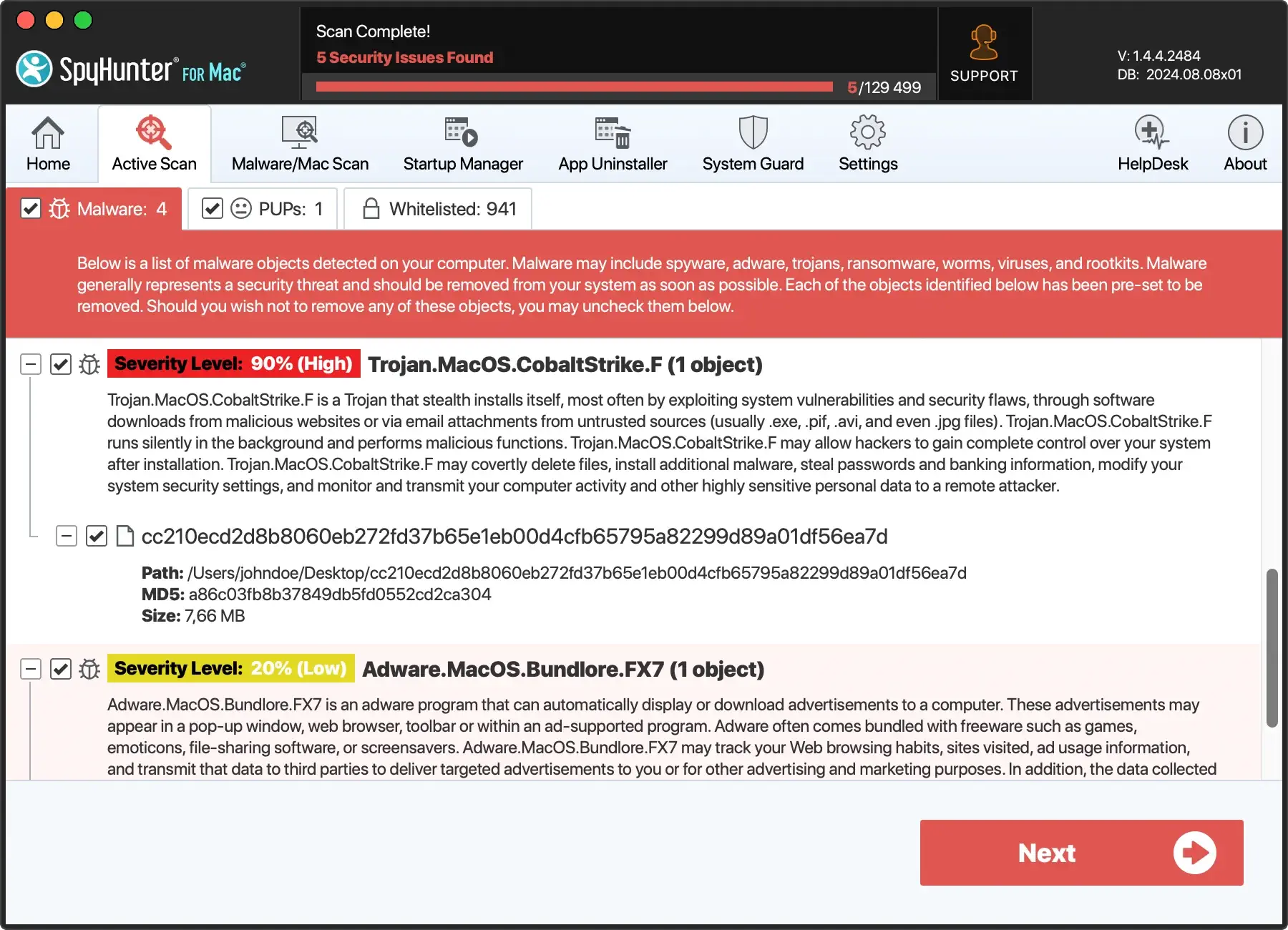
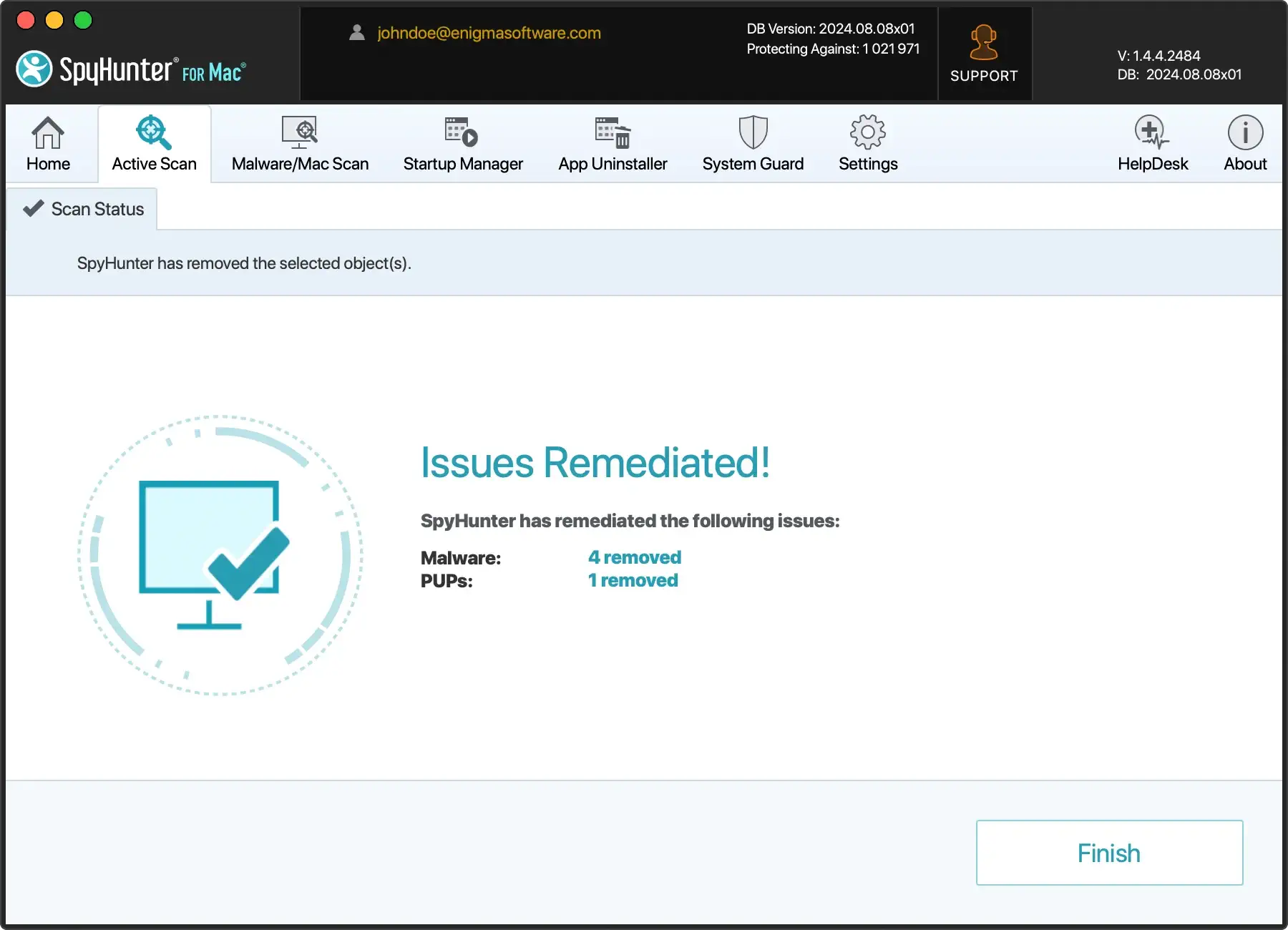
- Proceed with the automated removal process and enjoy a clean Mac that performs as it should.
When should you reach out to Zoom’s technical support?
Deciding when to contact Zoom’s technical support can feel like a tricky call. However, there are clear situations where reaching out is necessary.
If you’ve gone through basic troubleshooting steps—like checking your internet connection, restarting your device, or updating the Zoom app—and still face persistent issues, it’s time to seek further assistance.
Specifically, if you encounter a recurring error such as the Zoom error code 10004 and the self-help resources or community Zoom users forums haven’t resolved your problem, contacting support is the next best step.
Provide detailed information about your system and the steps you’ve already tried. This will help the support team understand your problem better and provide an effective solution.
