

How To Fix Mac Error Code 2100F [Quick Guide]

Before we dive in
Before we dive in, let's make sure you stay safe online. We created SpyHunter because your security matters to us.
Protect your computer today — download SpyHunter right here! Check out our top tips below to keep your computer safe and secure.

Have you found yourself staring at a puzzling error message on your Mac?
You’re not alone if you’ve encountered the dreaded Mac Error 2100F, typically seen when trying to access Recovery Mode. This error can be both confusing and frustrating, blocking your path to system repair and recovery tasks.
This article dives into what triggers this error, flags the common symptoms, and explores effective troubleshooting steps to help you fix it.
Whether it’s an unstable internet connection or a deeper software issue, we’ll guide you through resolving the error and getting your Mac back in shape.
What is Mac Error 2100F?
Mac Error 2100F is a specific type of runtime error that Mac users may encounter, primarily when attempting to access Recovery Mode on their devices.
This error is indicated by an on-screen message featuring a globe icon, where the system alerts the user that an error has occurred and prevents the Mac from entering Recovery Mode.

Typically, Error 2100F relates to issues with Internet recovery, and there might be several triggers, including network issues or problems with the recovery server.
The symptoms of Error 2100F on your Mac
If you’re facing Error 2100F on your Mac, there are noticeable signs that something is amiss.
First and foremost, your Mac or MacBook might fail to boot into Recovery Mode, which is a critical function for troubleshooting and repairing disk errors or performing a clean install of macOS using a bootable USB installer or other external boot media.
You may also notice that your device behaves erratically – this could range from slower performance to apps crashing unexpectedly.
Another symptom is the inability of the Mac to complete startup procedures, often rebooting or shutting down unexpectedly.
How can you fix Error 2100F on Mac?
Step 1: Check your internet connection
First, ensure your Mac is connected to a stable and reliable internet source.
Error 2100F often arises due to connectivity issues during internet recovery attempts. If you’re using Wi-Fi, try switching to a different Wi-Fi network or directly connect your Mac to the router via an Ethernet cable.
Additionally, consider using your smartphone as a hotspot to rule out network-specific issues.
Step 2: Utilize macOS Recovery over the Internet
If the internet connection is stable, initiate the macOS Internet Recovery by restarting your Mac.
Immediately press and hold down the keys Option + Command + R until a spinning globe icon appears, indicating the start of Internet Recovery mode.
This process will attempt to load the necessary tools from Apple’s servers to fix your system.
Step 3: Verify the startup disk and system
Once in macOS Recovery, utilize the Disk Utility tool to check the health of your startup disk.
Select your main disk from the sidebar and click First Aid to diagnose and repair any disk issues. If problems are found and rectified, attempt to restart your Mac normally.
Step 4: Reset the NVRAM on your Mac
Another solution is to reset your Mac’s NVRAM (Non-Volatile Random-Access Memory), which can resolve issues preventing normal boot or access to recovery modes.
To reset, shut down your Mac and then turn it on and immediately hold Option + Command + P + R for about 20 seconds until your Mac restarts.
This action resets system settings, including time zone and startup disk selection, to default, potentially bypassing Error 2100F.
Using SpyHunter to eliminate malware causing Error 2100F
While most of the time, the cause behind Error 2100F will be more mundane, similar error codes can also be caused by malware that has infected your system.
SpyHunter is a powerful anti-malware tool for Mac that can track down and eliminate a wide range of malicious files and apps, as well as potentially unwanted programs that may cause system errors.
Download the app from here and follow the on-screen visual guide to install SpyHunter properly.
Once installed, launch SpyHunter from your Dock and then run a full system scan from the main menu. Once the scan is complete, you will see a list of every malicious file or app that potentially hides on your system.
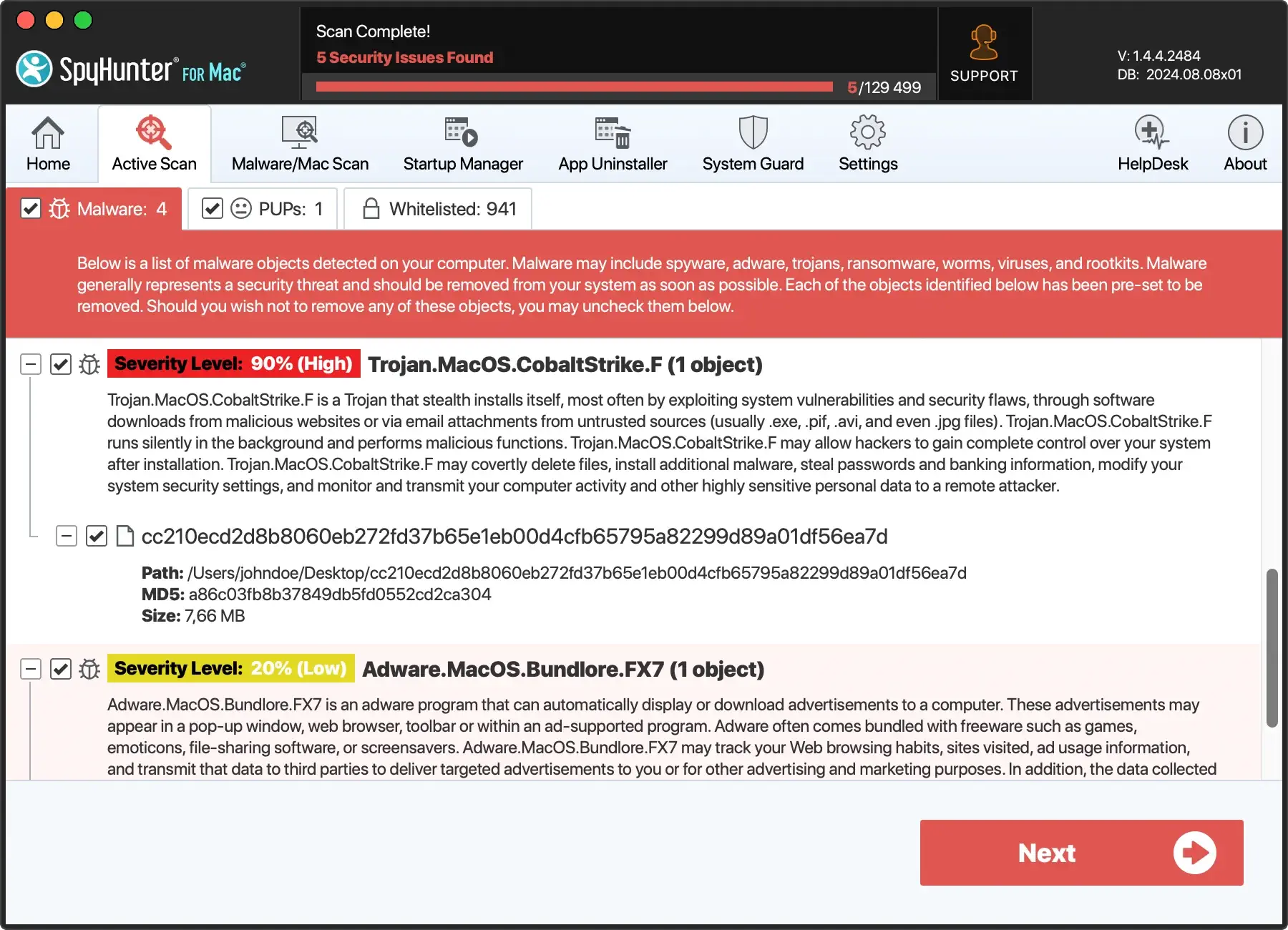
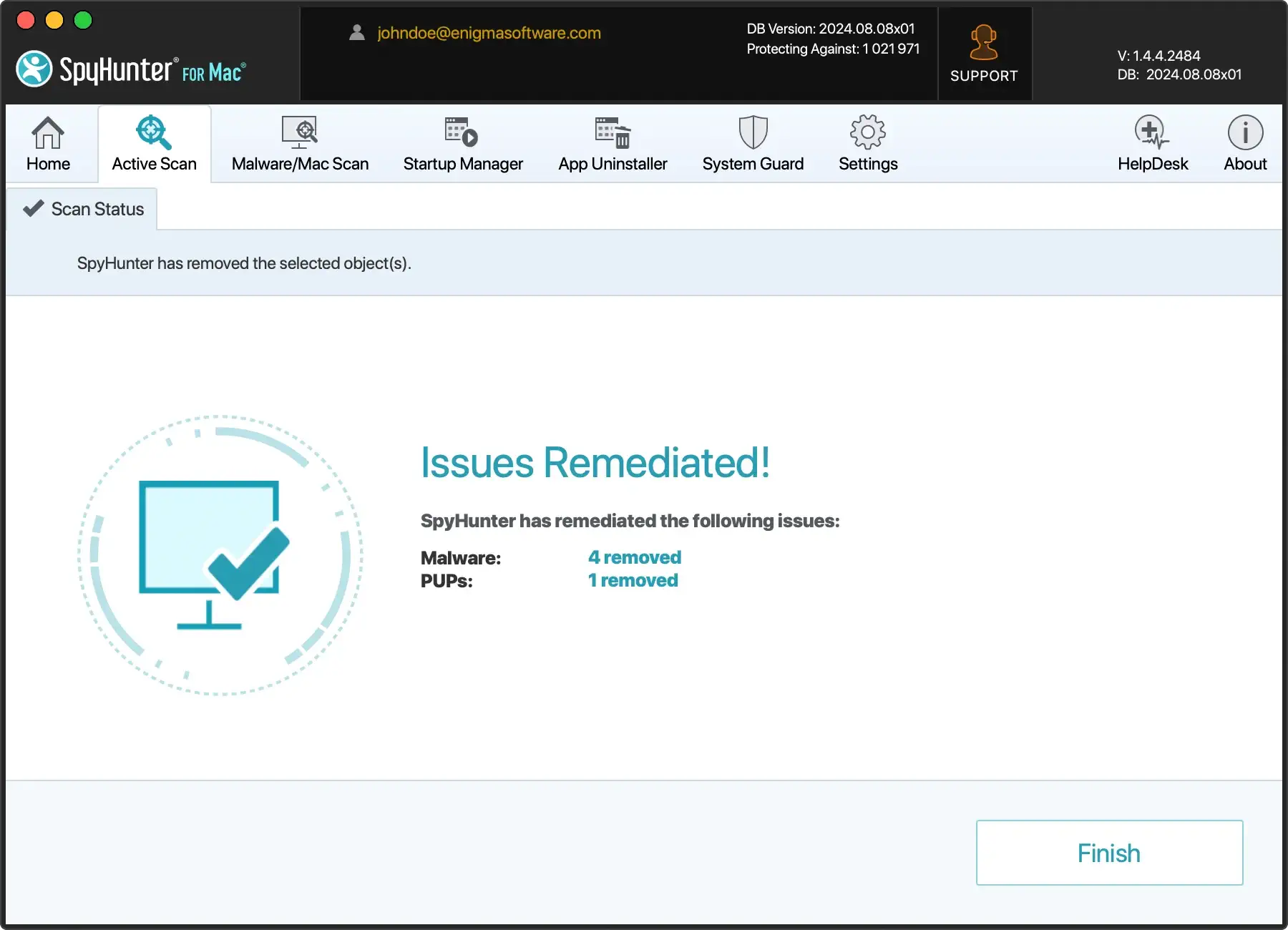
Proceed to select and automatically remove the threats discovered using SpyHunter and enjoy a clean Mac that will be both safer and much less prone to running into system errors similar to Error 2100F.
When should you seek professional help with Mac errors?
Dealing with Mac errors can be daunting, especially when basic troubleshooting doesn’t resolve the issues.
It’s important to know when to reach out for professional help. Consider seeking assistance from an Apple Authorized Service Provider if:
- Persistent error messages: If you keep seeing error codes like -2002F, -2004F, and others during startup or recovery despite following recommended troubleshooting steps, a deeper issue may be at play, possibly hardware-related.
- Failed recovery attempts: If your Mac consistently fails to boot into Recovery Mode or Internet Recovery fails repeatedly, this could indicate a serious problem with your Mac’s firmware or hardware.
- Physical damage signs: Any signs of physical damage or unusual sounds (like clicking noises from the HDD) necessitate a professional look. Such symptoms could indicate failing components that need expert intervention.
- Inability to boot: If your Mac doesn’t boot or consistently displays a flashing question mark folder, professional diagnostics can help identify whether the issue lies in the storage or other critical hardware.
Always back up your data if possible before heading to a service provider, as some diagnostics and repairs might lead to data loss.
A professional can offer a precise diagnosis and the best solutions, ensuring your Mac remains in good working condition.
Mac Error 2100F FAQs
Why does Error 2100F occur during macOS recovery?
Error 2100F commonly appears on Macs during attempts to enter or operate within Recovery Mode.
This issue may arise due to a variety of reasons including network connectivity issues, corrupted system files, or faults within the recovery partition itself.
Primarily, the error can manifest if the Mac fails to establish a secure internet connection during the recovery process.
Problems with the local Wi-Fi, or the requirement for a wired Ethernet connection can provoke this error, necessitating network troubleshooting.
Can Error 2100F lead to data loss on my Mac?
The occurrence of Error 2100F itself does not directly result in data loss.
However, the conditions under which this error appears—typically during system restore or reinstallation—can sometimes lead to data being overwritten or lost if not properly backed up.
Therefore, it is highly recommended to regularly back up your data, especially before initiating system recovery processes.
Using Time Machine or an external drive to secure your files can safeguard your data from unexpected incidents during system recovery.
Are there preventive measures for Mac Error 2100F?
Taking proactive steps can significantly reduce the likelihood of encountering Error 2100F.
Ensure your Mac is running the most current version of macOS, as updates often include fixes for common system errors and enhancements for stability.
Regularly check your network settings and environment to confirm a consistent and strong internet connection is available, particularly when planning to use Recovery Mode.
