

How To Remove Tumgir Adware on Mac (Easy Tips)

Before we dive in
Before we dive in, let's make sure you stay safe online. We created SpyHunter because your security matters to us.
Protect your computer today — download SpyHunter right here! Check out our top tips below to keep your computer safe and secure.

In the current year, dealing with unwanted software and intrusive ads has become an unfortunate online reality.
One such common annoyance for Mac users is Tumgir adware, which can interrupt browsing sessions, redirect you to dubious sites, and expose you to risky ads.
If you’re seeing unfamiliar ads or experiencing unusual browser behavior, it’s likely that you have some form of adware installed.
Here, we’ll explore what Tumgir adware is, why it’s a problem, and how you can safely remove it from your Mac.
What is Tumgir adware?
Tumgir is a type of adware—an intrusive software designed to display unwanted ads on your device.
Adware often disguises itself as legitimate software or sneaks into your system bundled with free downloads.
Once installed, it can display various ads, often promoting dubious products or redirecting you to potentially harmful websites.
Like many types of adware, Tumgir’s main purpose is to generate ad revenue for its creators.
However, adware like Tumgir is notorious for violating privacy and interfering with the overall user experience. It can hijack your browsing sessions, track your online behavior, and expose you to security risks.
How adware impacts your Mac
Once Tumgir adware infiltrates your system, it begins to create disruptions in several ways:
- Intrusive ads: You’ll see more ads than usual, some of which may appear out of nowhere. These ads may show up on websites you visit frequently, making it harder to enjoy a seamless browsing experience.
- Redirects to questionable sites: Tumgir adware can cause sudden redirects to websites you didn’t intend to visit, including scam sites, fake tech support pages, and phishing sites designed to steal your information.
- System performance issues: Because Tumgir is constantly working in the background, it can slow down your Mac. These processes consume memory and CPU resources, impacting your device’s performance.
- Privacy risks: Adware often tracks your online activity, collecting information on the sites you visit, your search history, and other data. This information may be used to target you with more ads or even shared with third parties, putting your privacy at risk.
How Tumgir adware spreads
Tumgir, like other adware, often spreads through software bundles, fake download links, or deceptive advertisements.
It may be disguised as a useful app, browser extension, or other “free” software. Once installed, it’s typically difficult to notice at first, since it runs quietly in the background.
But if you’re seeing an influx of unwanted ads or redirects, it’s a good sign that adware like Tumgir might be at work.
Remove Tumgir using SpyHunter
SpyHunter is a comprehensive anti-malware solution for Mac, capable of effortlessly removing adware like Tumgir.
The software features a robust malware scanner that identifies and eliminates harmful files and applications, along with a real-time protection system to safeguard your Mac against future threats.
You can download the app here and install it on your device. Once installed, open SpyHunter from your dock and initiate a full system scan.
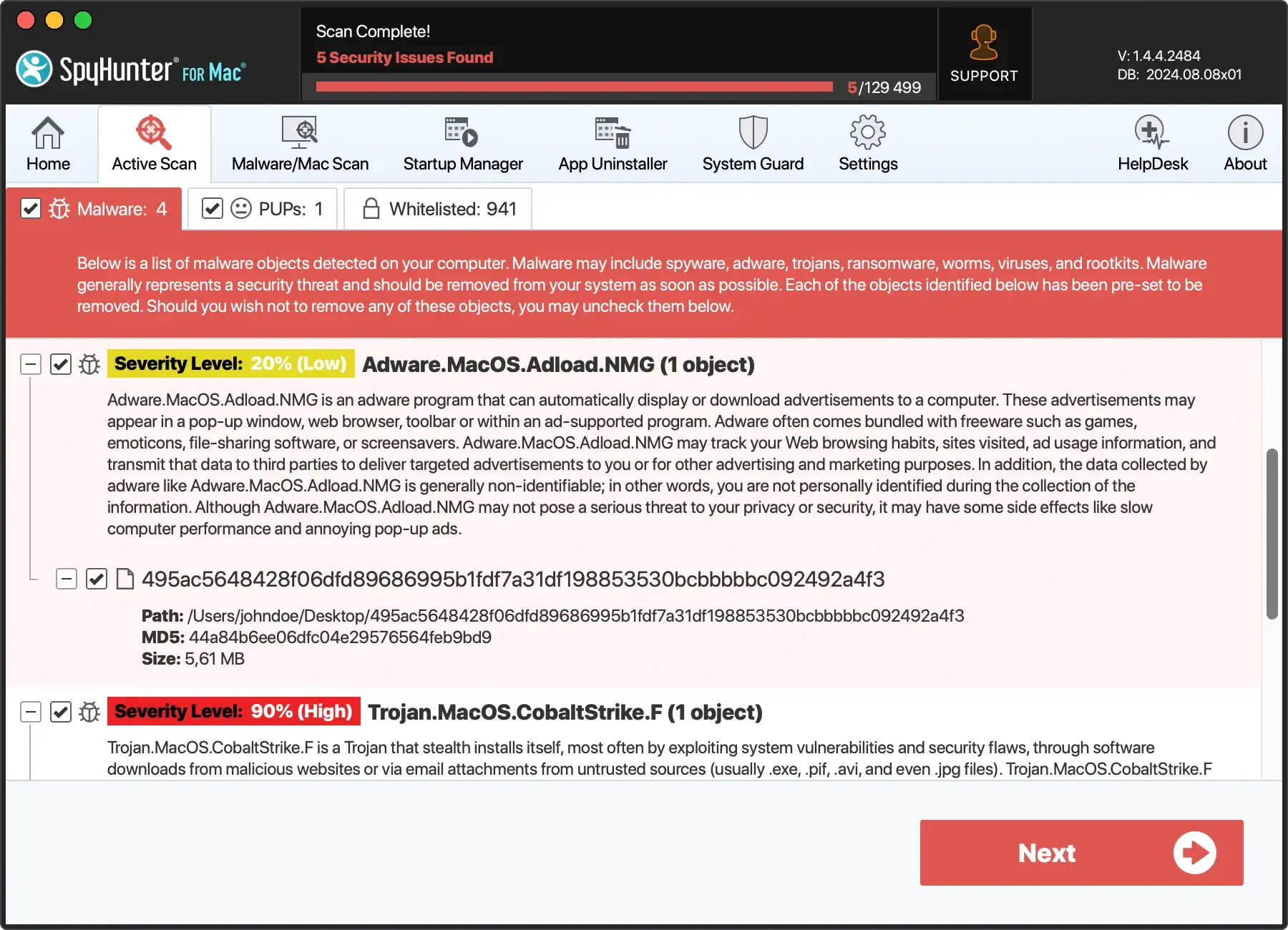
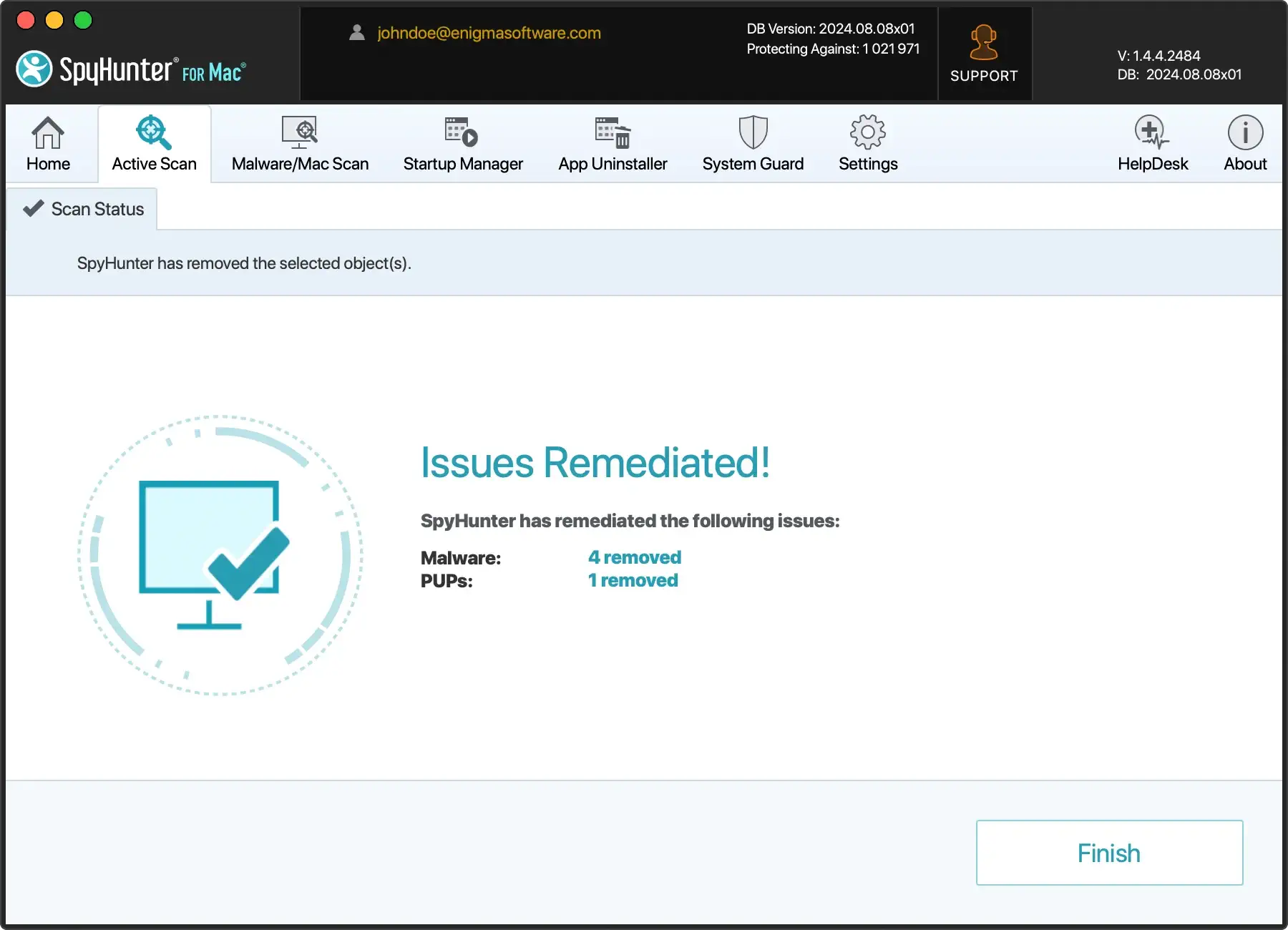
Review the scan results to ensure all detected threats are selected for removal. Then, use the interface buttons to clean your system of all identified malware.
How to manually remove Tumgir adware on Mac
The good news is that removing Tumgir adware from your Mac is straightforward if you follow a few essential steps. Here’s how to do it.
Step 1: Remove Tumgir from the Applications folder
- Open
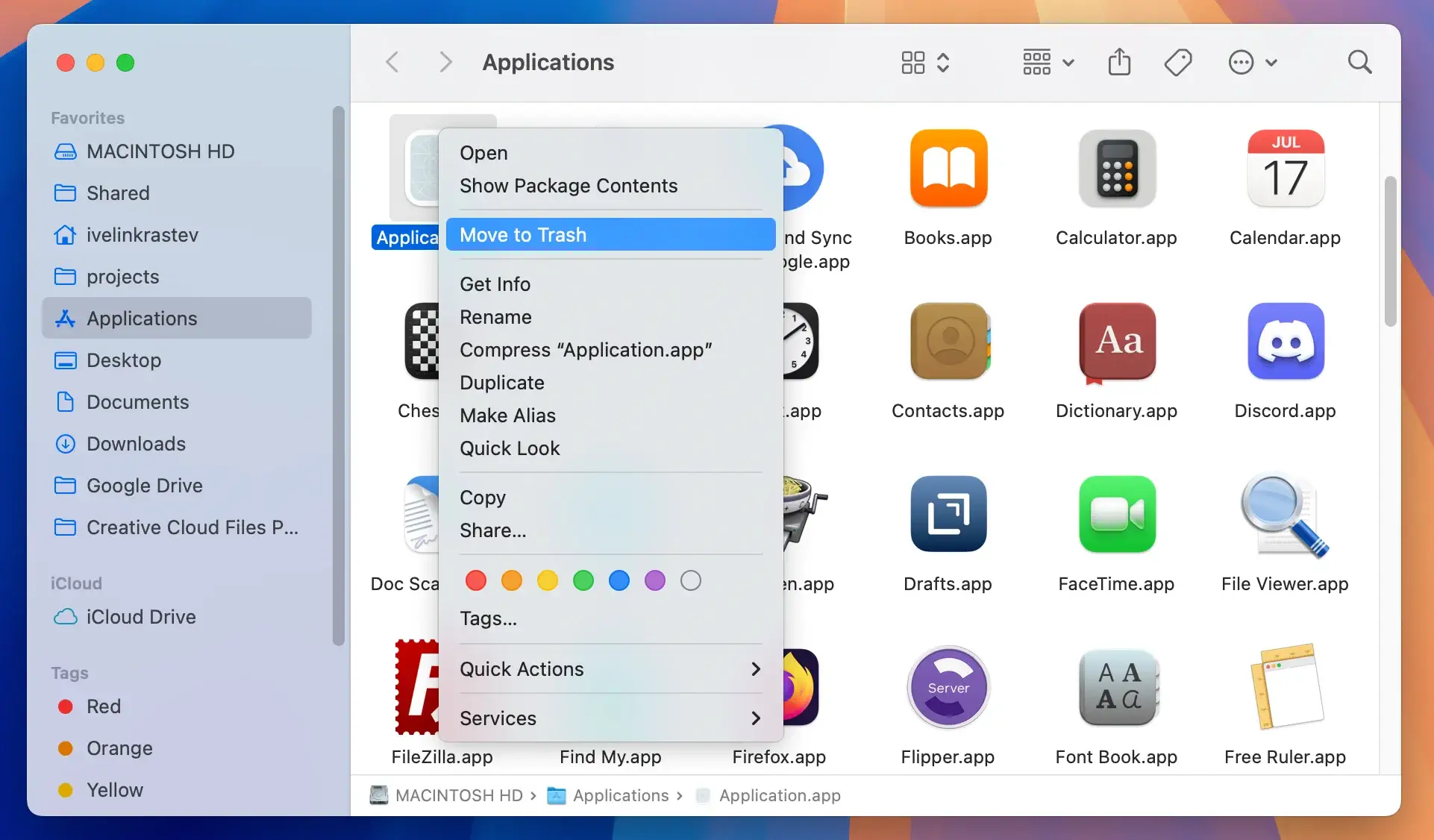
Finderand go to theApplicationsfolder. - Look for any suspicious applications you don’t remember installing, especially apps named “Tumgir” or similar.
- Right-click the unwanted app and select
Move to Trash. You may need to enter your administrator password. - Empty the
Trashto permanently delete the application.
Step 2: Remove Tumgir Adware from Your Browser
Tumgir often embeds itself in web browsers. Here’s how to remove it from popular browsers on Mac.
Google Chrome
- Open Google Chrome and click on the three dots in the upper-right corner.
- Go to
Settings > Extensions. - Look for any suspicious extensions or ones you didn’t install yourself, particularly anything related to Tumgir.
- Click
Removenext to each unwanted extension. - Next, go back to
Settingsand scroll down toReset settings. - Select
Restore settings to their original defaultsand confirm. This will restore Chrome’s default settings, removing any lingering traces of the adware.
Safari
- Open Safari and click on Safari in the top menu bar, then choose
Preferences. - Go to the
Extensionstab. - Find any unknown or suspicious extensions in the list, especially those you don’t remember adding.
- Select the unwanted extension and click
Uninstall. - Once done, go to the
Privacytab and clickManage Website Datato remove any remaining cookies and cache associated with Tumgir.
Firefox
- Open Firefox and click on the three horizontal lines in the upper-right corner.
- Select
Add-ons and themes. - In the
Extensionssection, look for any suspicious extensions. - Choose
Removefor each suspicious extension. - Go back to
Settings, scroll down toPrivacy & Security, and find theCookies and Site Datasection. - Click
Clear Datato remove any cached data that could be linked to the Tumgir adware.
Preventive Tips to Keep Your Mac Safe
Now that you’ve removed Tumgir adware, it’s wise to take some preventive measures to protect your Mac from similar threats in the future.
- Install a trusted antivirus program: A reliable antivirus tool can detect and remove adware before it becomes a problem.
- Avoid suspicious downloads: Only download software from official app stores or trusted websites. Avoid sites offering free versions of paid software, as these can often bundle adware with the download.
- Be cautious with extensions: Browser extensions can be helpful, but they’re also a common adware distribution method. Only install extensions from trusted sources, and remove any that you no longer use.
- Stay updated: Keep your macOS and all installed apps updated.
- Use ad blockers: Installing a reputable ad blocker can help reduce the risk of encountering adware. Ad blockers prevent unwanted ads from appearing and can help safeguard your browsing experience.
