

How To Remove Bar1 New Tab From Mac: Complete Guide

Before we dive in
Before we dive in, let's make sure you stay safe online. We created SpyHunter because your security matters to us.
Protect your computer today — download SpyHunter right here! Check out our top tips below to keep your computer safe and secure.

Have you noticed the presence of Bar1 New Tab each time you launch Safari, Chrome, or Firefox on your Mac? If so, you likely have a browser hijacker installed on your computer.
This comprehensive guide will explore practical techniques to help you remove Bar1 New Tab from your Mac.
What is Bar1 New Tab?
Bar1 New Tab is categorized as a browser hijacker, a type of software that can embed itself within your web browser and gain control over its settings.
Its primary goal is to take charge of the browser’s homepage and search engine settings. That way, it can display specific websites on your screen.
Bar1 New Tab is a form of malware that typically arrives bundled with files and software from unfamiliar sources, particularly those hosting pirated or cracked content.
Common indicators that your Mac has been infected with the Bar1 New Tab browser hijacker include:
- The home page of your web browser is now Bar1 New Tab.
- The new tab page of your browser has been changed to Bar1 New Tab.
- Your computer has the “Bar1 New Tab” browser extension installed.
How did Bar1 New Tab infect your Mac?
The primary method used for distributing applications like Bar1 New Tab is through a technique known as software bundling.
This means this troublesome software might have entered your Mac as an addition while installing another application downloaded from a third-party website.
However, software bundling is only one of the ways Bar1 New Tab could have infiltrated your Mac.
It could have also gained access to your device by disguising itself as a seemingly legitimate application designed to manipulate your IP address and provide access to geo-restricted websites.
Hijackers frequently employ this deceptive tactic of simulating a genuine application to gain unsuspecting users’ trust.
How to remove Bar1 New Tab?
You can follow several steps to eliminate the Bar1 New Tab hijacker from your Mac’s browser.
These include deleting the extension, adjusting the browser settings, performing a malware scan, and even resetting the browser.
Note: The instructions below may have slight variations depending on the specific browser you use and the version of macOS you have.
Step 1: Remove malicious configuration profiles
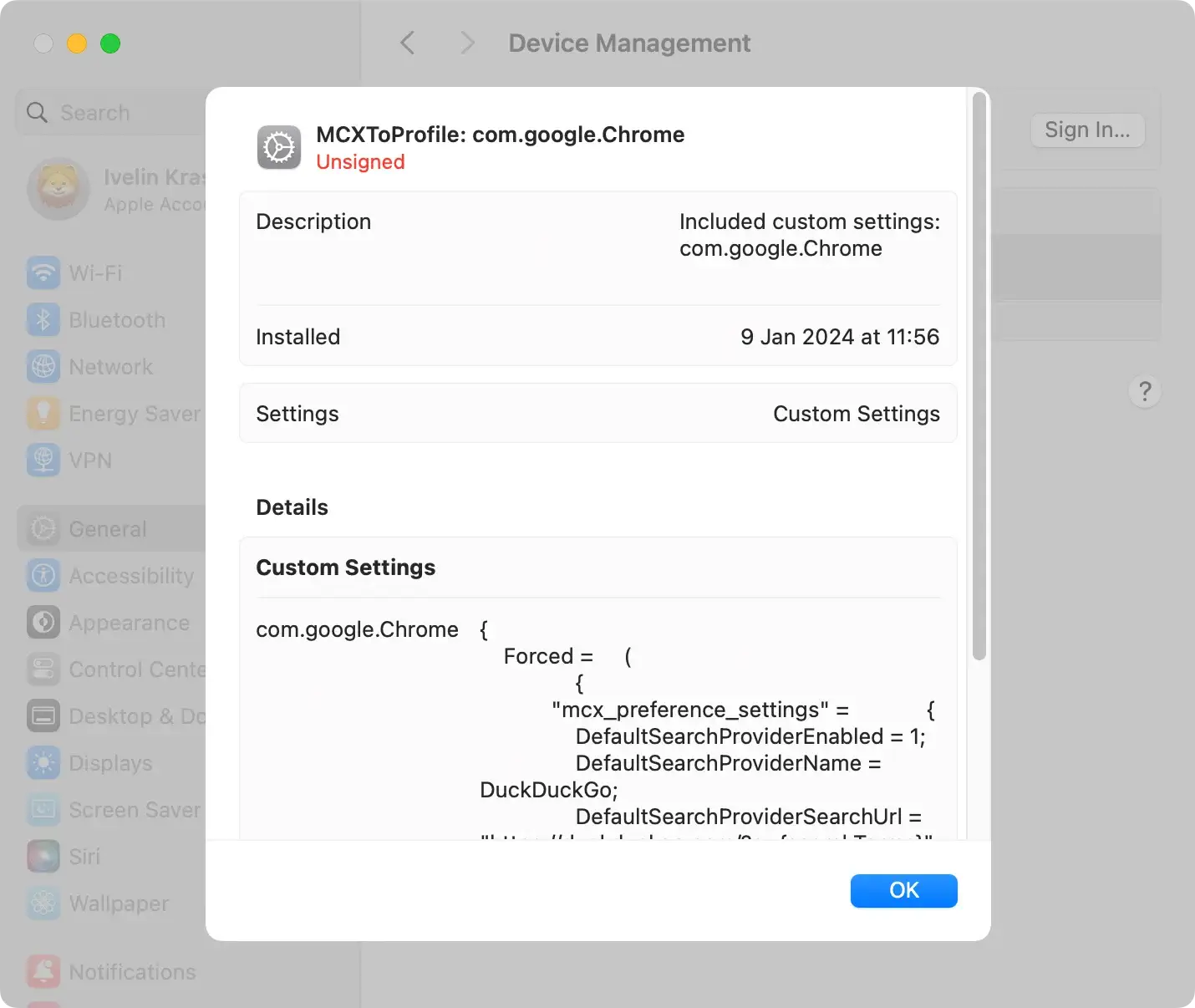
IT administrators extensively use configuration profiles in business environments to manage the behavior of their Mac devices effectively, enabling configurations that might not be achievable otherwise.
However, regarding home users, adware and browser hijackers exploit these configuration profiles to prevent users from uninstalling malicious software and altering browser settings.
Follow these steps to pinpoint and delete them:
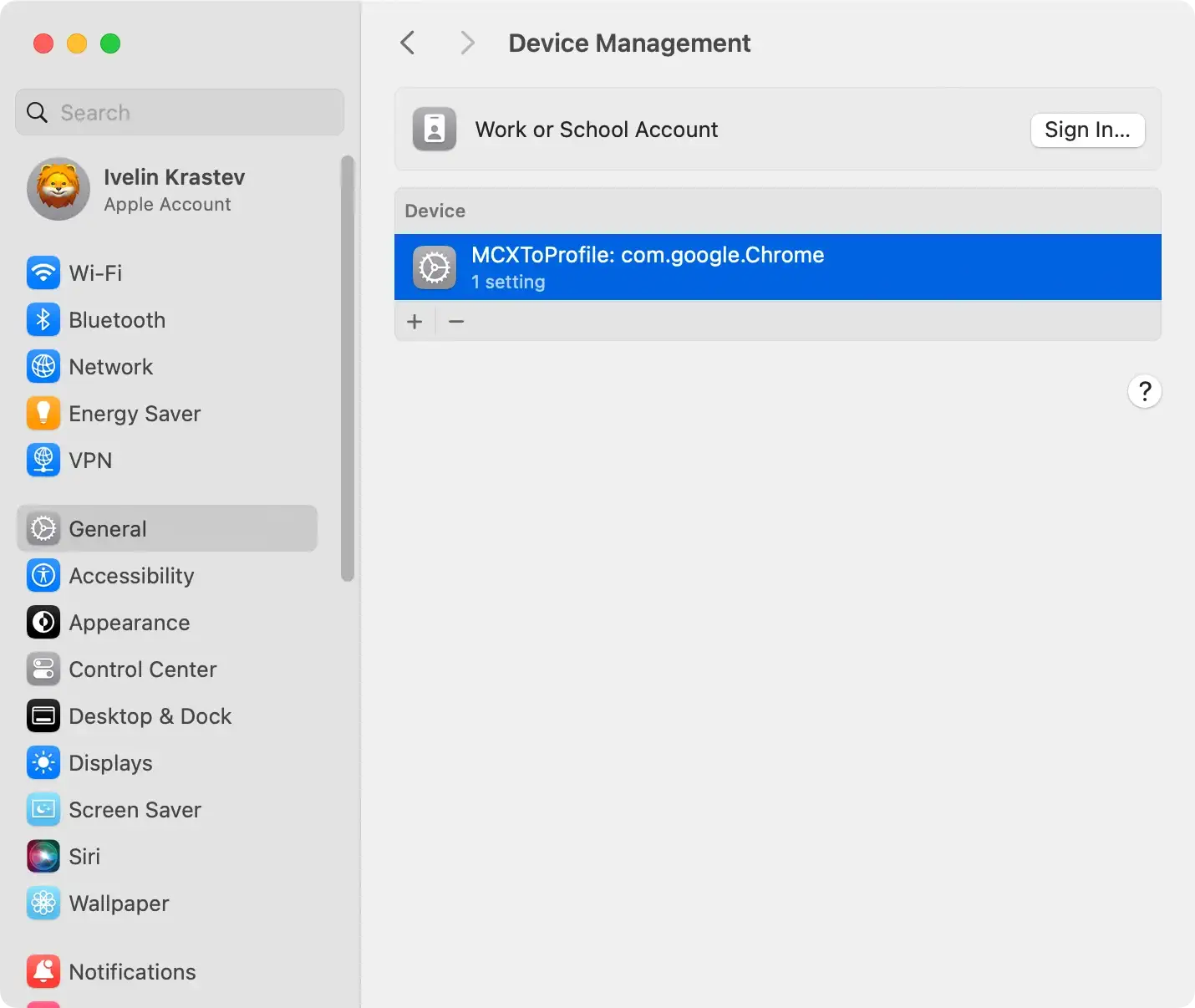
- Open
System Settingsand locate theProfilessection underPrivacy & Security. - Review the profiles and identify any suspicious ones you wish to remove.
- Click the ‘-‘ (minus) button.
- Confirm the removal and provide your administrator password if prompted.
Step 2: Remove Bar1 New Tab application
Take the following steps to locate and remove any harmful applications and files that might have been installed on your computer.
Sometimes, redirect or adware programs offer uninstall options that can be used to remove them.
We’ll explore how to uninstall apps manually or opt for a more convenient automated approach.
Note: These guidelines are practical on any Mac device, including MacBook Air, Mac mini, MacBook Pro, and iMac.
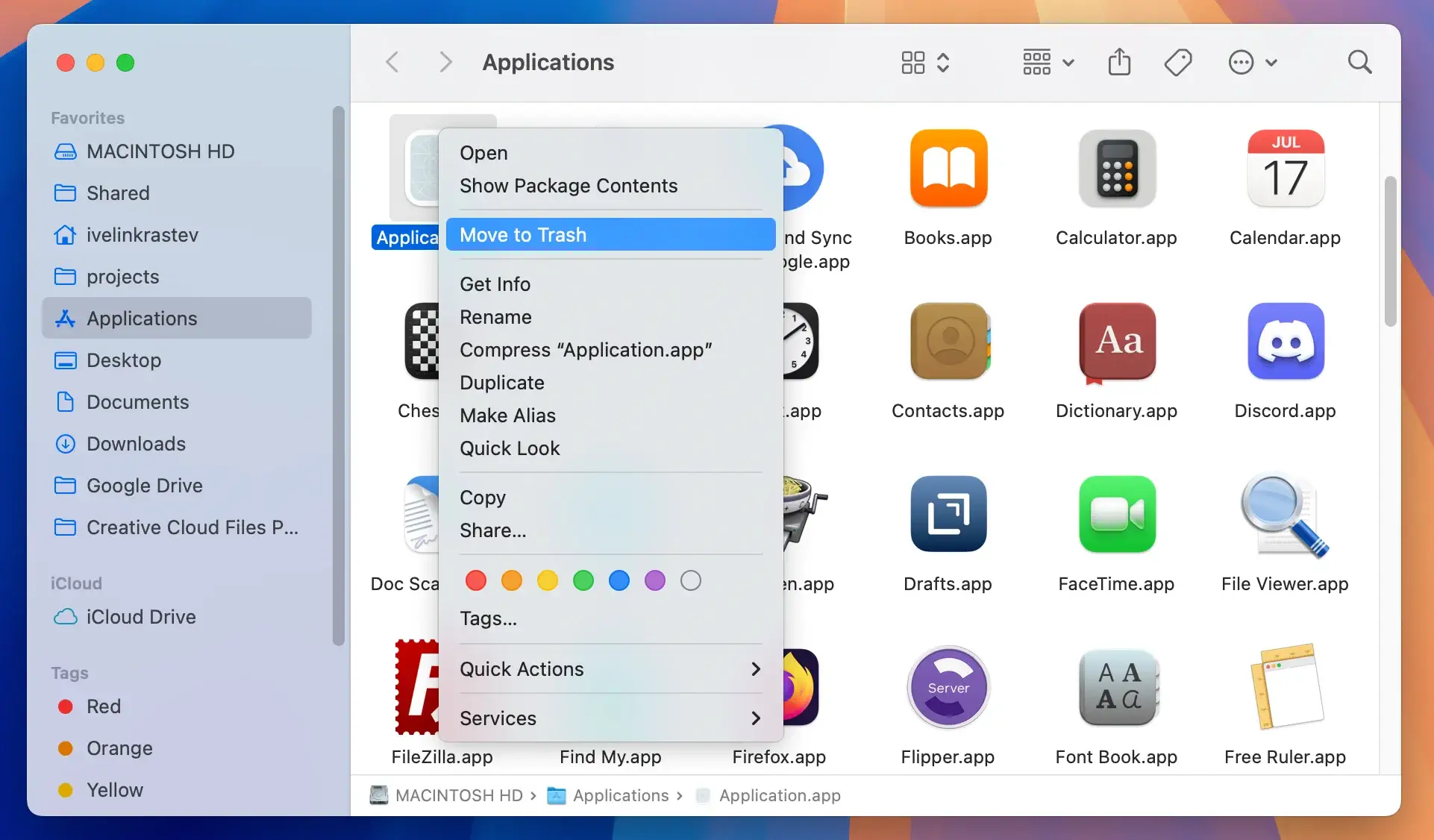
Uninstalling apps manually via Finder:
- Open
Finderand navigate to theApplicationsfolder. - Review the list of installed applications and look for Bar1 New Tab. If you cannot find it, identify any unwanted application or such that looks suspicious.
- Move the apps you pinpointed to the Trash.
- Empty the Trash to delete the software from your Mac permanently
Uninstalling apps via Launchpad
- Open
Launchpadand look for Bar1 New Tab. If you cannot find it, identify any unwanted application or such that looks suspicious. - Press the
⌥ (Option)key until the app icons start shaking. - Click the
[X]icon next to the app to delete it. Do not forget to empty the Trash.
Uninstall with confidence
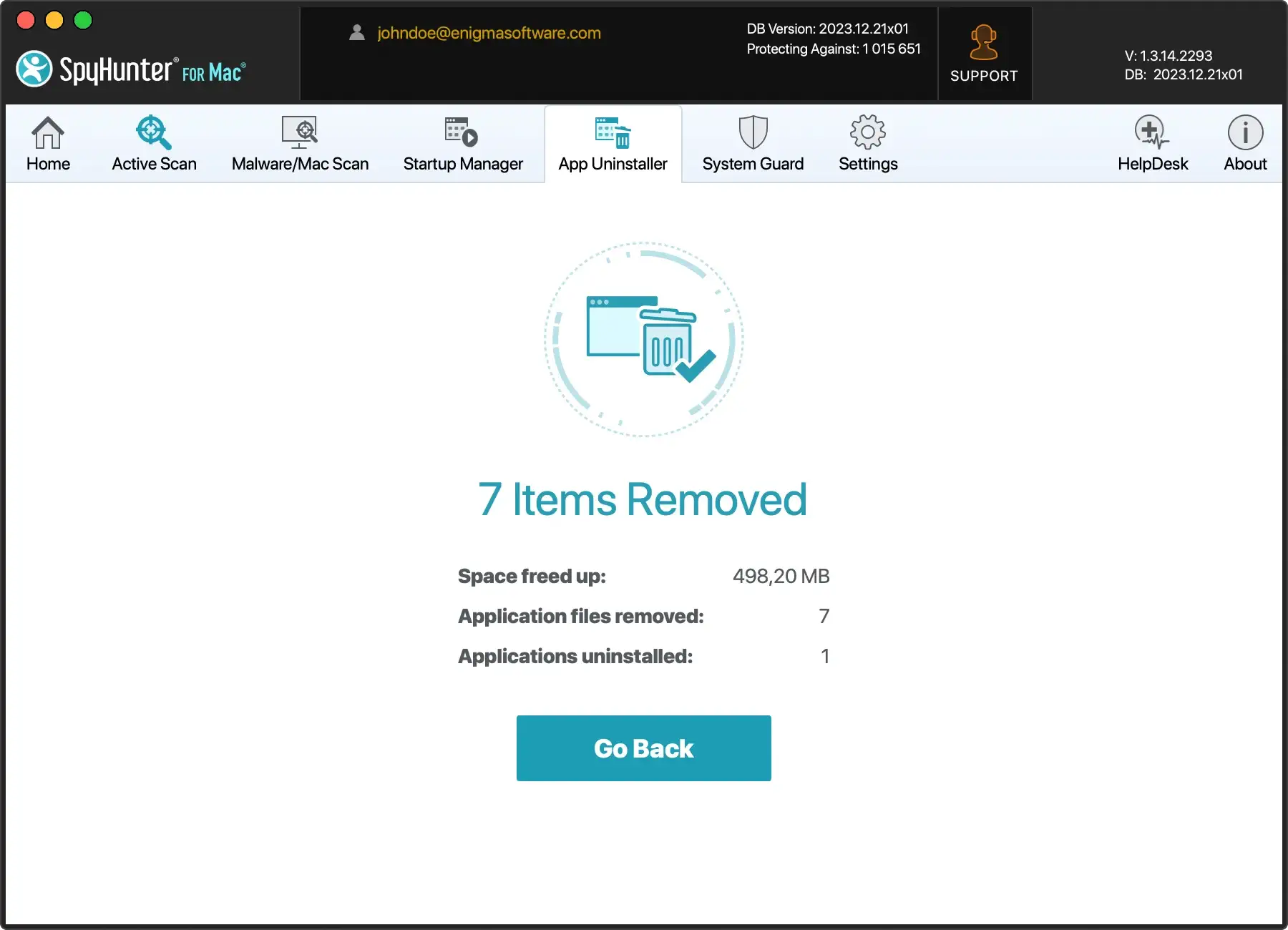
For a more comprehensive approach to app removal, consider using SpyHunter. It is a powerful anti-malware program that includes a high-tech app uninstaller.
Follow these simple steps:
- Download SpyHunter for free here and follow the installation instructions.
- Click on the App Uninstaller tab. This will initiate an automatic application scan.
- Follow the prompts provided by SpyHunter to eradicate the selected applications effectively.
Step 3: Remove Bar1 New Tab from your browser
Uninstalling Bar1 New Tab from the Applications folder may not always produce the desired results.
Remember that it is a browser extension that could remain active in your browser.
Follow these steps to manually remove Bar1 New Tab from Safari, Google Chrome, or Firefox.
Safari
- Open Safari and choose
Preferencesfrom the drop-down menu. - Click on the
Extensionstab. - Locate the Bar1 New Tab Safari extension and remove it.
Google Chrome
- Open Google Chrome.
- Type
chrome://extensionsin the address bar of the browser. - Find the Bar1 New Tab Chrome extension and remove it.
Firefox
- Open Firefox.
- Type in
about:addons - Find the Bar1 New Tab Firefox extension and remove it.
Step 4: Run an anti-malware scan
Finally, performing an antivirus scan on your Mac is crucial. This precaution is necessary because you can never be sure whether other viruses or malware were bundled with Bar1 New Tab.
Therefore, perform a comprehensive malware scan on your Mac. You can leverage the powerful anti-malware scanner provided by SpyHunter.
SpyHunter is designed to protect against highly sophisticated malware threats. It also features highly optimized system guards that keep your Mac secure.
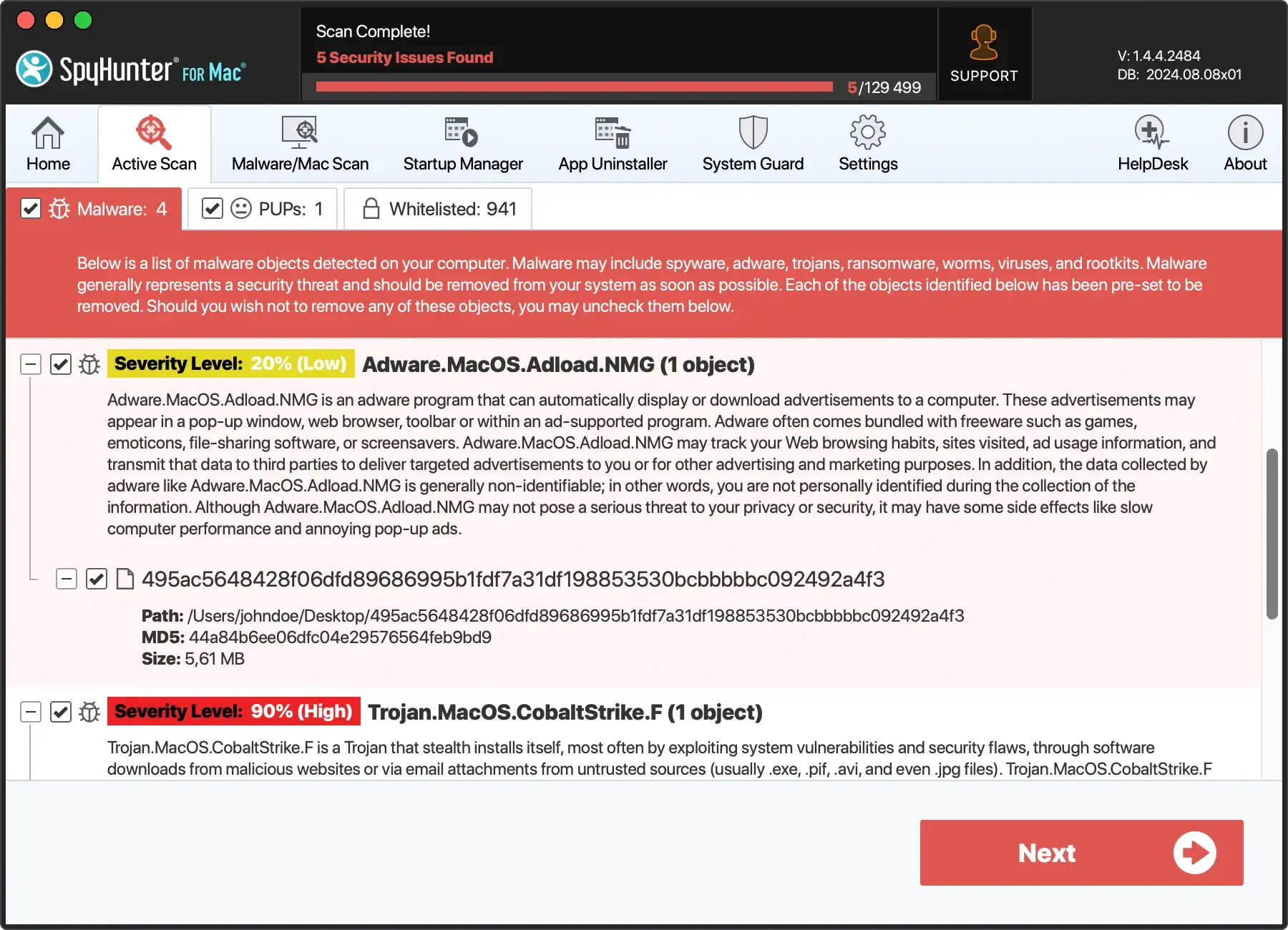
It prevents the download and execution of malware and other threats. That way, they don’t get the chance to harm your system and compromise your privacy and personal data.
To ensure the ongoing safety of your Mac, follow these steps:
- Download SpyHunter and follow the installation instructions.
- Once installed, an automatic scan will identify any remaining malware on your Mac.
- Click Next; SpyHunter will efficiently remove the threats, keeping your device safe.
How to stay safe on the internet?
Ensuring online safety is vital in an age where the internet is integral to our daily lives.
Cyber threats, malware, and phishing attacks are ever-present, but with the proper precautions, you can stay safe online.
Here are some essential tips to help you stay safe on the internet:
Use reliable antivirus software
Begin by equipping your device with trusted antivirus and anti-malware software.
Programs like SpyHunter offer real-time protection against online threats. They provide a strong defense against malicious software.
Keep your software updated
Regularly update your operating system, web browser, and installed applications.
Updates often include security patches. These sometimes fix vulnerabilities and security holes.
Be cautious when downloading
Download files and software only from trusted sources.
Avoid downloading pirated or cracked content, as it’s a standard gateway for malware infections.
Have phishing awareness
Please familiarize yourself with common phishing scams and learn to recognize their telltale signs.
Be cautious of unwanted emails that request personal information, and never click on suspicious links.
Use strong passwords
Create strong, unique passwords for your online accounts. Combine upper- and lower-case letters, numbers, and special characters.
Consider using a password manager to generate and store your complex passwords securely.
Adjust privacy settings
Review and adjust privacy settings on social media platforms and other online accounts.
Limit the personal information you share publicly to reduce exposure to potential threats.
Enable two-factor authentication (2FA)
Whenever possible, enable 2FA for your online accounts.
This adds an extra layer of security, requiring a second authentication method beyond your password.
Make regular backups
Regularly back up your important data to an external drive or a secure cloud service.
In the event of a cyberattack, having a recent backup can prevent data loss.
These best practices can significantly enhance your online security and reduce the risk of cyberattacks. Remember, internet safety is an ongoing commitment.
Staying informed about evolving threats is crucial to maintaining a secure online presence.
Frequently asked questions
What is malware? And what defines a browser hijacker?
Malware is a broad term encompassing various types of malicious software, including viruses, spyware, ransomware, and adware. Its primary purpose is to damage or gain unauthorized access to computer systems.
On the other hand, a browser hijacker is a form of malware that takes control of a web browser’s settings, often changing the homepage search engine or displaying unwanted ads.
Its goal is to direct web traffic to specific sites or generate revenue through ads.
How can I protect my computer from malware?
To protect your devices from malware, you should use anti-malware software like SpyHunter to prevent the execution and spread of malicious software.
Furthermore, you should keep your operating system and applications up-to-date, avoid downloading files from suspicious sources, and exercise caution when clicking links or downloading attachments in emails.
What should I do if my computer is infected with malware?
If you suspect your computer has malware, download SpyHunter, run a full antivirus scan, and follow the removal steps provided by the app.
You may also need to reset your browser settings. In severe cases, consider contacting the support team via SpyHunter’s Spyware HelpDesk.
Why is my Mac running slower over time?
A crashing and freezing device is a core symptom of potentially having malware. SpyHunter’s advanced proprietary anti-malware engine is designed to detect the latest malware threats.
SpyHunter’s automated and easy-to-use removal engine allows novice and expert users to effectively remove different kinds of threats.
Also, your Mac generates and stores various files as you use it. However, these files, such as caches and temporary data, can accumulate and eventually slow down your Mac.
To combat this slowdown, you can use SpyHunter’s integrated optimization tools to declutter your Mac, improving its performance.
