

How to Remove AccessibleInput From Mac [Complete Guide]

Before we dive in
Before we dive in, let's make sure you stay safe online. We created SpyHunter because your security matters to us.
Protect your computer today — download SpyHunter right here! Check out our top tips below to keep your computer safe and secure.

AccessibleInput is categorized as a potentially unwanted program (PUP), often described as adware or a browser hijacker.
This dubious software typically infiltrates computers without users’ authorization and starts manipulating browser settings – significantly diminishing the browsing experience.
It leads to an altered homepage, search engine changes, and an invasion of unwelcome advertisements.
This in-depth guide will delve into practical methods to help you remove AccessibleInput from your Mac.
Description of AccessibleInput
AccessibleInput, posing as a genuine tool, deceives users with its seemingly harmless facade before revealing its malicious nature upon infiltration.
Notably, its intrusive behavior is not confined to merely displaying unwanted ads; it also employs browser extensions or standalone applications to compromise Mac systems.

The danger lies in the intrusive ads, the potential endorsement of harmful software, the dissemination of deceptive software updates, and the promotion of tech-support scams.
As such, vigilance and prompt action are essential to thwart AccessibleInput’s detrimental impact on your system and protect your online security.
Methods of AccessibleInput infiltration
Here are the key ways through which AccessibleInput manages to sneak onto macOS systems:
- Bundling with Free Software: AccessibleInput often comes packaged with other freeware or shareware applications that users download online. This method involves AccessibleInput hitching a ride with seemingly harmless applications, thereby gaining entry without explicit user consent.
- Hidden During Installation: During the installation process of the primary software, AccessibleInput remains cleverly hidden within the bundle. This obscurity surprises many users, as the adware does not clearly disclose its presence.
- Exploiting User Oversight: The infiltration strategy capitalizes on users’ haste and lack of attention during installation. Many users eager to use the main application may skip through installation steps without realizing they are also approving the installation of AccessibleInput.
Symptoms of AccessibleInput infection
The symptoms exhibited by a system compromised by AccessibleInput are quite noticeable:
- Your default web browser’s search engine changes to AccessibleInput Search., redirecting queries through search.yahoo.com to generate ad revenue.
- Notice frequent redirects of your browser’s queries through AccessibleInput Search.
- The presence of the “AccessibleInput” browser extension or application on your Mac.
- The sudden opening of new browser tabs that display ads pushing software sales, false software updates, and tech-support scams.
How to remove AccessibleInput on Mac
Proper procedures for removing AccessibleInput involve a meticulous approach to ensure no residual adware components are left behind on the system.
Here are detailed steps that guide you through the process:
Remove malicious profiles
Malicious profiles installed by AccessibleInput on your Mac allow the adware to persist and resist removal attempts.
Therefore, the first step to eradicate AccessibleInput is to find and remove these harmful profiles.
- Open
System Settingsand locate theProfilessection under thePrivacy & Securitytab.
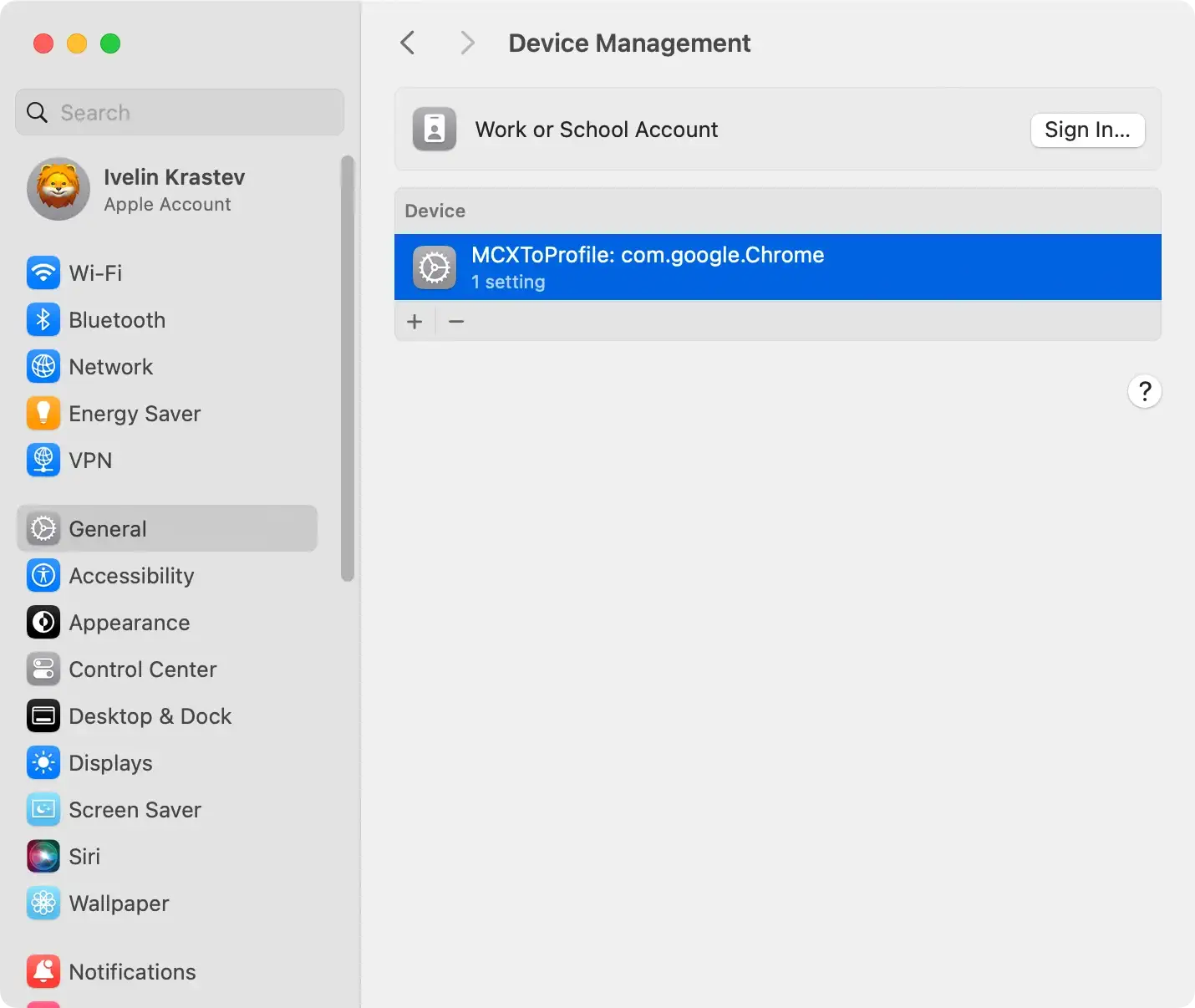
- Review the profiles and check for any suspicious ones related to AccessibleInput.
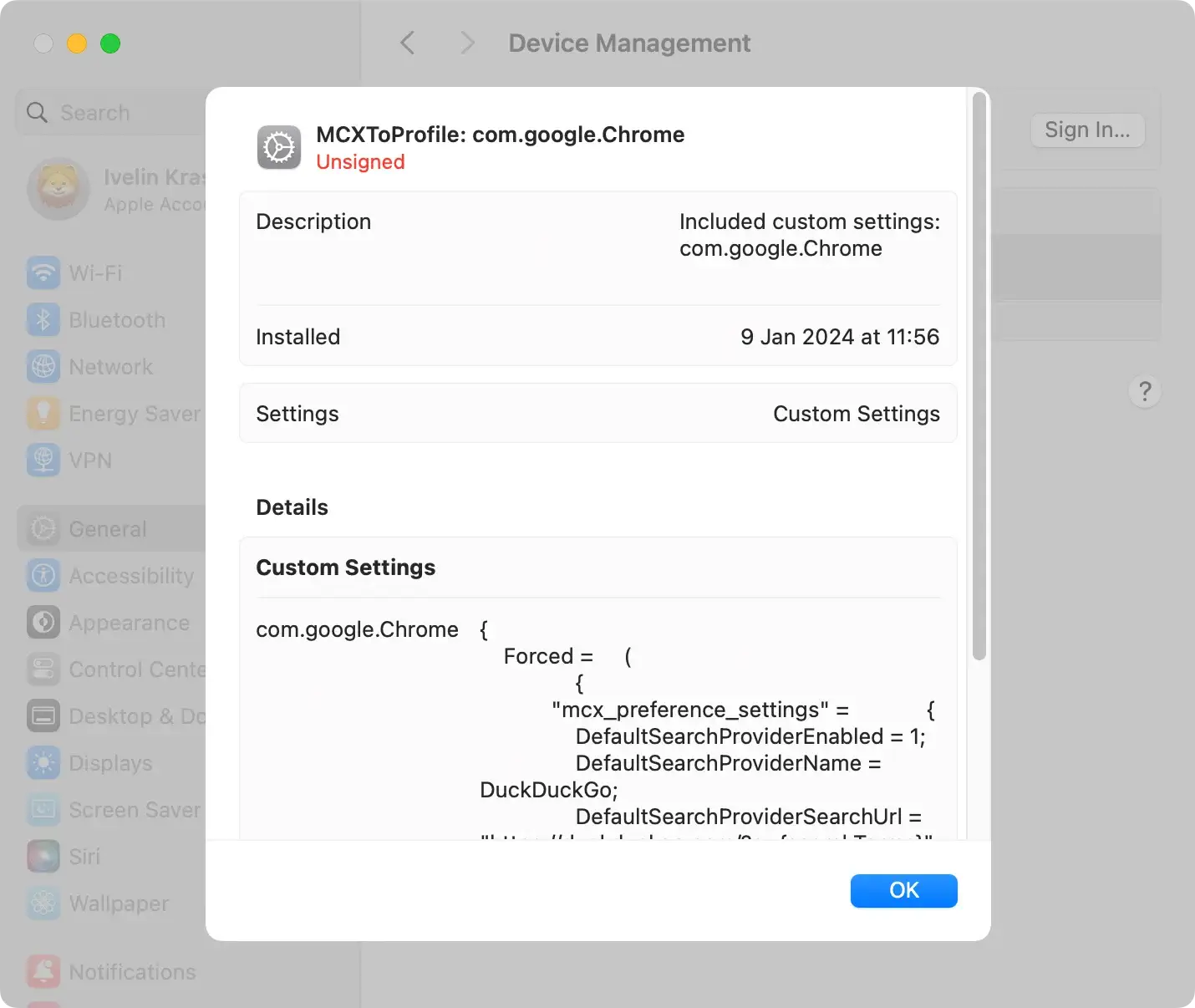
- Click the ‘-‘ (minus) button.
- Confirm the removal of the selected profiles. Remember to validate your action by supplying your Mac’s admin password when prompted.
Delete AccessibleInput and its related files
After removing the malicious profiles, the next step is to remove AccessibleInput and any related files from your Mac. We’ll analyze how to uninstall apps manually or opt for a more convenient automatic method.
Note: These guidelines are practical on any Mac device, including MacBook Air, Mac mini, MacBook Pro, and iMac.
- Open
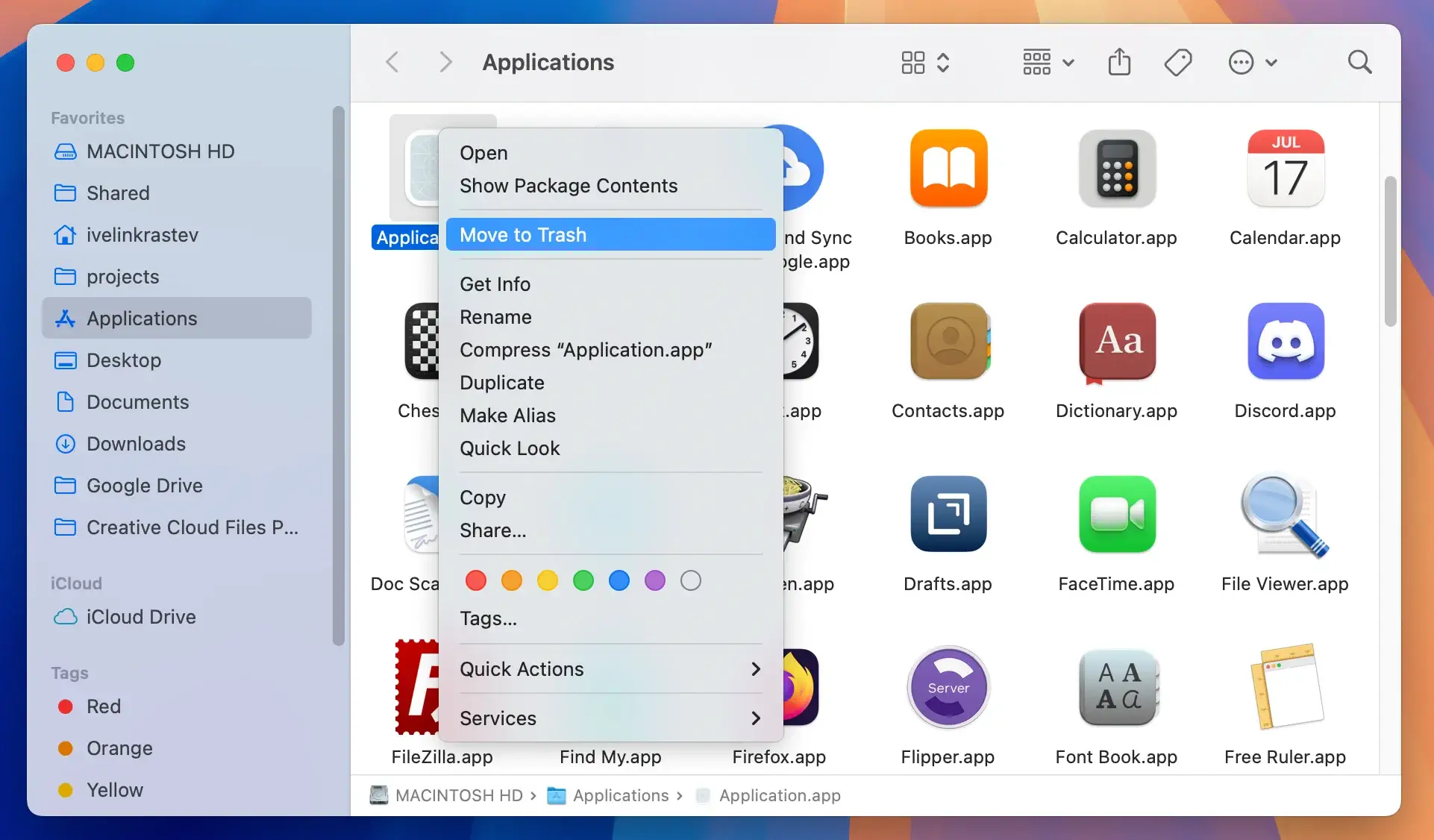
Finderand navigate to theApplicationsfolder. - Review the list of installed applications and look for AccessibleInput. If you cannot find it, identify any unwanted application or such that looks suspicious.
- Right-click on the app you want to remove and select
Move to Trashor drag it into the Trash. - Empty the Trash.
Uninstall with confidence
For a more comprehensive approach to app removal, consider using SpyHunter. It is a powerful anti-malware program that includes a high-tech app uninstaller.
Follow these simple steps:
- Download SpyHunter from here and install it.
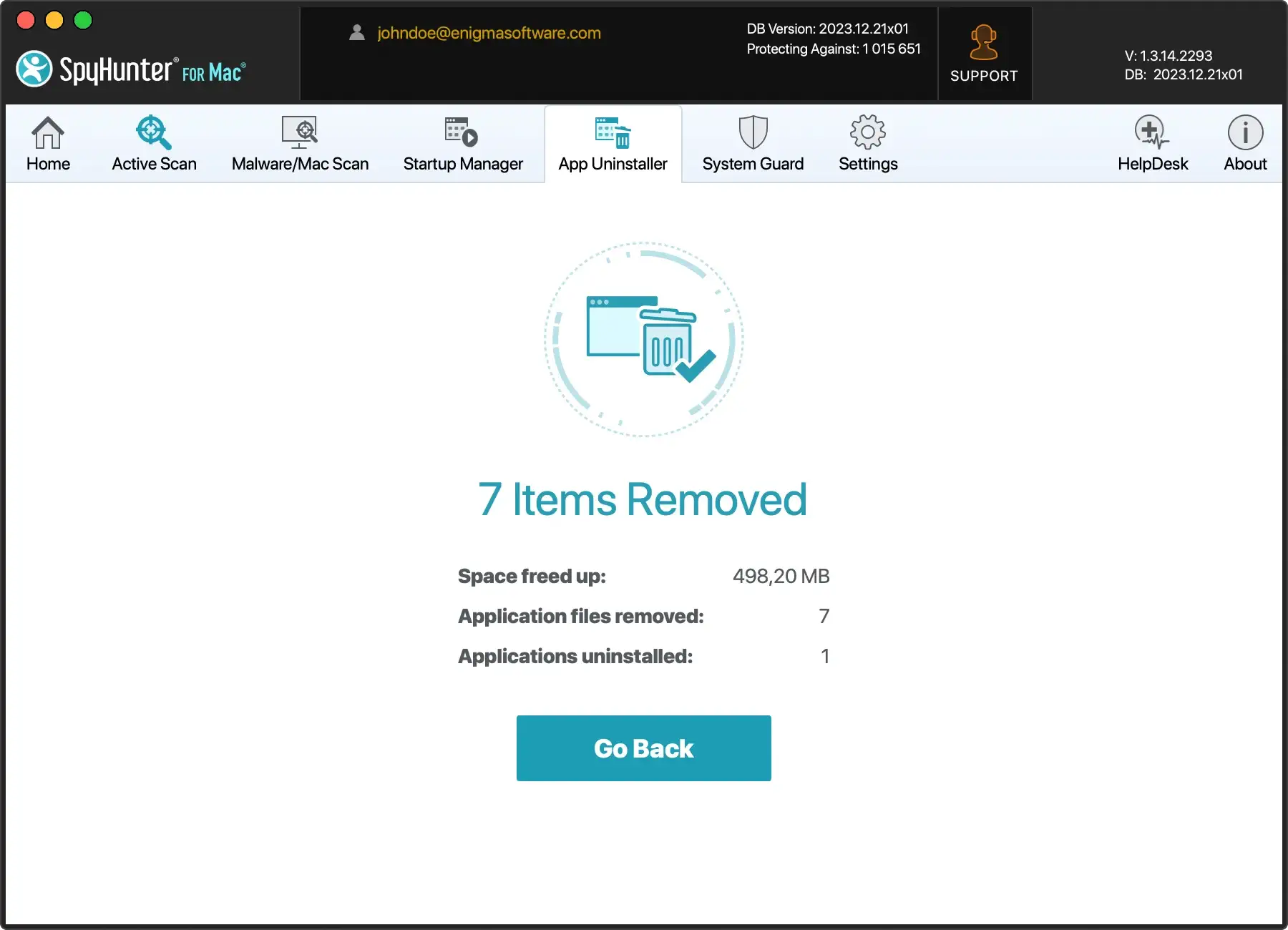
- Click on the App Uninstaller tab to initiate an automatic application scan.
- Select the applications you want to remove.
- Follow SpyHunter’s prompts to fully remove them from your system.
Run an anti-malware scan
Once you’ve purged the malicious profiles and applications, a trusted anti-malware tool like SpyHunter is needed to eliminate any remaining traces of AccessibleInput and other potential threats.
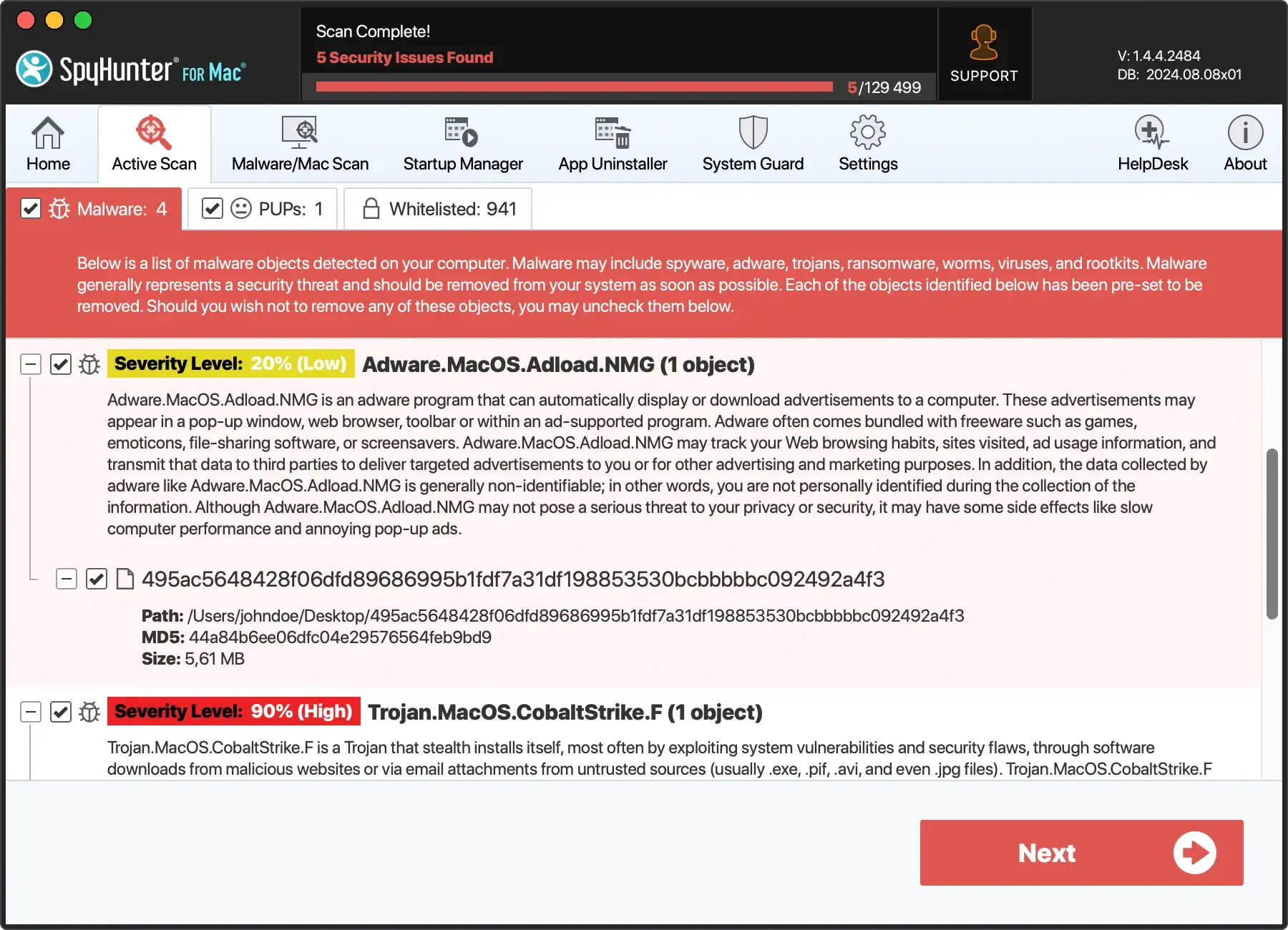
Download SpyHunter from here and install it on your Mac. Run a full system scan to detect all malware components lingering on your system. Select them and quarantine them with a single click.
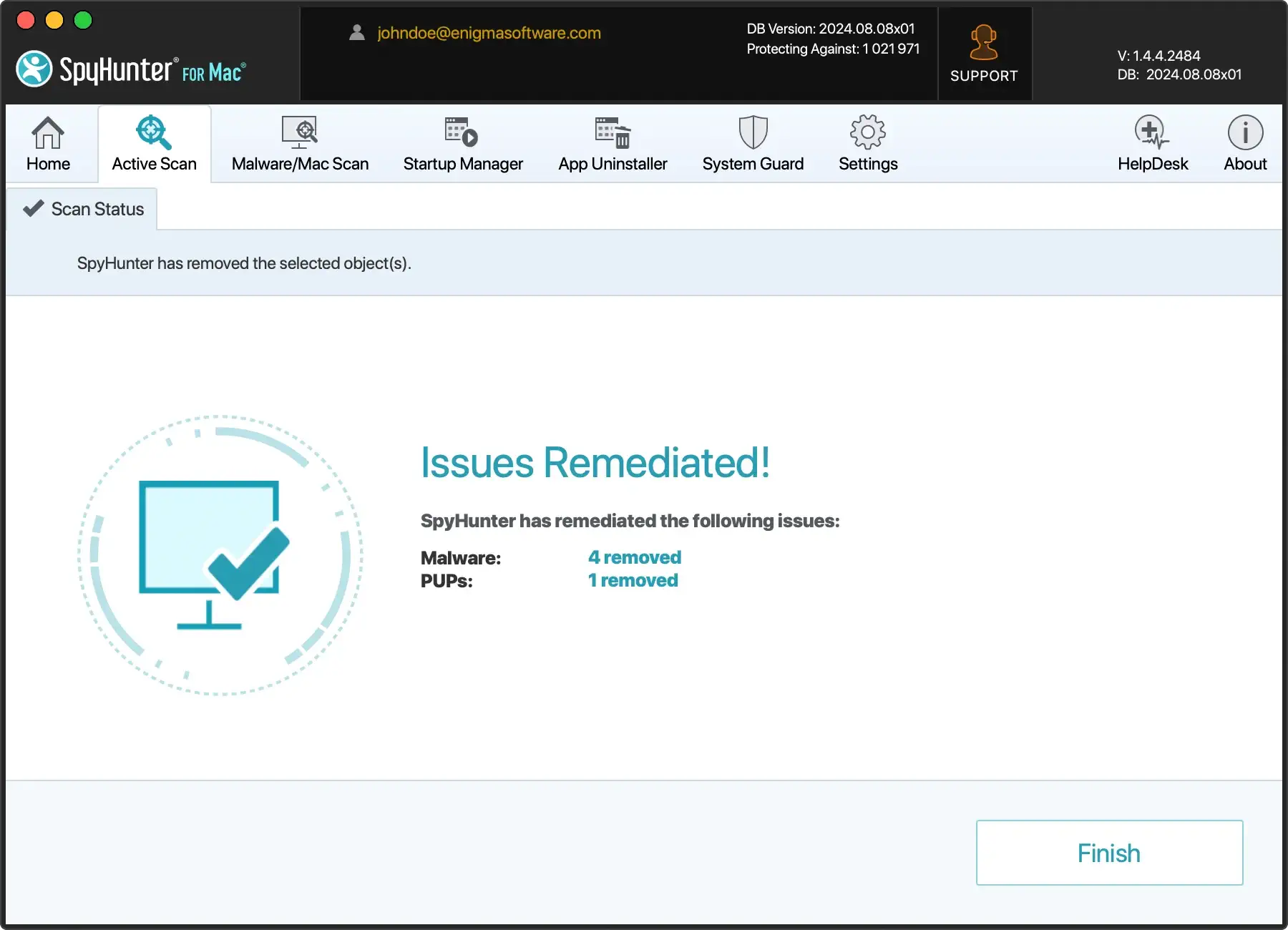
SpyHunter is developed to safeguard against highly refined malware threats. It also features highly optimized system guards that keep your Mac protected.
It prevents the download and execution of malware and other threats. That way, they don’t get the chance to harm your system and steal your data.
Remove AccessibleInput from your browsers
After you remove AccessibleInput and related files from your Mac, the next step involves purging the adware from your web browsers.
This process eliminates the AccessibleInput extension, its search engine variant, and any spam browser notifications. Each browser has a unique procedure for achieving this.
Safari
- Launch Safari and navigate to
Preferencesin the Safari menu - In the Preferences window, select the
Extensionstab - Locate any extensions related to AccessibleInput and uninstall them
- To reset your search engine and homepage, go to the
Generaltab, set your preferred homepage, and ensure your search engine of choice is selected - Clear your browser history and website data to complete the cleanup
Google Chrome
- Open Chrome and click on the three-dot menu button at the top-right corner
- Select
More Toolsand thenExtensions - Find the AccessibleInput extension and remove it
- Go to
Settingsand scroll down to theSearch Enginessection. Change it back to your preferred one - Clear your browsing data from the
Privacy and Securitysettings to ensure all traces are removed
Mozilla Firefox
- In Firefox, click the three-line menu button at the top-right corner
- Select
Add-onsand identify the AccessibleInput extension. Remove the pinpointed extensions - Navigate to
Options > Searchto reset your default search engine - Clear your browsing history and website data from
Options > Privacy and Securitysettings to finalize the removal process
By following these steps in each respective browser, you can ensure that the AccessibleInput extension is completely removed and your browser settings are restored to their preferred configurations.
Tips if standard steps fail
Sometimes, a standard removal process may only partially free your system of AccessibleInput.
In such instances, there are additional steps you can perform to ensure your browsers are free from adware.
Workaround for greyed-out Safari homepage
If your Safari homepage settings are greyed out after you remove AccessibleInput, it indicates that the adware controls your browser settings.
To regain control, navigate to the system profiles, try to locate any suspicious profiles that may still be present, and remove them. Once removed, you should be able to regain control over your Safari settings.
Remove unwanted policies from Chrome
Google Chrome has a unique feature that allows administrators to set policies. Malware like AccessibleInput uses this feature to resist removal attempts.
To check for such policies, type chrome://policy into the address bar and press enter. If any policies exist, they’ll be displayed there. Follow Google’s guide for removing unwanted policies to eliminate them.
Reinstall Google Chrome
If AccessibleInput persists in Chrome even after the above steps, a reinstallation of Chrome can be an effective solution. Uninstall Chrome from your system, ensuring your browsing data is synced with your Google account for easy restoration.
After successfully uninstalling, download a fresh copy of Chrome from the official website and reinstall it. After that, your synced data can be restored by logging into your Google account in Chrome.
Restore Firefox Default Settings
If the malware proves stubborn in Firefox, consider refreshing it back to its default settings.
Firefox has a built-in Refresh feature that can restore your browser settings to their default state while preserving essential information like bookmarks, browsing history, passwords, cookies, and web form auto-fill data.
Locate this function in Firefox’s troubleshooting information page.
