

Remove UltraSearch Engine (Complete Virus Removal Guide)

Before we dive in
Before we dive in, let's make sure you stay safe online. We created SpyHunter because your security matters to us.
Protect your computer today — download SpyHunter right here! Check out our top tips below to keep your computer safe and secure.

Ever found your web browser acting strangely, redirecting you to pages you never meant to visit?
You might be dealing with the UltraSearch Engine, a type of unwanted software that targets Mac users, meddling with their browser settings for profit.
This article explains the UltraSearch Engine, why it hijacks your browser and provides comprehensive steps to rid your system of it. You’ll learn how to spot, remove, and prevent such invasive software from affecting your online experience.
Understanding these threats is crucial for maintaining a clean and efficient computer. Let’s get you back in control of your digital browsing!
What exactly is the UltraSearch Engine?
The UltraSearch Engine identifies as a browser hijacker that specifically targets Mac users, compromising their web browsing integrity.
This malicious software is typically installed unwittingly and springs into action without prior consent from the user. Its primary function is to alter the default settings of internet browsers.
Once active, the UltraSearch Engine modifies the set home page and default search engine, redirecting searches to its affiliate pages.
Users find their searches redirected through search.initialunit.com, funneling them finally to search pages powered often by Yahoo. This tactic is commonly employed to generate revenue through ad placements and increased traffic under the facade of legitimate search results.
Furthermore, this hijacker extends its disruption by installing an unwelcome browser extension or program labeled “UltraSearch Engine.”
This extension plays a central role in perpetuating the software’s malicious activities, primarily by promoting continuous advertisement pop-ups, including those pushing dubious tech support services and software sales.
Why does UltraSearch Engine hijack your browser?
Browser hijackers like UltraSearch Engine manipulate your web browsing experience for profit.
When the UltraSearch Engine extension or program is installed on your device, typically without your clear consent, it starts controlling your browser settings.
This is done to push ads and redirect your searches through specific routes that generate revenue for the hijacker’s creators.
This sort of program often finds its way onto computers through bundled software installations or deceptive online ads.
If custom options are overlooked during software setup, unwanted programs like UltraSearch Engine are installed alongside the intended software.
The program then modifies your browser setup, changing your homepage or default search engine, to control your online searches and display continuous advertisements.
How to remove UltraSearch Engine from Mac
The UltraSearch Engine hijack can be troublesome, redirecting your searches and slowing down your computer.
Here’s a structured plan to remove this annoyance from your system comprehensively.
Begin with a system check-up
Start by reviewing your system’s overall health.
Check for unusual behavior, such as slow system performance, unexpected ads, or browser redirection. This initial observation helps target the specific areas affected by malware or hijackers like UltraSearch Engine.
Manually locate and remove harmful software
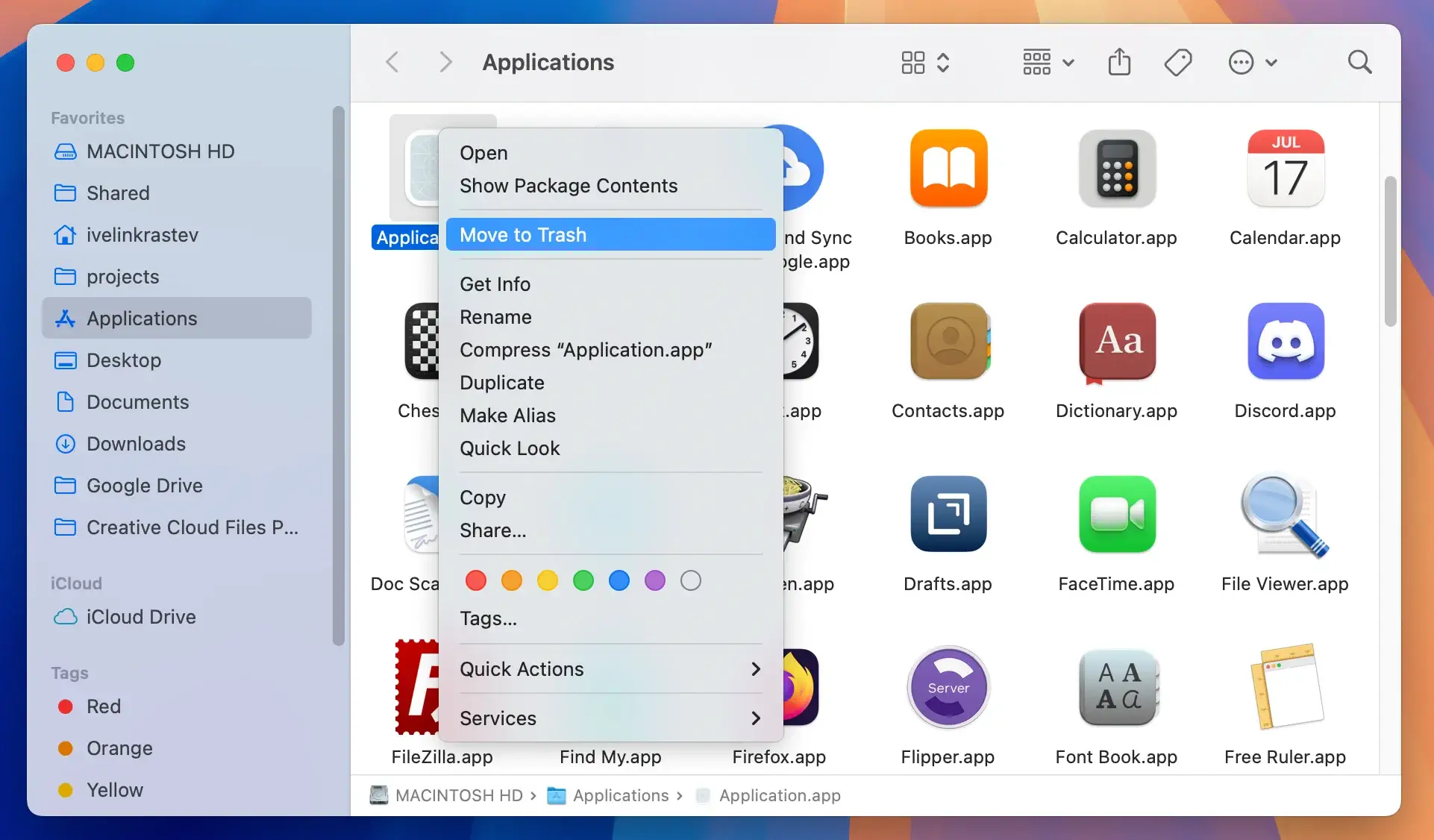
Manually check your Applications folder for any unknown software installed.
Go to Finder > Applications and drag any suspicious applications to the Trash.
Next, visit ~/Library/Application Support and ~/Library/LaunchAgents to delete any residual files related to unwanted programs.
Use SpyHunter to secure your system from UltraSearch threats
For a thorough cleanup, use SpyHunter. This software specializes in removing malware, ransomware, and other threats.
Here’s how:
- Download SpyHunter for free here
- Double-click the downloaded file to start the installation.
- Follow the prompts to install SpyHunter on your system.
- Open the program and select “Scan Now” to begin the detection process.
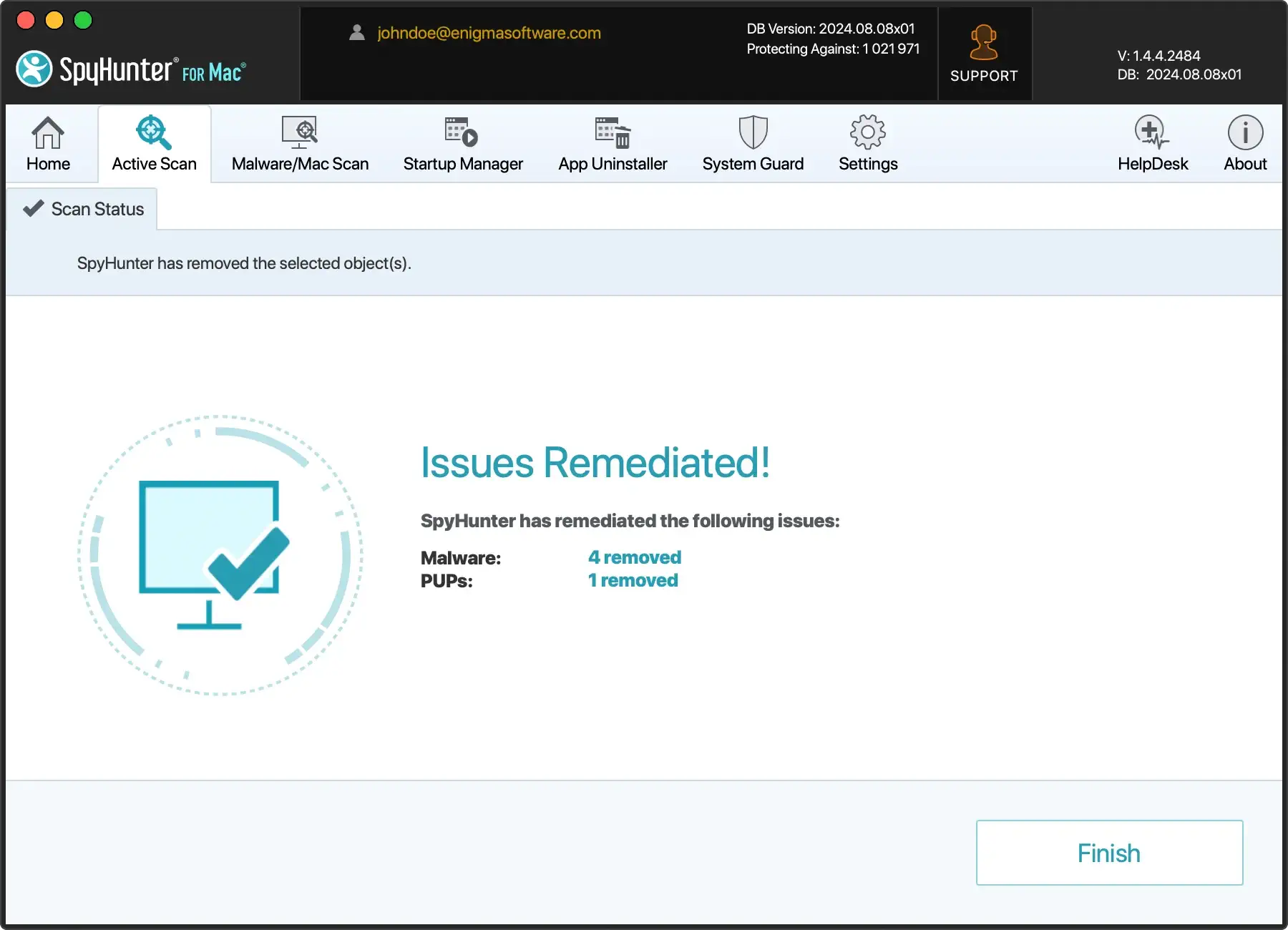
- Once the scan is complete, follow the instructions to remove any detected threats, including the UltraSearch Engine hijack.
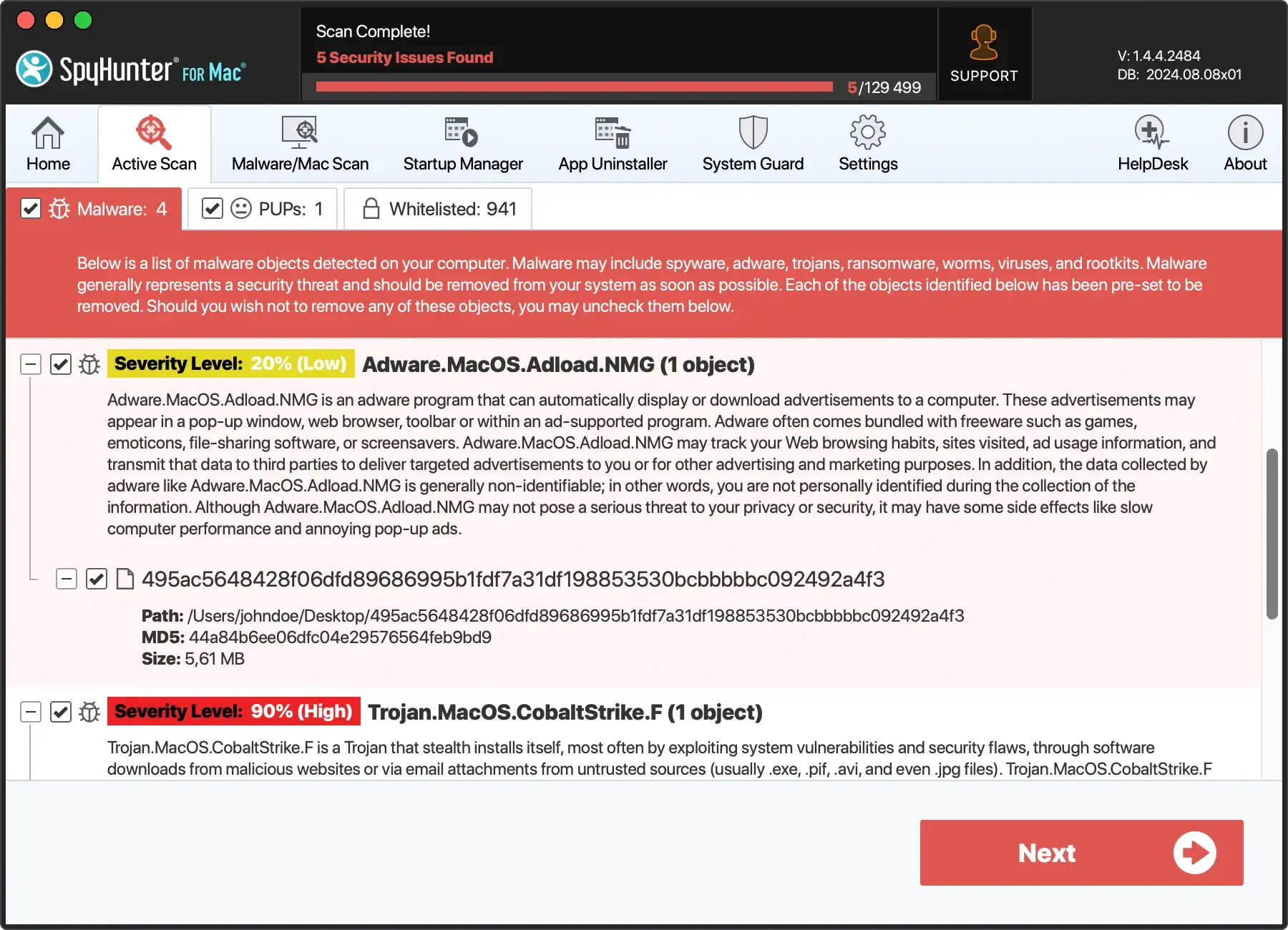
This software not only cleans your system but also provides real-time protection against future risks.
Cleaning up browsers: Safari, Chrome, and Firefox
For Safari
Eliminate unwanted extensions by opening Safari and navigating to Preferences > Extensions. Uninstall anything related to UltraSearch.
Next, ensure your homepage and search engine settings are reset to your preference through the General tab and Search tab respectively.
For Google Chrome
In Chrome, access Settings through the menu icon.
Navigate to Extensions and remove any unfamiliar or unwarranted extensions.
To reset the homepage and search engine, go back to settings, click on On start-up and Search engine respectively, making sure all configurations are set to your liking.
For Mozilla Firefox
For Firefox, go to the menu, choose Add-ons and select Extensions. Remove any trace of UltraSearch or unknown extensions.
Reset your homepage by navigating to Options > General, and adjust your startup and homepage settings there.
Clearing your browser of residual data can also be helpful. Navigate to Options, click on Privacy & Security and then Clear History to wipe traces of the hijack.
How did UltraSearch Engine end up on my computer?
UltraSearch Engine often finds its way onto computers through several common but sometimes deceptive methods. Understanding these can help you prevent unwanted installations in the future.
One typical method is software bundling. Many free software downloads include additional programs automatically selected for installation.
If you rush through the setup process using default settings, you might unknowingly install browser hijackers like UltraSearch Engine.
Another route is through misleading advertisements. These ads might appear as system alerts or software update prompts. Clicking on them can trigger an unwanted download and installation.
Visiting questionable websites or downloading apps from unofficial stores also increases the risk of such unwanted installations. These sites often host links or buttons that, when clicked, can download harmful software without your knowledge.
To safeguard your computer, always choose Custom or Advanced installation options during software setup.
This allows you to deselect any unwanted bundled software. Be vigilant about what you click on and ensure your downloads come from reputable sources.
Protecting your system from unwanted hijackers like UltraSearch Engine
Keeping your computer free from browser hijackers such as UltraSearch Engine requires both vigilance and the right preventive measures.
While these unwanted applications often find their way onto systems through deceptive tactics, having a robust defensive strategy can safeguard your digital environment.
Providing your devices with strong protective software like SpyHunter helps prevent the installation of such intrusive software.
Downloading and installing SpyHunter is straightforward and can greatly assist in maintaining your system’s integrity.
It detects and removes hijackers effectively, minimizing risk to your personal data and browsing experience. You can download SpyHunter here.
Best practices for computer safety and security
Adhering to best practices is essential for ensuring computer safety and maintaining control over your personal information.
Always download software from reputable sources and ensure your operating system and applications are regularly updated. This minimizes vulnerabilities that could be exploited by malware or hijackers.
Furthermore, it is advisable to use comprehensive cybersecurity software like SpyHunter, which provides real-time protection against threats and regularly scans your system to ensure safety.
Regularly reviewing the extensions and apps installed on your browsers also helps in identifying and removing any suspicious additions that might compromise your system’s security.
