

How to Remove Syncserviced on Mac [Instructions Included]

Before we dive in
Before we dive in, let's make sure you stay safe online. We created SpyHunter because your security matters to us.
Protect your computer today — download SpyHunter right here! Check out our top tips below to keep your computer safe and secure.

Unusual computer behavior can often be a telltale sign of malware lurking in your system, and Mac users are not immune. If you’ve noticed your Mac acting strangely, experiencing frequent pop-ups, a sluggish performance, or unexpected changes to your browser settings, it could be a sign of a syncserviced infection.
Syncserviced is a piece of adware that masquerades as a legitimate process, making it harder to detect and eliminate. The article includes information concerning the nature of this malware and detailed steps on how to remove syncserviced from your Mac.
What is syncserviced on Mac?
Syncserviced is a malicious process on macOS, sharing behaviors with adware and browser hijackers. These types of malware inject unwanted ads, redirect searches, and sometimes steal data. The ultimate goal of adware is to generate revenue for its maker, while displaying potentially
The appended letter “d” in “syncserviced” suggests it might function as a daemon, indicating it runs in the background as a persistent process, making it more challenging to detect and remove.
How can syncserviced infect your Mac?
Syncservice can infiltrate your Mac through different means, but the most common ones include:
- Bundling: This is one of the most common tactics. Adware is often bundled with legitimate software, especially free applications. Users may unknowingly install syncserviced when they rush through the installation process without scrutinizing the included software packages.
- Rogue Websites: Malicious websites can trigger drive-by downloads or fake software updates. These sites often masquerade as official pages for popular applications or services, tricking users into downloading malicious payloads.
- Bad Download Locations: Downloading software from unofficial, third-party websites or using peer-to-peer file-sharing networks can expose your Mac to adware like Syncservice. These sources often lack the rigorous security checks of official app stores, increasing the risk of malware infection.
Signs of infection with syncserviced
Indicators that syncservice may have infected your Mac include:
- Altered Browser Behavior: If your default search engine or homepage changes without your consent, it’s a clear sign of a browser hijacker. Syncserviced may redirect your web traffic to malicious websites or inject ads into legitimate web pages.
- Persistent Pop-ups: An unusual increase in pop-up ads, especially those promoting suspicious software or urging you to update your system, is a hallmark of adware infection. These pop-ups can appear even when your browser is closed.
- Sluggish Performance: Adware can consume significant system resources, leading to slower performance. If your Mac suddenly becomes sluggish or you notice high CPU usage, it could be due to a background process like syncserviced.
- Unwanted Applications: Adware often installs additional unwanted programs. If you find new applications on your Mac that you don’t remember installing, it could be a sign of syncserviced or related malware.

To protect your Mac, download software from trusted sources, keep your system updated, and use reputable antivirus solutions. If you suspect an infection, act quickly to remove the malware and secure your device.
Remove syncserviced from your Mac
Follow the detailed step-by-step guide below to simplify the process of removing syncservice from your system and ensuring a cleaner, safer environment, both when browsing and when working.
Step 1: Remove configuration profiles created by syncserviced
- Open
System Settingsfrom yourDockand selectProfiles. - Examine the list for any unfamiliar profiles or profiles that contain syncserviced in their names.
- Delete the profiles linked to syncserviced using the minus (-) button.
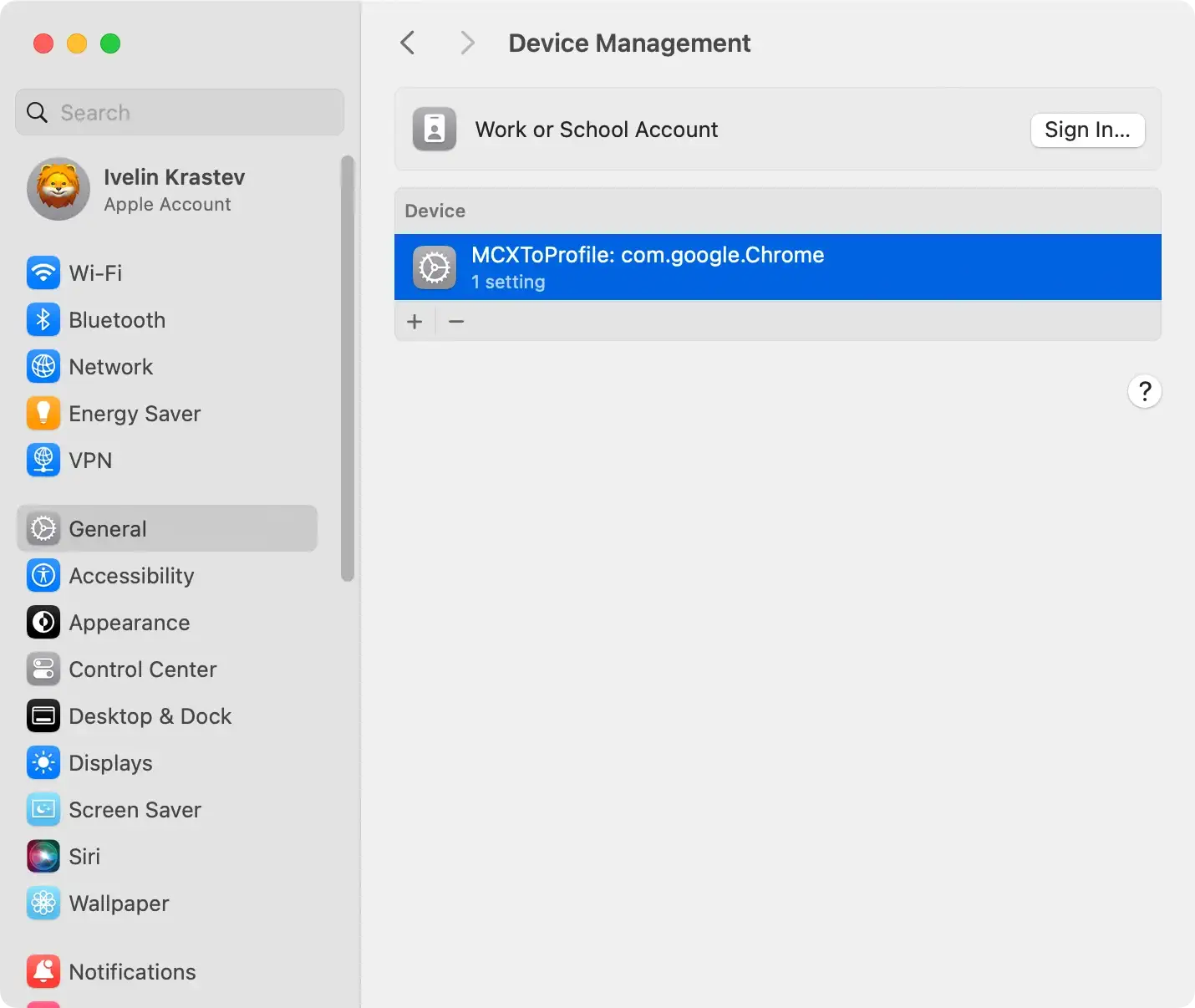
Configuration profiles are one of the main ways browser hijackers and adware apps achieve persistence on the victim system, so their removal is one of the most important steps in securing your device.
Step 2: Delete applications related to syncserviced
- Navigate to your
Applicationsfolder. - Scan the list of apps and look for any that have syncserviced in their name, or ones that have unusual icons that you don’t remember installing or ever using.
- Drag the identified apps onto your
Trashand then empty it.
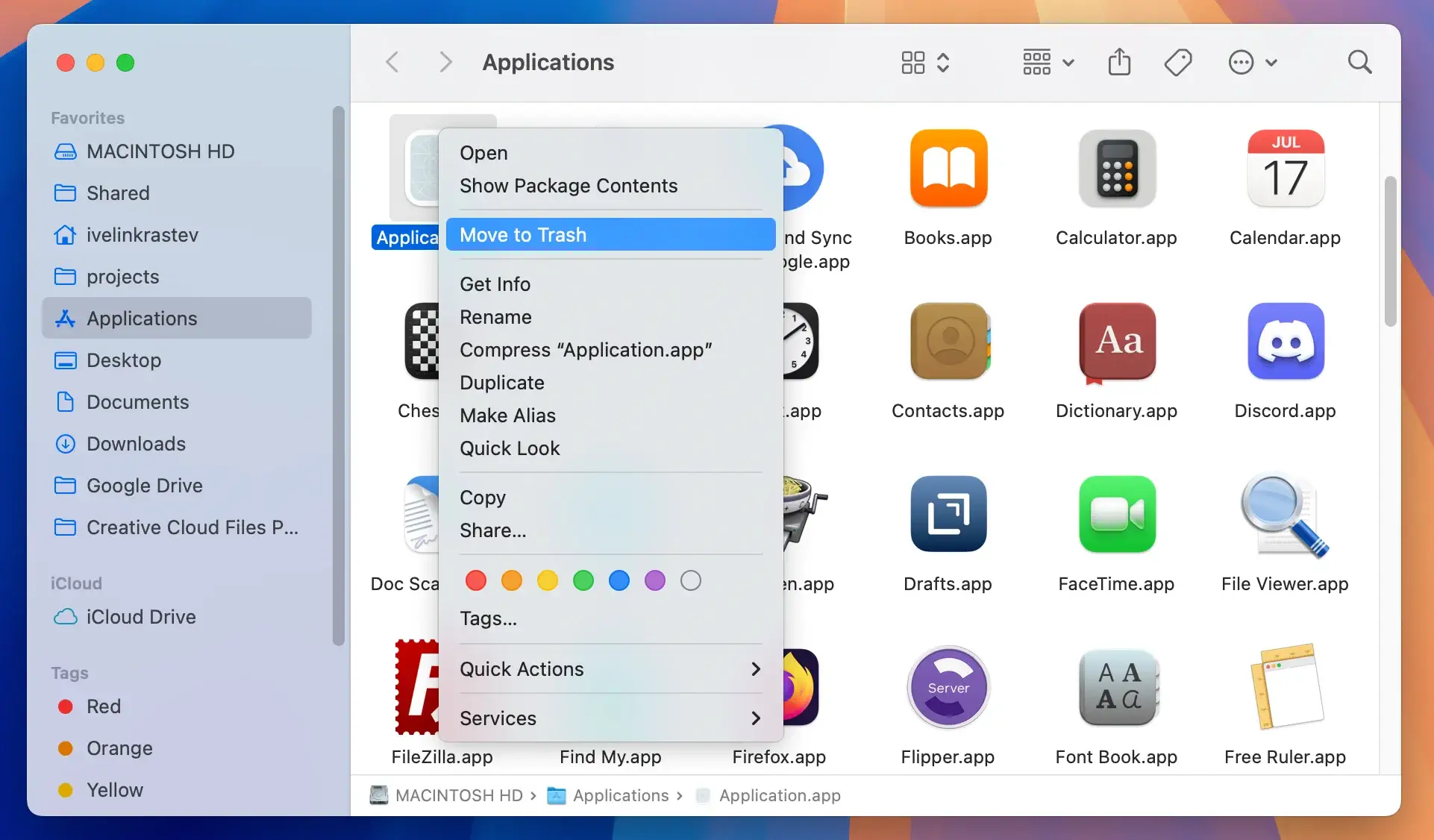
This will ensure the bulk of the unwanted application has been removed, but there are still a few things left to take care of.
Step 3: Remove files related to syncserviced
Next comes the removal of leftover files that syncserviced can create in various system directories.
Open a new Finder window, then click Go > Go to Folder and type or paste the following directory paths in the dialog box, pressing Return after each of them to examine them in order:
/Library/StartupItems//Library/LaunchAgents//Library/Application Support//Library/LaunchDaemons/~/Library/LaunchAgents/~/Library/Application Support/~/Library/Preferences/
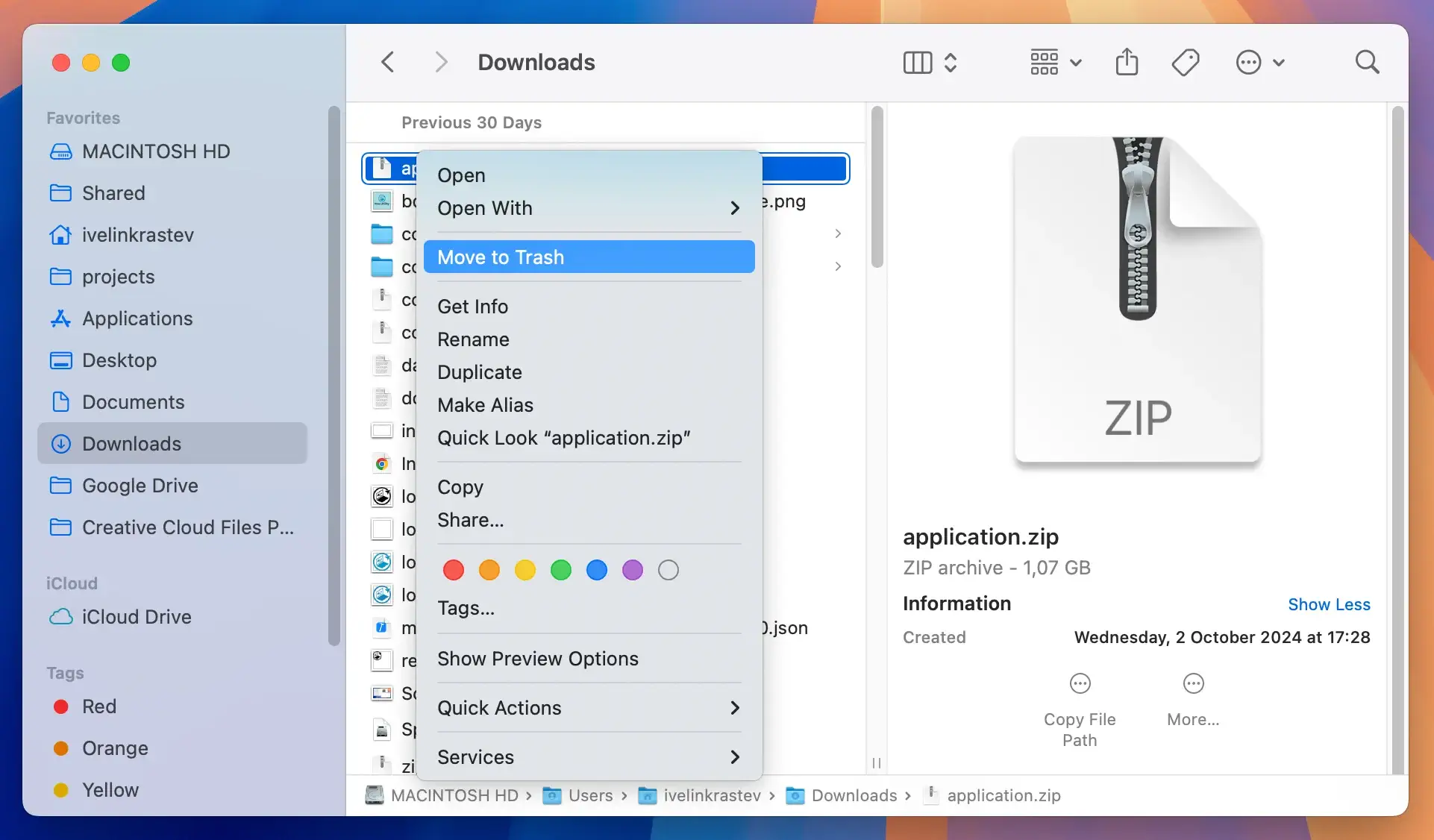
Inside each of those locations, try to locate files and subfolders linked to syncserviced. Drag and drop any you find in the Trash and empty it.
Step 4: Clean unwanted browser extensions linked to syncserviced
Browser hijackers will commonly install an unwanted extension in your browser of choice. Follow the steps below to remove similar rogue extensions from your system.
For Safari
Launch Safari and navigate to the Preferences menu. Click the Extensions tab and remove any unknown extensions or ones that have syncserviced in their names.
For Google Chrome
In Chrome, access Settings by using the three dots menu. Go to the Extensions page, then remove any unfamiliar extensions.
For Firefox
Launch Firefox and use the three-bars menu button to select Add-ons. Next, click Extensions in the new window. Remove any suspicious extensions.
Step 5: Completely remove syncserviced using SpyHunter
SpyHunter is a powerful tool that can detect and remove malicious and unwanted software from your Mac. Its scanner detects existing threats, while its system guard provides real-time protection and shields against potential future threats.
- Download SpyHunter and follow the visual steps to install it on your Mac.
- Open SpyHunter and run a full system scan. The application will scan your Mac for syncserviced and other malicious or unwanted components.
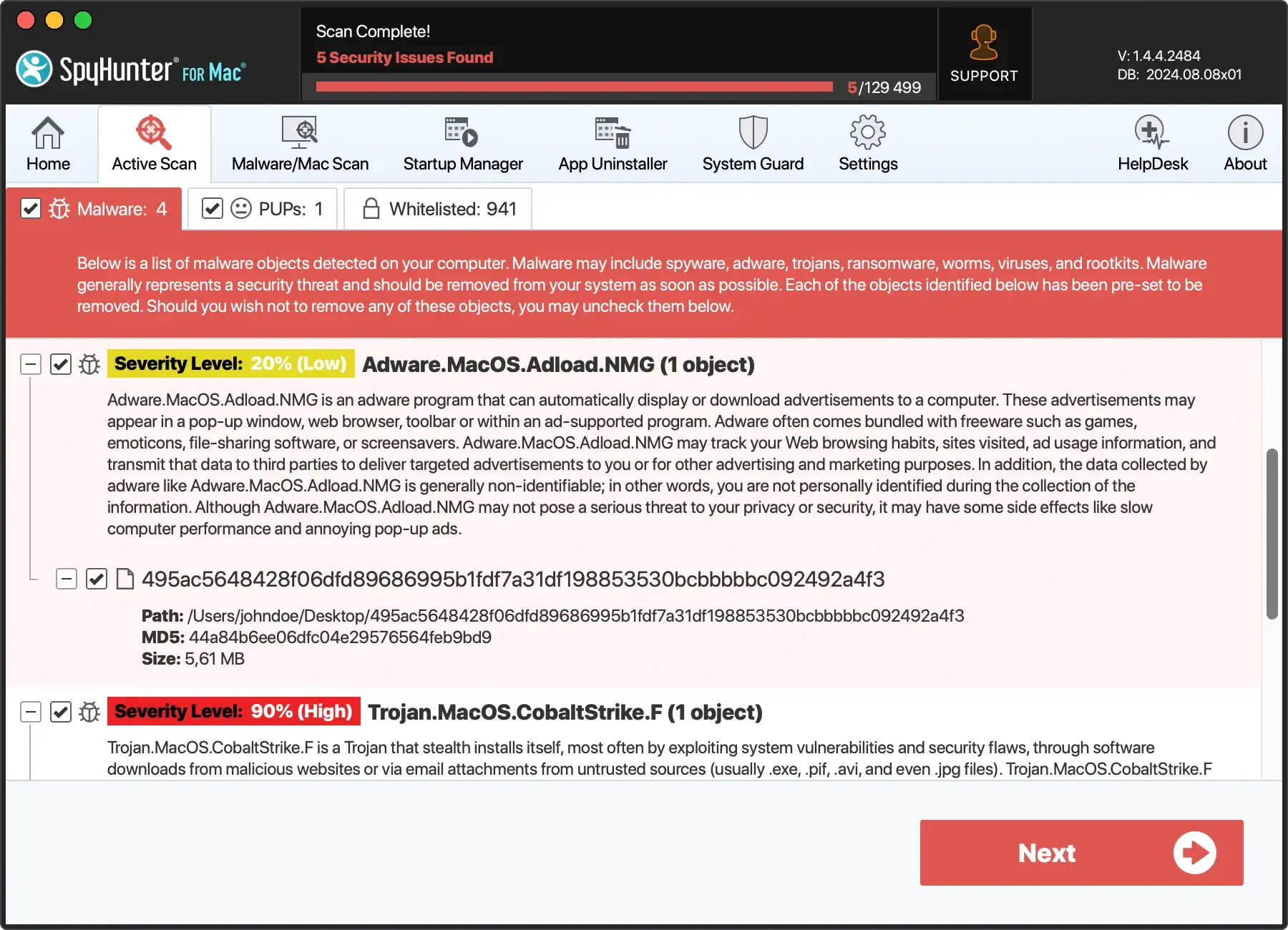
- When the scan finishes, SpyHunter will display a list of detected malware. Find any entries linked to syncserviced.
- Select the identified files and click Next to proceed with their removal.
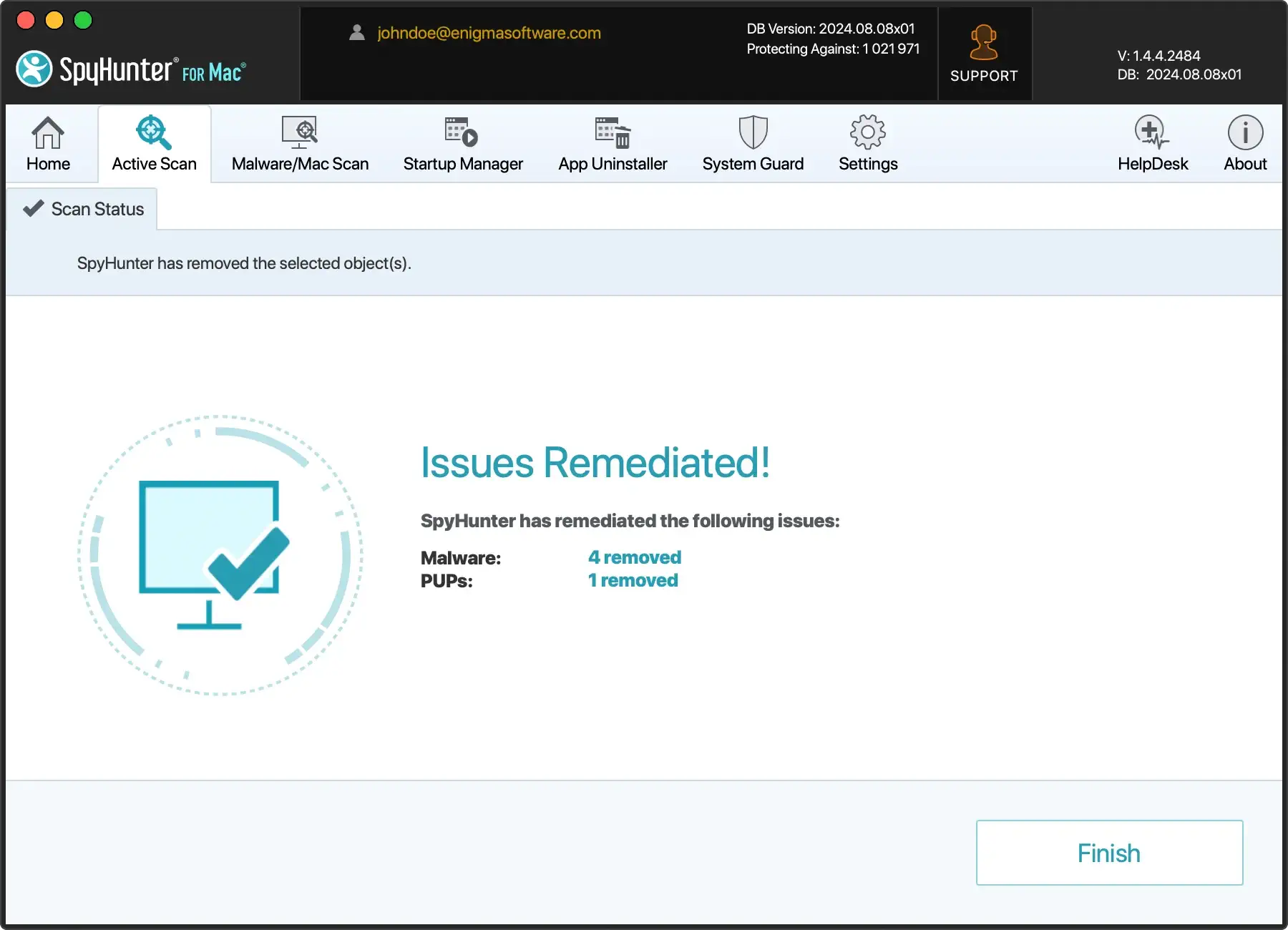
Once you have fully removed syncserviced from your System, SpyHunter will also ensure protection against possible future infections.
Closing thoughts
Safeguarding your Mac from threats like syncserviced is crucial for maintaining a smooth and secure user experience.
By being aware of how such malware can infect your system and recognizing the signs of infection, you can take proactive steps to protect your device.
Utilizing reliable antivirus software, downloading applications from trusted sources, and staying vigilant can help keep your Mac free from malicious processes.
