

How To Remove Search Alpha From Mac [Complete Instructions]

Before we dive in
Before we dive in, let's make sure you stay safe online. We created SpyHunter because your security matters to us.
Protect your computer today — download SpyHunter right here! Check out our top tips below to keep your computer safe and secure.

Search Alpha or search-alpha.com, is a fraudulent fake search engine classified as a browser hijacker.
Despite its deceptive mask of a search engine, it serves as a medium for potential malware and security risks to infiltrate your Mac system.
Users often unknowingly become victims of this hijacker, as it subtly alters browser settings, modifies search results, and redirects web traffic through questionable domains.
This guide will explore practical methods to help you effectively remove Search Alpha from your Mac.
Let’s dive in:
Overview of Search Alpha
Search Alpha primarily operates in a Mac environment. However, it is not strictly limited to it. This adware is disguised as a trustworthy search engine that redirects users’ internet traffic to the Bing search engine.
Yet, not before routing it through various hijacking domains first. The domains search-location.com and api.lisumanagerine.club serve as stepping-stones for Search Alpha to conduct its activities.
Behavioral analysis of Search Alpha
The Search Alpha hijacker operates by manipulating the default search engine, which results in unwanted redirects via “search-alpha.com”.
It also tends to modify default browser settings; the homepage and new tab bear the brunt of these changes.
Many users may also notice an unusual influx of unwanted ads, pop-ups, and spontaneous installation of potentially unwanted apps/browser extensions.
Consequently, these activities result in a general decrease in device and browser performance.
Potential risks associated with Search Alpha
The Search Alpha browser hijacker poses severe privacy and security threats to unsuspecting users.
Primary risks associated with this virus include personal data leakage and increased risk of encountering future contaminations.
Individual browsing and search histories, original IP addresses, and other sensitive information might get exposed to cyber criminals, leading to potential identity theft.
Additionally, the virus might contain keyloggers or spyware hidden in the unwanted ads that can extract online account credentials. Such data breaches could cause significant financial damage to users.
Related browser hijackers
The operational tactics of the Search Alpha adware mirror those of numerous other browser hijackers, all driven by the illicit goal of monetizing web traffic.
These hijackers employ strategies such as redirecting user traffic through specific domains, inundating users with intrusive ads and pop-ups, and, alarmingly, gathering and potentially misusing user data.
A comprehensive examination of Search Alpha sheds light on its activities. It offers valuable insights into the potential risks related to browser hijackers, emphasizing the broader implications for users’ online security and privacy.
Understanding the shared modus operandi provides a proactive stance in safeguarding against the diverse threats posed by this category of intrusive software.
Diagnose Search Alpha infection
Identifying a Search Alpha infection on a Mac device is more straightforward than its removal process.
The adware leaves several telltale signs of its presence through its distinct behavioral patterns and damaging activities.
How Macs get infected
Search Alpha typically infiltrates Mac systems through disguised software bundles.
Often coming with additional malicious browser add-ons and potentially unwanted applications, these fraudulent packages provide a backdoor entry for the browser hijacker.
Once inside the system, the adware subtly alters browser configurations and begins its adverse activities.
Common signs of Search Alpha installation
The primary symptoms of a Search Alpha infection on Mac could range from mild annoyances to more noticeable performance decline.
One of the key indicators of this virus is the unexpected redirect through “search-alpha.com,” which usually lands you on the Bing Search engine.
Another red flag is modifying search results, driven by the hijacker’s agenda to redirect traffic to questionable or virus-infected websites.
Also, if your Mac displays an unusual number of intrusive and frustrating pop-up ads, it might be infected with Search Alpha adware.
Installing malicious browser add-ons and unwanted apps without user knowledge or approval is another typical sign.
Finally, a noticeable decrease in your Mac’s performance, caused by numerous processes initiated by the adware, signals the presence of this browser hijacker.
Critical indications of Search Alpha’s presence
The most exposing indication of the Search Alpha.com browser hijacker is the redirection of user traffic to the “search-alpha.com” domain, followed by an unexpected landing on the Bing search engine.
This distinct behavioral trait, combined with the other symptoms discussed above, makes identifying the virus significantly less challenging, thereby allowing for its eventual removal and restoring Mac’s security.
Search Alpha removal Mac
Once the Search Alpha adware has been recognized on your Mac, the next step entails its removal. There are different ways to eliminate this pestering browser hijacker from your Mac.
Let’s explore the most effective removal methods, from antivirus programs to manual elimination.
Remove Search Alpha.com manually
Tech-intelligent individuals who understand system parameters and settings may prefer a manual removal approach. However, following a specific order carefully is essential to avoid accidentally deleting crucial files.
Here are simplified steps:
Remove malicious config profiles
While configuration profiles are valuable tools in business environments for efficient Mac device management, home users often find themselves vulnerable to exploitation by adware and browser hijackers.
These threats manipulate configuration profiles to obstruct users from uninstalling malicious software and adjusting browser settings.
To regain control, follow these steps to identify and delete these potentially harmful profiles:
- Open
System Settings/System Preferences. Once the app has fully loaded, locate theProfilessection underPrivacy & Security. This is where configuration profiles are typically housed.
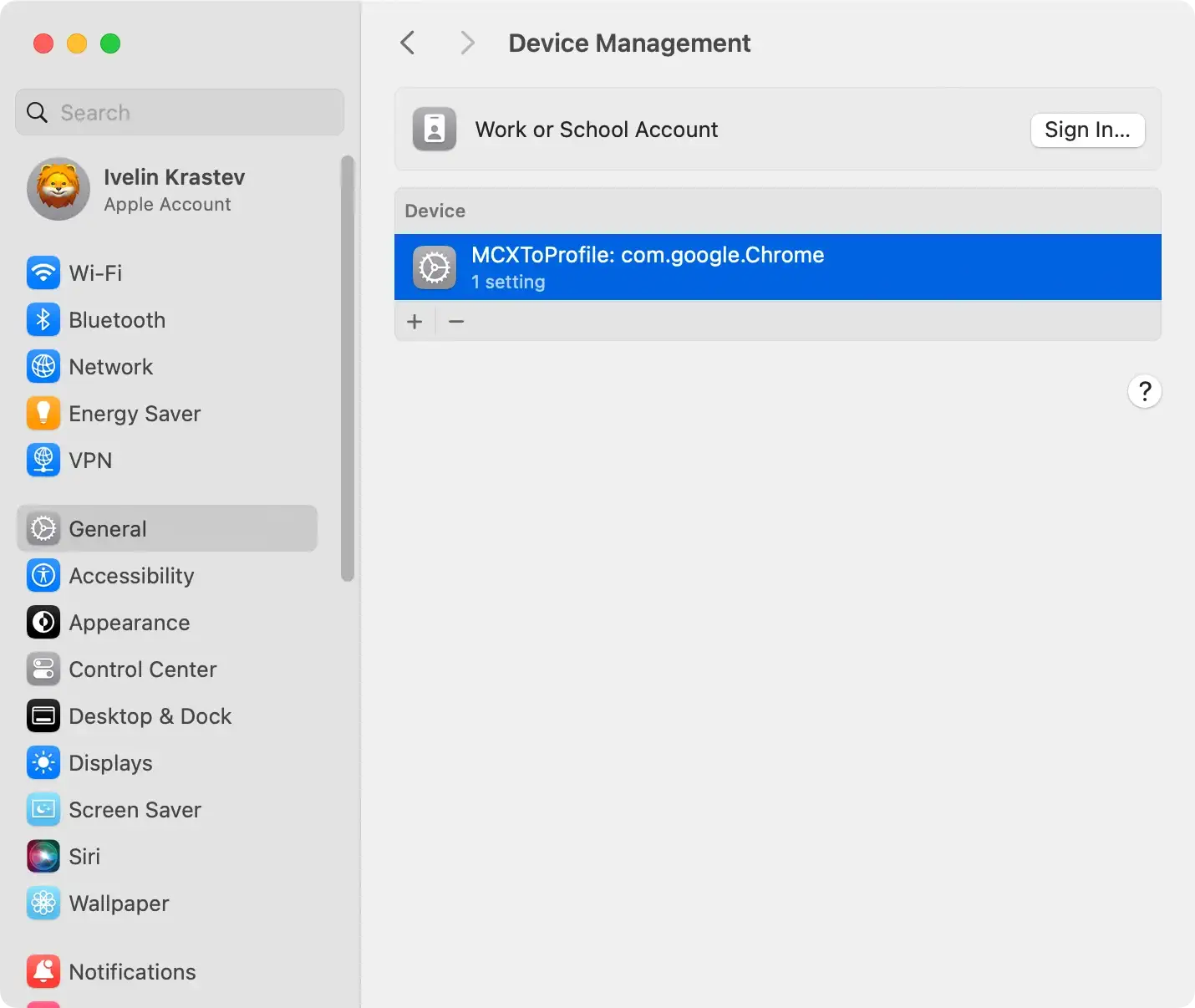
- Sift through the list of installed profiles. Pay attention to unfamiliar profiles, especially those associated with Search Alpha or other adware.
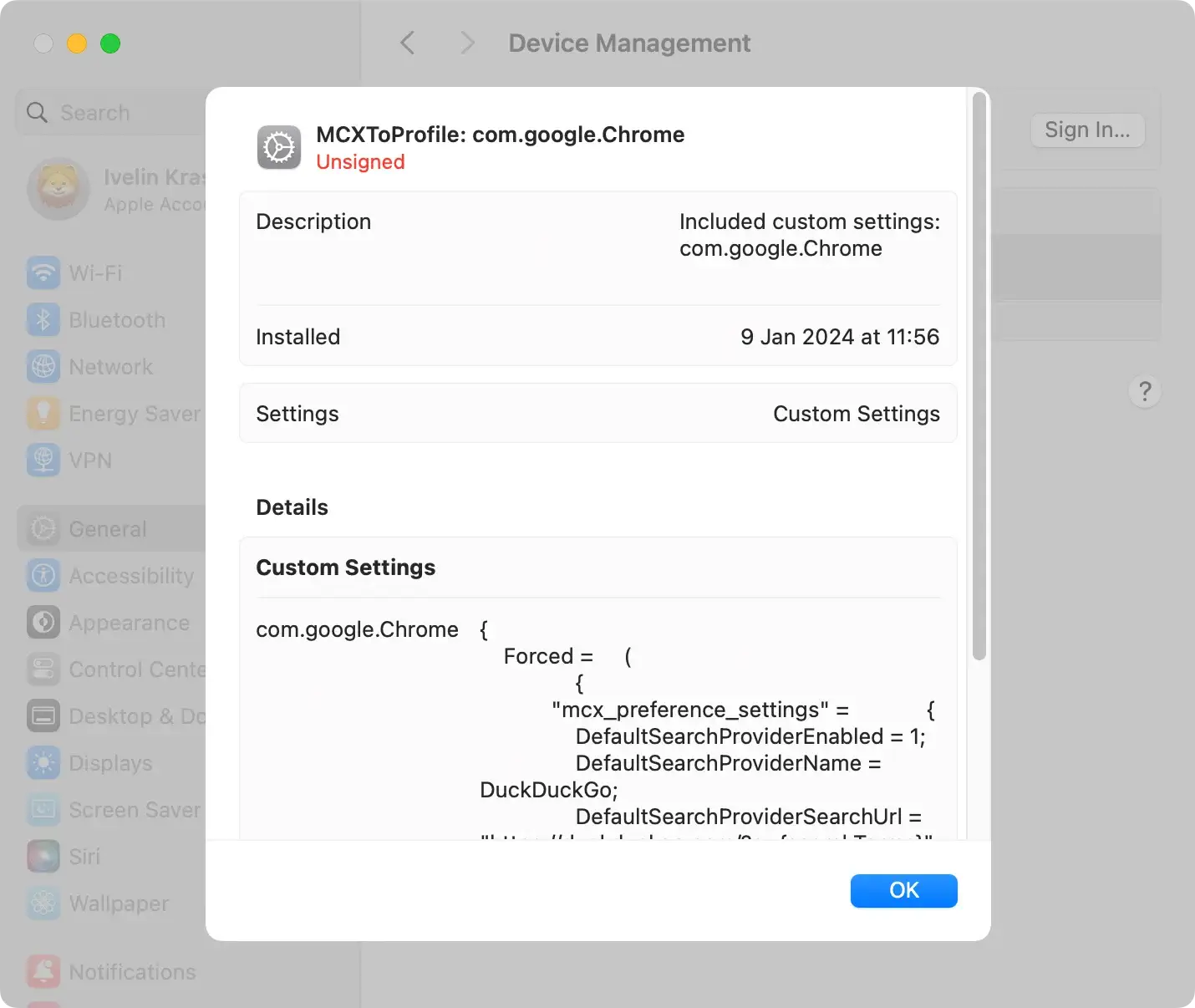
- Select the suspicious profile, then click on the ‘-‘ (minus) button to remove it. Confirm the deletion if prompted.
- You may need to authenticate the removal with your admin credentials.
By meticulously removing these malicious configuration profiles, you regain control over your Mac, preventing adware and browser hijackers from persistently manipulating your system settings.
Regularly reviewing and managing your installed profiles adds a layer of defense against potential threats.
Uninstall the Search Alpha app
To safeguard your Mac computers from potential threats, follow these steps to identify and eliminate any harmful applications and files that might have infiltrated your system.
Some redirect or adware programs might provide uninstall options for their removal.
We will delve into both manual uninstallation and a more convenient automated approach.
Note: These guidelines are practical for any Mac device, including MacBook Air, Mac mini, MacBook Pro, and iMac.
Remove Search Alpha virus via Finder
- Open
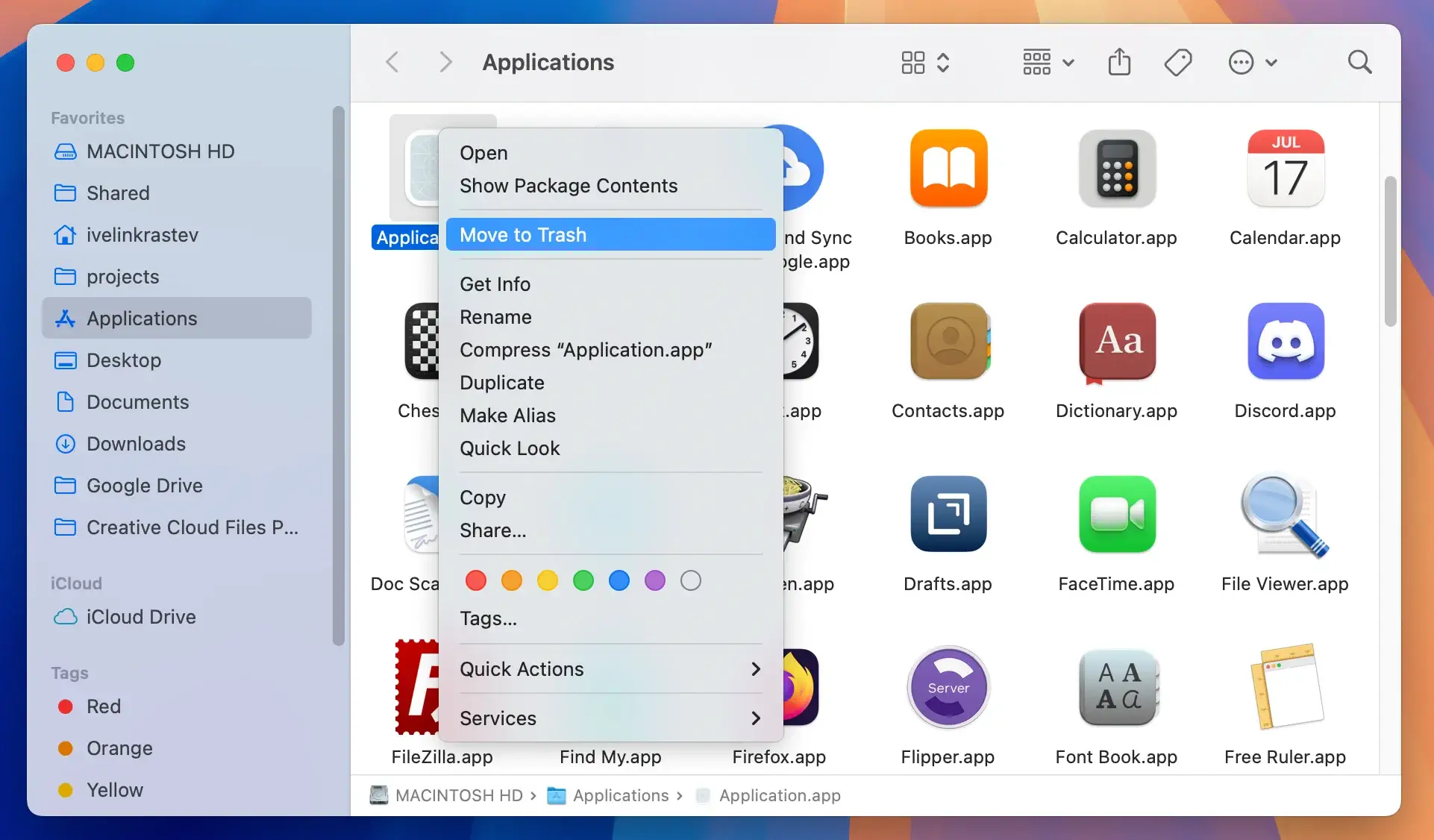
Finderand navigate to theApplicationsfolder. - Review the list of installed programs. Look for any unfamiliar or suspicious applications.
- Right-click on the app you want to remove and select
Move to Trash/Binor drag it into theTrash/Bin. - Empty the
Trash/Bin.
Remove Search Alpha virus using the Launchpad
- Open Launchpad and review the list of installed applications. Look for any unfamiliar or suspicious apps.
- Press the
⌥ (Option)key until the app icons start shaking. - Click the [X] icon next to the app to delete it. Then empty the
Trash/Bin.
Bonus tip
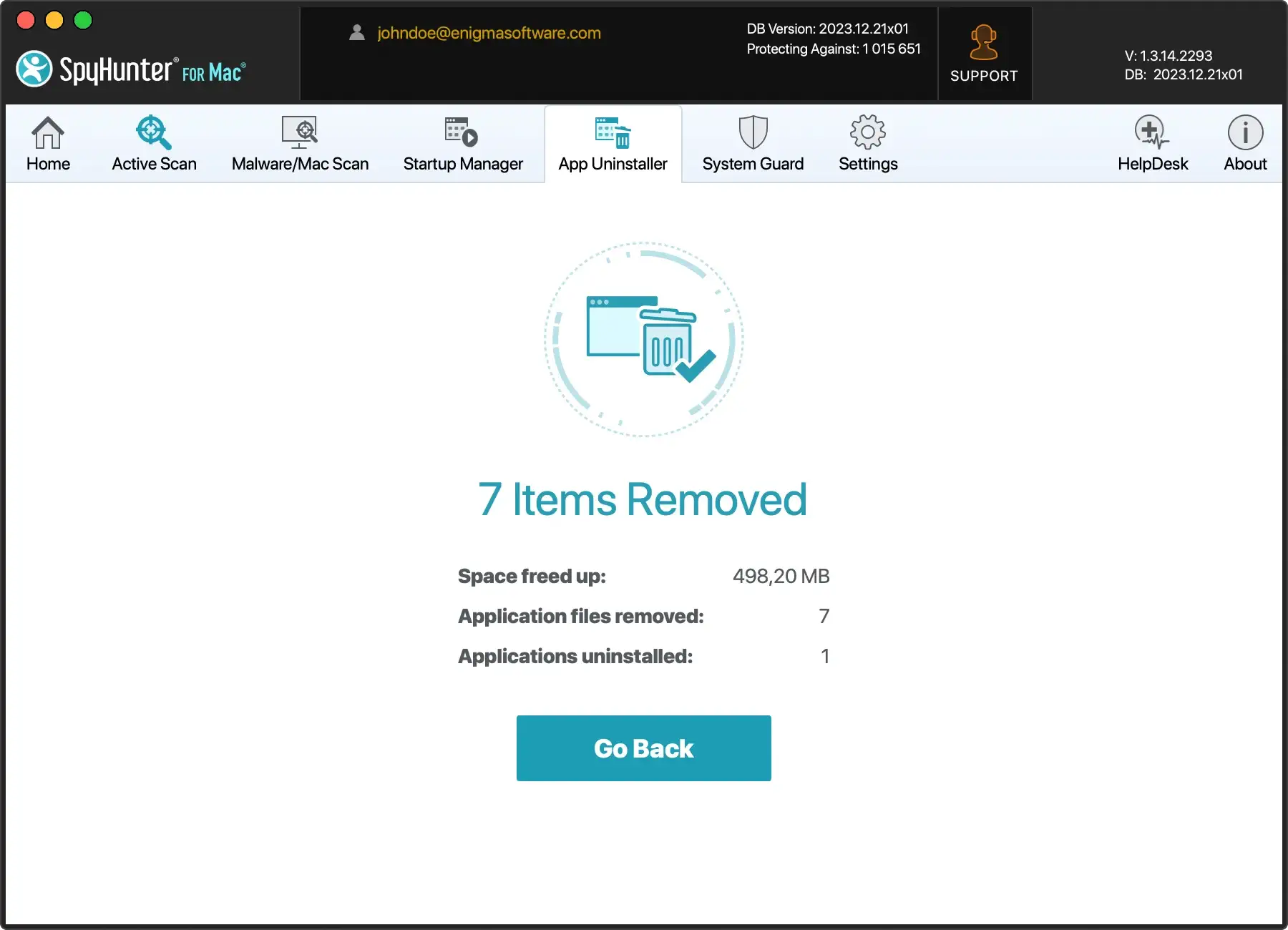
For a more comprehensive approach to app removal, consider using SpyHunter. It is a powerful anti-malware program that includes a high-tech app uninstaller. Download SpyHunter for free here and experience its effectiveness for yourself.
Remove Search Alpha virus automatically
One of the most efficient means to remove such malware is to utilize trusted antivirus software. SpyHunter for Mac can help you eradicate Search Alpha from your Mac in less than 10 minutes.
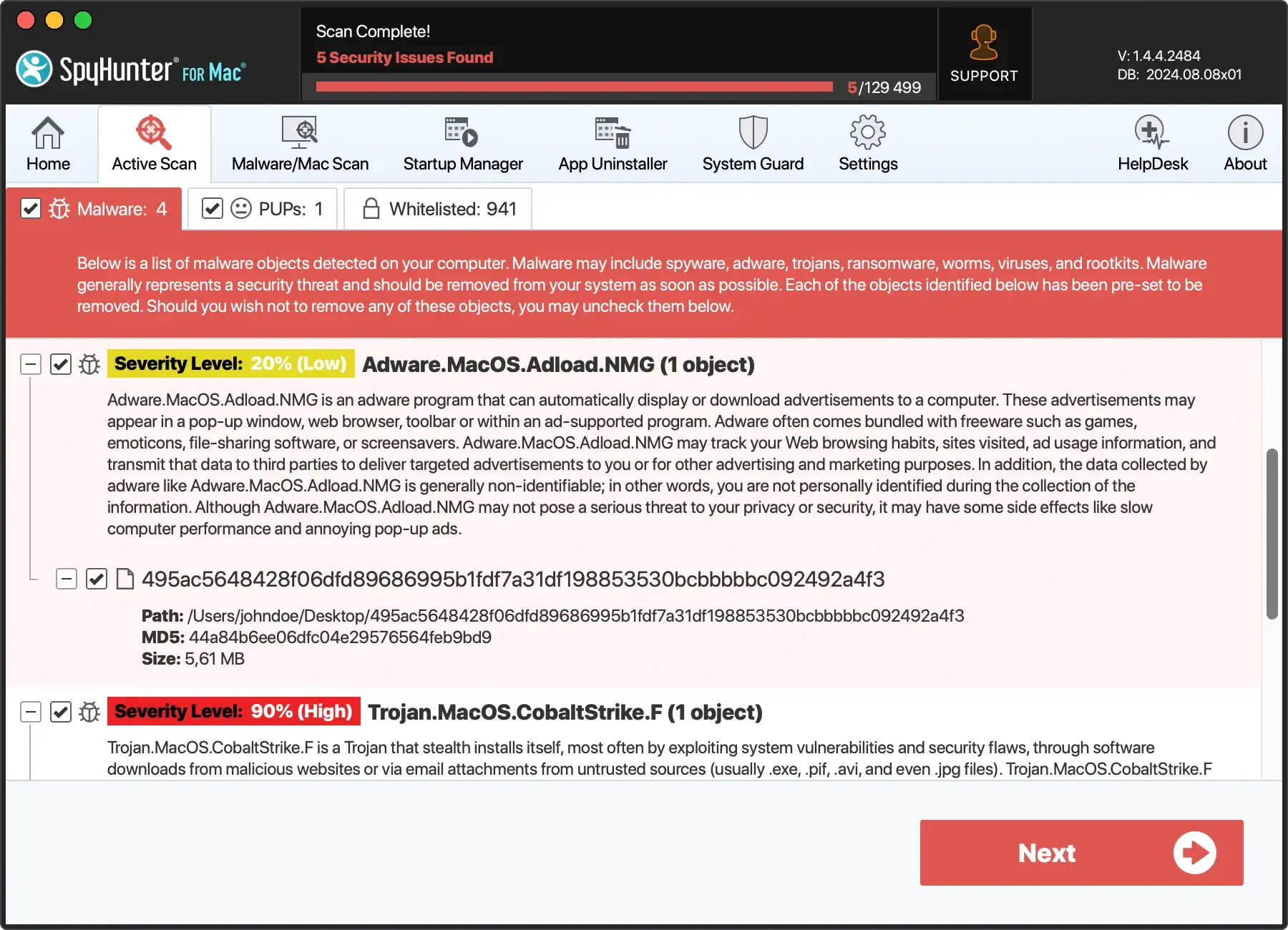
- Download SpyHunter and follow the installation instructions.
- Once installed, an automatic scan will identify any remaining malware on your Mac, including traces of Search Alpha.
- Click Next; SpyHunter will quickly quarantine the threats, keeping your system safe.
Remove Search Alpha from web browsers
This browser hijacker can seriously compromise your browsing experience by tampering with extensions and altering settings.
We provide a step-by-step guide for thorough redirect removal for the most popular web browsers, including Safari, Google Chrome, and Mozilla Firefox.
Safari
- Go to
Preferences > Extensions. - Remove Search Alpha or any other suspicious extensions.
- Click on
Generaland set your preferred homepage. - On the Search tab, choose your preferred search engine.
Google Chrome
- Open Google Chrome and navigate to the web browser settings.
- Go to
Extensionsand get rid of Search Alpha.com or any unfamiliar extensions. - In the “
On startup” section, click “Open a specific page or set of pages” and set a preferred page. - In the Search engine section, select a recognized search engine.
Mozilla Firefox
- Open Mozilla Firefox and go to
Add-ons > Extensions. - Remove Search Alpha virus or any other unknown browser extensions.
- Visit
Preferencesto set your desired search engine homepage.
Different web browsers have unique virus removal processes. Ensure you follow the appropriate steps for your browser to get rid of the Search Alpha virus and restore your browser to a secure state.
Prevention tips for future risks
Prevention is always the best cure, especially when dealing with hazardous viruses like the Search Alpha.
By following specific protective measures and maintaining safe browsing habits, Mac users can significantly decrease the chances of further contamination.
Use antivirus software
Deploying robust antivirus software stands as the primary line of defense against the threat of browser hijackers. Opting for reputable antivirus software specifically designed for Mac, such as SpyHunter for Mac, provides continuous scanning and protection ( Download SpyHunter from here ).
This vigilant system guard ensures that malicious elements are promptly identified and users are alerted about potential threats.
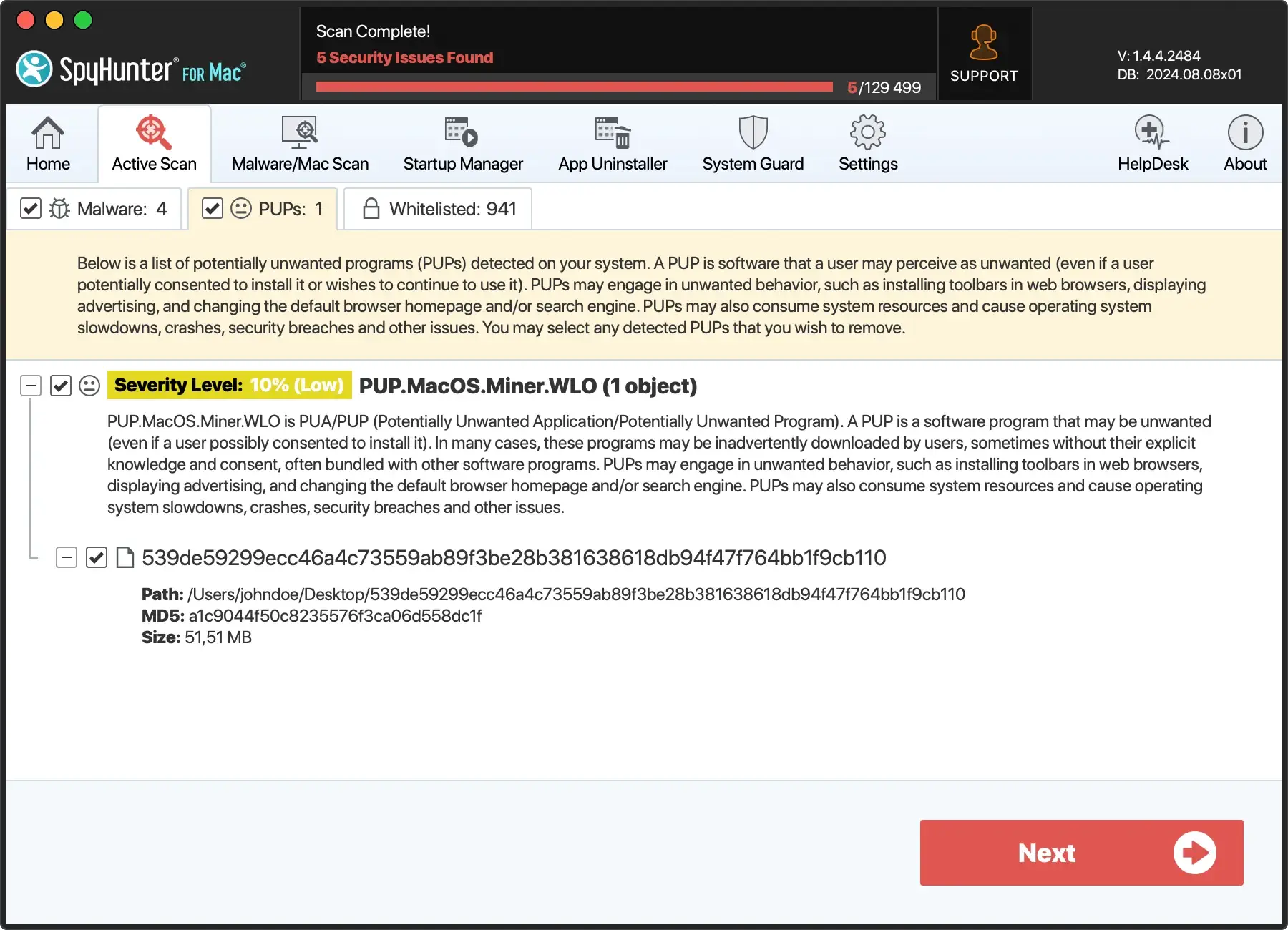
The nature of good antivirus software empowers users to neutralize potential threats even before an infection occurs.
By leveraging real-time scanning and threat detection, these tools act as a vigilant guardian, reinforcing your Mac against the evolving landscape of browser hijackers and other cyber threats.
Safe browsing habits
Safe browsing habits are fundamental in strengthening your Mac against potential infiltrations.
Steering clear of prohibited torrenting sites or adult content websites is paramount, as these platforms often serve as breeding grounds for dangerous malware.
Avoiding these high-risk destinations significantly reduces the likelihood of inadvertently introducing harmful elements to your system.
Furthermore, exercising caution when encountering backlinks or accepting downloads is imperative. Refrain from engaging with content from unverified or suspicious sources, as these can be potential entry points for malware.
Vigilance in your online interactions adds a layer of defense, acting as a proactive shield against the diverse array of threats that may target your Mac.
Regular software updates
Keeping your software up-to-date is crucial in ensuring the security of your Mac. Software updates often include necessary security patches that should be applied immediately.
By keeping your operating system, antivirus, and other vital software updated, you are guarding against potential attacks.
Install new software with caution
Exercise caution while installing new software to ward off the accidental entry of browser hijackers and other potential risks.
Unintentional redirects often act as gateways for these intrusive elements. Notably, browser hijackers like Search Alpha.com frequently arrive bundled within seemingly legitimate programs, seizing the opportunity during software installations.
When incorporating new applications into your system, allocate time to read the installation prompts attentively. Avoid hasty or default settings that include additional, potentially unwanted bundled software.
Adopting a meticulous approach during software installations creates a protective barrier against the stealthy infiltration of browser hijackers, ensuring a more secure and controlled computing environment.
