

How to Remove prepared Adware on Mac (2025)

Before we dive in
Before we dive in, let's make sure you stay safe online. We created SpyHunter because your security matters to us.
Protect your computer today — download SpyHunter right here! Check out our top tips below to keep your computer safe and secure.

Has your Mac been acting strangely, responding slower, displaying ads on pages where there were none before? You might be dealing with an unwanted app called ‘prepared’ that exhibits behaviors typical for browser hijackers and adware applications.
This article will brief you on important information about prepared and provide you with a list of detailed steps you can follow to clean your system.
What exactly is prepared on Mac?
Prepared is a malicious process that has been identified as a form of adware or browser hijacker affecting Mac computers.
Browser hijackers and adware are types of malware designed to take control of your web browsing experience, often displaying unwanted advertisements, redirecting search queries, and altering browser settings without your consent.
The primary goal of these malicious entities is to generate revenue through intrusive ads, data collection, or even facilitating further malware infections.

Similar to typical adware and browser hijackers, prepared operates by injecting advertisements into web pages, altering search results, and redirecting users to rogue websites. It can also change your default search engine, homepage, and new tab settings, making it difficult to restore your preferred browsing environment.
How can prepared end up on your Mac?
Adware and browser hijackers like prepared typically infect systems through several common vectors, exploiting the trust and habits of unsuspecting users. Here are the most prevalent methods:
- Software Bundles: One of the most common ways prepared can infiltrate your Mac is by piggybacking inside software bundles. When you download and install software from unofficial or less reputable sources, additional unwanted programs may be included in the installation package.
- Rogue Websites: Visiting malicious or compromised websites can also lead to an infection. These sites may host drive-by download attacks, which exploit vulnerabilities in your browser or plugins to automatically download and install malware without your knowledge.
- Bad Download Locations: Downloading software or files from untrustworthy locations, such as peer-to-peer networks, torrent sites, or free file hosting services, significantly increases the risk of adware infection.
Signs of infection with prepared
Recognizing the signs of adware infection is crucial for taking timely action to remove the malicious software and protect your Mac. Here are four key indicators that prepared might be present on your system:
- Altered Browser Behavior: If you notice sudden changes to your browser settings, such as a new default search engine, homepage, or new tab page that you did not authorize, it is a strong sign of adware infection.
- Unwanted Pop-Ups and Ads: An increase in intrusive advertisements, especially those appearing in places where you typically wouldn’t expect them, is another clear sign of infection. These ads may pop up in new tabs, overlay on top of web pages, or even appear as notifications, interrupting your normal browsing experience.
- Browser Redirects: If your browser frequently redirects you to unfamiliar or unwanted websites, it is likely due to the presence of prepared. These redirects can occur when you try to visit legitimate sites or click on links, often leading you to pages filled with ads, surveys, or even more dangerous malware.
- Increased Resource Usage: Adware like prepared can cause your Mac to run slower than usual, as it consumes system resources to load ads and track your activities. You might notice increased CPU and memory usage, resulting in reduced overall performance and responsiveness of your computer.
If you observe any of these signs, it is important to take immediate action to scan for and remove the adware to protect your system and regain control of your browsing experience.
Remove prepared from your Mac
Manual removal of adware like prepared can seem intimidating, but the process can be broken down into simple steps that make things a lot easier.
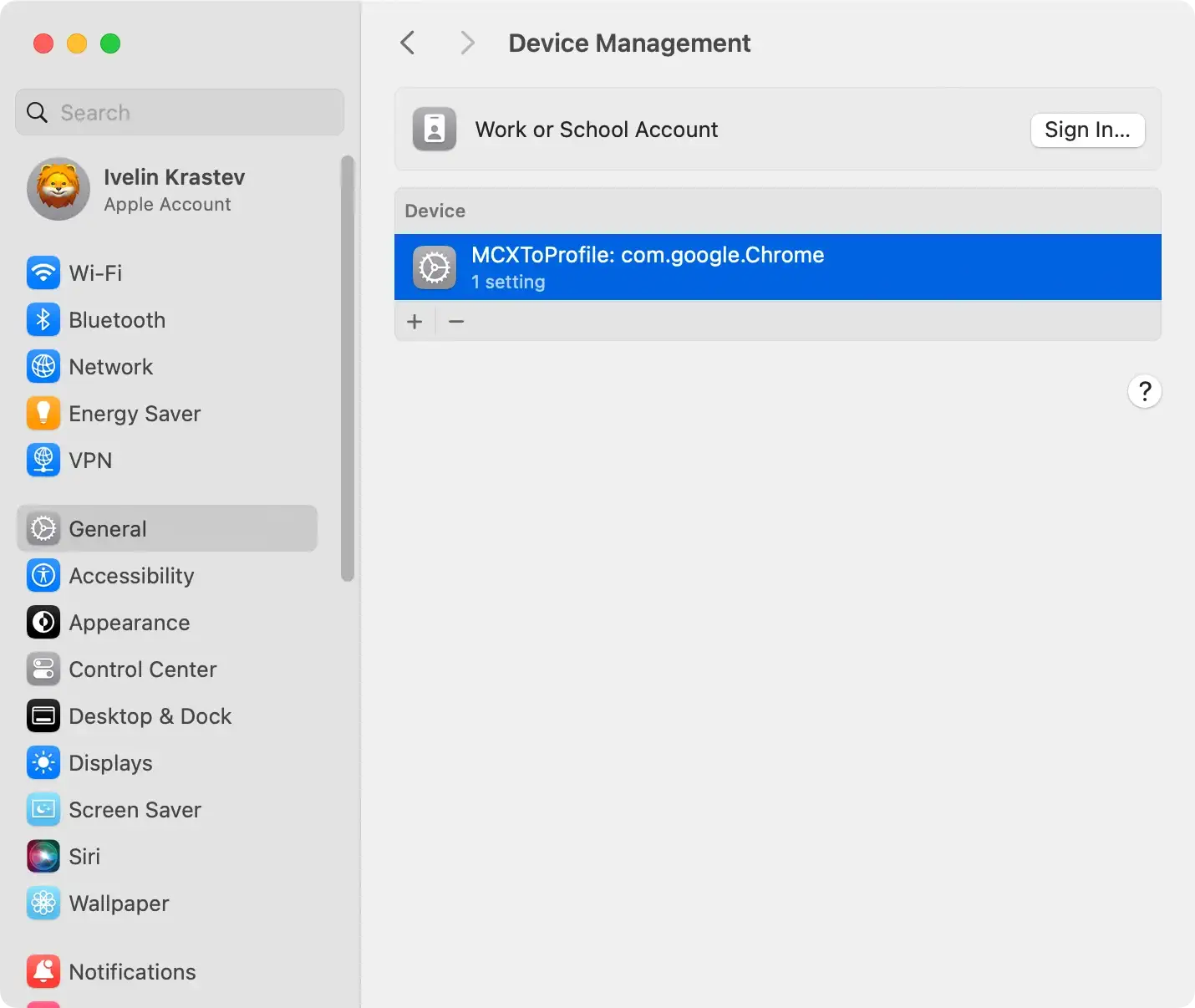
Step 1: Remove malicious configuration profiles created by prepared
Removing configuration profiles is the first step of dealing with most similar malware. Those profiles are often the thing that allows the unwanted software to persist on your Mac.
- Open your
System Settingsusing either theDockicon or the top menu on your Mac. - Go to the
Privacy & Securitysection and click onProfiles, if that option is available. - Select all unfamiliar profiles or any profiles that have “prepared” in their name.
- Use the minus (-) button below to remove all problematic profiles.
Step 2: Delete the prepared application
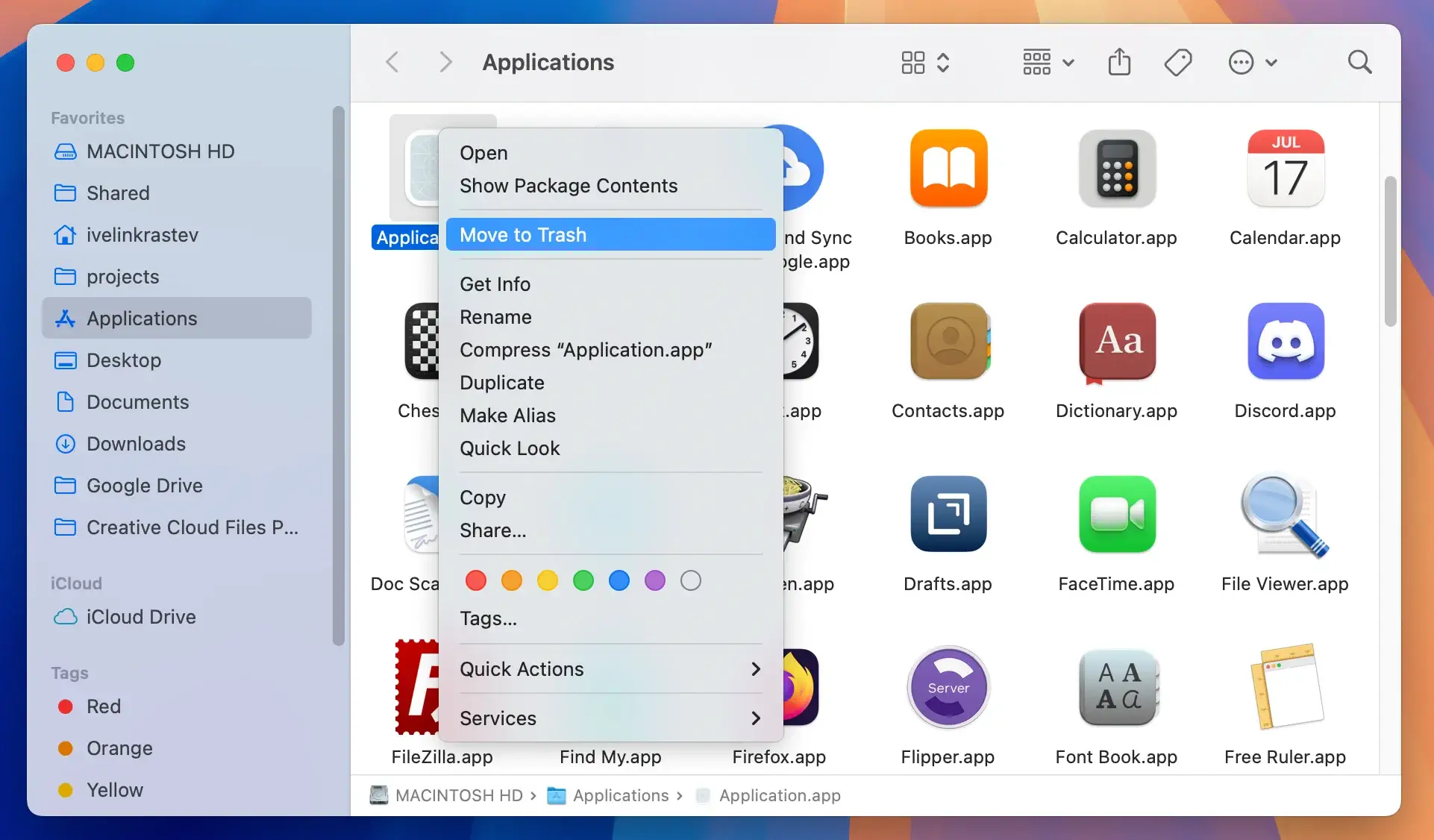
- Open your
Applicationsfolder thoughFinder. - Scroll and examine the list of installed apps to find any applications associated with prepared. Look for names and icons you don’t remember using or installing and for anything that has “prepared” in its name.
- Drag the suspicious applications to the
Trash, or right-click them and selectMove to Trashfrom the menu.
Step 3: Clean leftover files linked to prepared
This step involves manually tracking down files related to the prepared process and deleting them.
While in Finder, click Go > Go to Folder. In the dialog that comes up, paste the following directory paths one after the other, pressing Return after each to review them:
/Library/LaunchAgents//Library/Application Support//Library/LaunchDaemons/~/Library/LaunchAgents/~/Library/Application Support/
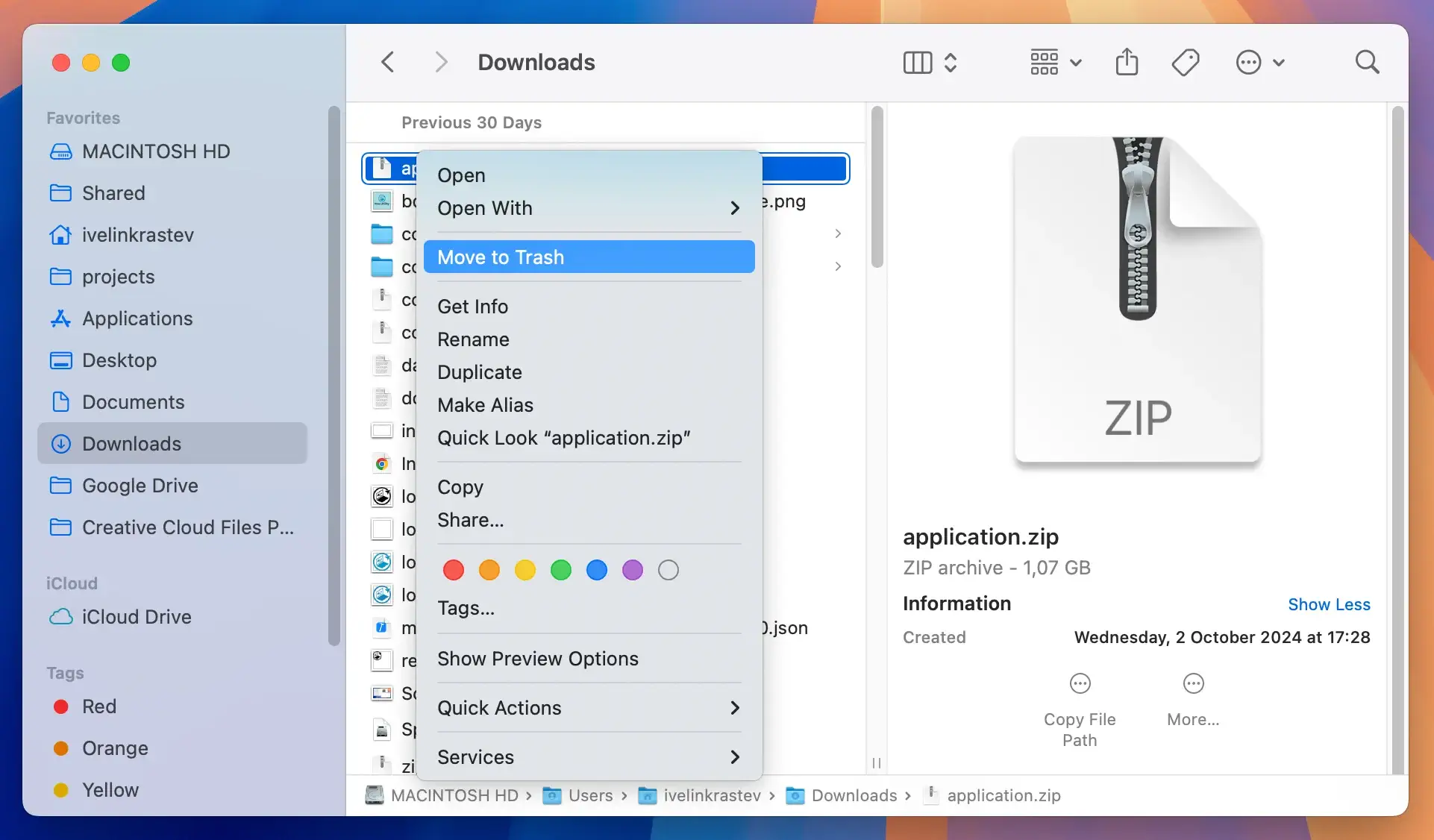
Inside the folders, search for files and subfolders related to prepared. Drag and drop all of them into the Trash. Finally, empty your Trash to completely remove prepared leftovers from your Mac.
Step 4: Remove prepared extensions from browsers
Another way for adware and browser hijackers to gain a foothold on your system are rogue browser extensions. To clean your browser of choice, do the following:
For Google Chrome
Launch Chrome browser, open the browser’s menu bar in the upper right corner and click Settings. Next click Extensions and scan the list for unknown and potentially unwanted entries, then delete all of them.
For Safari
Open Safari, then select Preferences from the browser’s menu. Click on Extensions and in the new view that shows up, find and then delete any unknown extensions.
For Firefox
Start Firefox, then open the browser’s main menu in the upper right corner of the window. Click Add-ons, and then select Extensions on the left. Examine and remove any suspicious entries in the list.
Step 5: Completely Remove prepared with SpyHunter
You can also choose to remove prepared using SpyHunter. The automated removal process used by SpyHunter offers reliable detection algorithms and can clean malware from your Mac without the need for a slower, careful manual approach.
- Download SpyHunter and complete the install following the instructions on your screen.
- Run a full system scan of your Mac to detect prepared and any other potential malware.
- Once the scan has finished, SpyHunter will show you a list of detected threats.
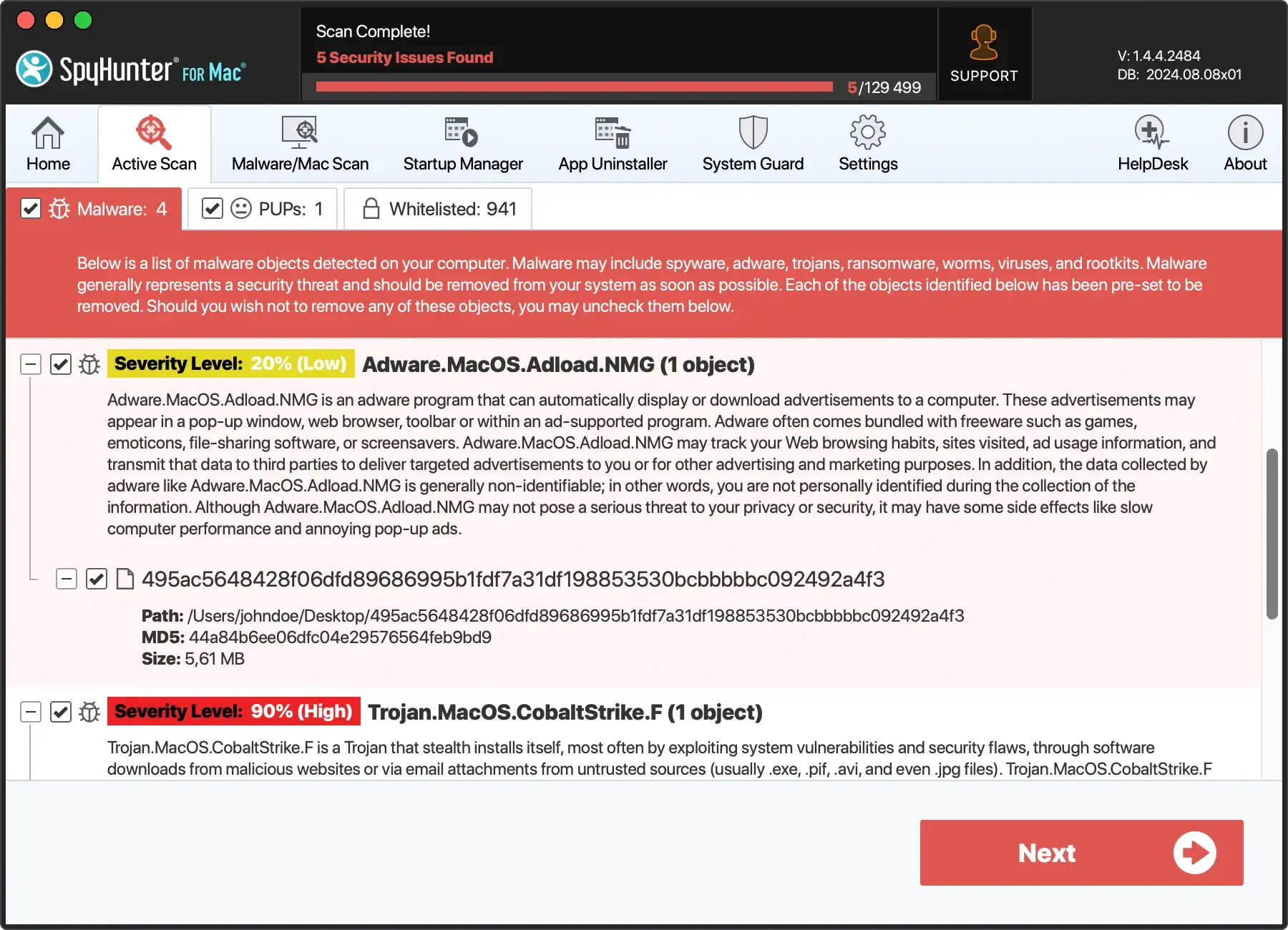
- Proceed to remove those from the system by clicking Next and following the instructions.
- Reboot your Mac to complete the removal process.
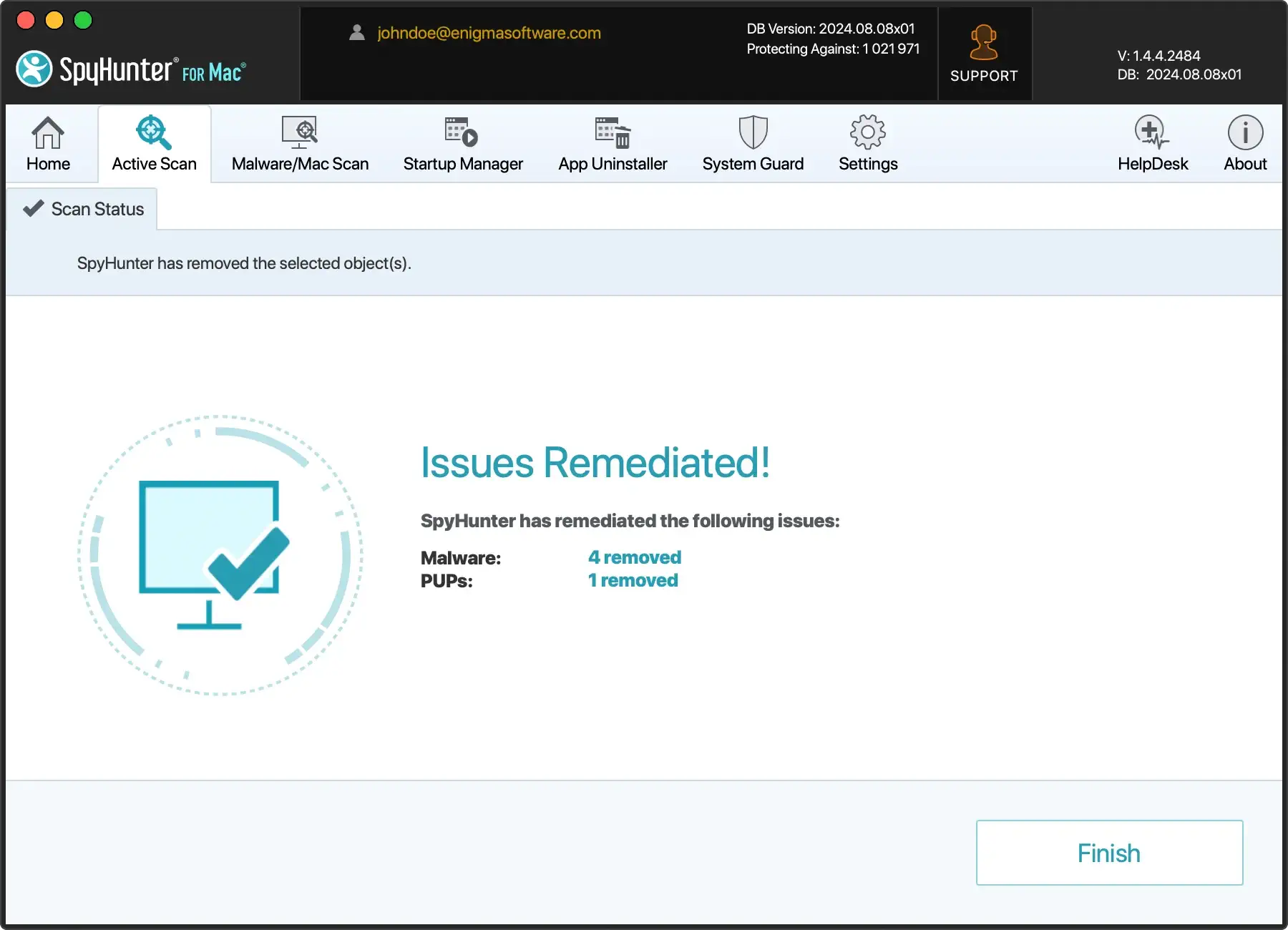
SpyHunter can offer you a significant shortcut in cleaning malware from your system and has a system guard component that offers real-time protection against any future threats you may run into while browsing.
Conclusion
Maintaining a clean Mac is crucial for safeguarding your personal information and ensuring optimal performance. Despite being “simply” adware, as some might dismiss it, the prepared process can pose a significant threat by compromising your privacy and exposing your system to further malware.
Regularly scanning for and removing unwanted software helps protect your Mac from these risks, ensuring a safer and smoother computing experience.
