

How To Remove iLifeMediaBrowser On Mac (Easy Guide)

Before we dive in
Before we dive in, let's make sure you stay safe online. We created SpyHunter because your security matters to us.
Protect your computer today — download SpyHunter right here! Check out our top tips below to keep your computer safe and secure.

Has your Mac started behaving oddly lately, with a slew of uninvited ads and a browser that seems to have a mind of its own?
If so, you might be dealing with iLifeMediaBrowser, a sneaky software that’s making itself a little too comfortable on your system.
By the end of this read, you’ll grasp why the iLifeMediaBrowser issue demands attention and how tools like SpyHunter can help keep your Mac in tip-top shape.
What is iLifeMediaBrowser on Mac
Even though users might call iLifeMediaBrowser a “virus”, this is misleading because the issue it represents is not a virus in the traditional sense.
Instead, it’s classified as a Potentially Unwanted Program (PUP) or, more specifically, a browser hijacker.
What sets it apart from viruses is its method of distribution and the nature of its activities once installed on your Mac. Unlike viruses that are designed to damage or steal your data, the iLifeMediaBrowser seeks to monetize its presence through aggressive advertising and browser redirection.

When iLifeMediaBrowser embeds itself into your Mac, it primarily targets web browsers, such as Safari, Chrome, or Firefox.
The unwelcome changes it brings include altering your browser’s homepage, search engine settings, and displaying incessant pop-up ads.
These unsolicited changes are not just annoying; they significantly degrade your online experience by slowing down your browser and leading to potentially unsafe webpages.
How can iLifeMediaBrowser get inside your Mac?
Commonly, adware and browser hijackers similar to iLifeMediaBrowser hitch a ride with freeware installations, deceptive advertisements, or even software updates.
Once installed, iLifeMediaBrowser doesn’t just stop at displaying ads. It digs deeper by tracking your online activities, capturing details such as browsing habits and preferences, which are then used to tailor the intrusive ads you see.
This dual assault on your Mac’s performance and your online privacy is why understanding and dealing with iLifeMediaBrowser becomes crucial.
At its core, the presence of iLifeMediaBrowser on your Mac is a clear signal that your system’s security has been compromised, albeit in a non-destructive way.
Regular checks for unwanted software and a solid understanding of how these PUPs operate can save you from the hassle that comes with browser hijackers like iLifeMediaBrowser.
Signs of iLifeMediaBrowser infection
Several indicators can suggest that iLifeMediaBrowser is affecting your Mac. Noticing these signs early can be the key to resolving the issue promptly before it escalates.
- Unexpected advertisements: If your browsing experience is suddenly dominated by an influx of pop-ups, banners, or other ad formats that weren’t there before, it’s a red flag. iLifeMediaBrowser profits by pushing these ads onto users.
- Browser setting changes: Has your homepage or search engine switched without your consent? iLifeMediaBrowser often alters browser settings to redirect your online activity through channels that benefit it.
- System performance issues: A significant slowdown in your Mac’s performance might indicate that iLifeMediaBrowser or similar PUPs are hogging system resources.
- Unfamiliar applications or extensions: Discovery of applications, toolbars, or extensions that you don’t recall installing can be a sign. iLifeMediaBrowser can sneak additional unwanted software onto your system.
- Privacy concerns: Notice more targeted ads than usual? iLifeMediaBrowser collects data on your browsing habits, leading to an increase in personalized ad content that can feel uncomfortably precise.
Experiencing one or more of these symptoms is a strong indication that iLifeMediaBrowser may have compromised your Mac. Take such signs seriously to protect your system and personal information from further impact.
Manual steps to remove iLifeMediaBrowser
Removing the iLifeMediaBrowser virus from your Mac doesn’t have to be a daunting task.
The process involves identifying and eliminating files and components related to the iLifeMediaBrowser.
Remove iLifeMediaBrowser from Applications
- Navigate to your
Applicationsfolder usingFinder. - Scroll through the list of applications until you find iLifeMediaBrowser. If it’s there, right-click (or control-click) on the iLifeMediaBrowser icon and select
Move to Trash.
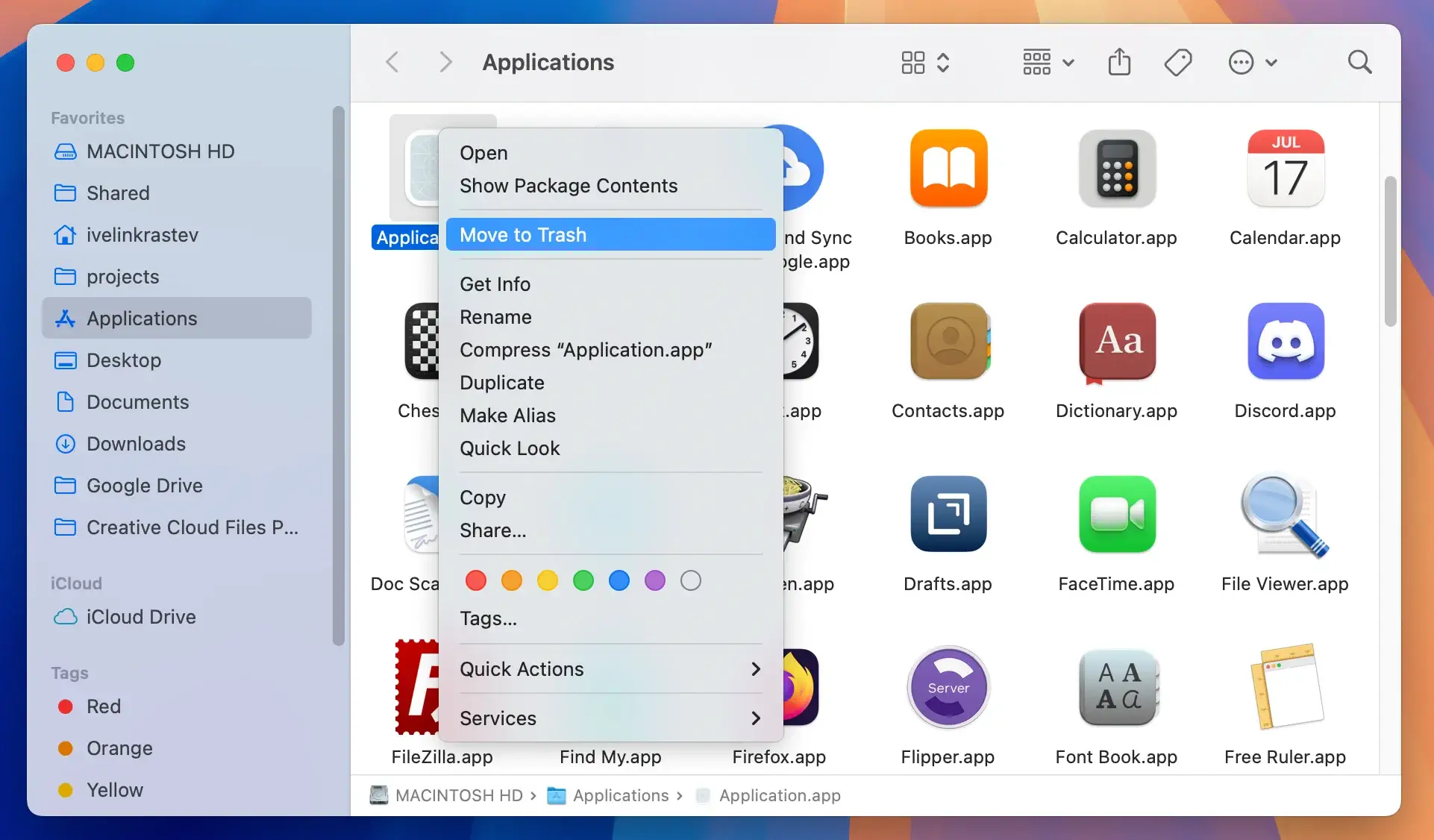
- After moving the application to the trash, don’t forget to empty the
Trashbin. Right-click on the icon in your dock and chooseEmpty Trash.
Just deleting the app may not remove all of its components. That’s why following through with the rest of the manual steps to find and eliminate any remaining files is crucial for a full cleanup.
Remove iLifeMediaBrowser leftover files
- Open a
Finderwindow and click onGo > Go to Folderin the top menu. - Paste the following paths in the dialog window that comes up, hitting
Returnafter each one:/Library/LaunchAgents//Library/Application Support//Library/LaunchDaemons//Library/StartupItems/~/Library/LaunchAgents/~/Library/Application Support/~/Library/Preferences/
- Examine those folders for any files or subfolders associated with iLifeMediaBrowser and delete them manually.
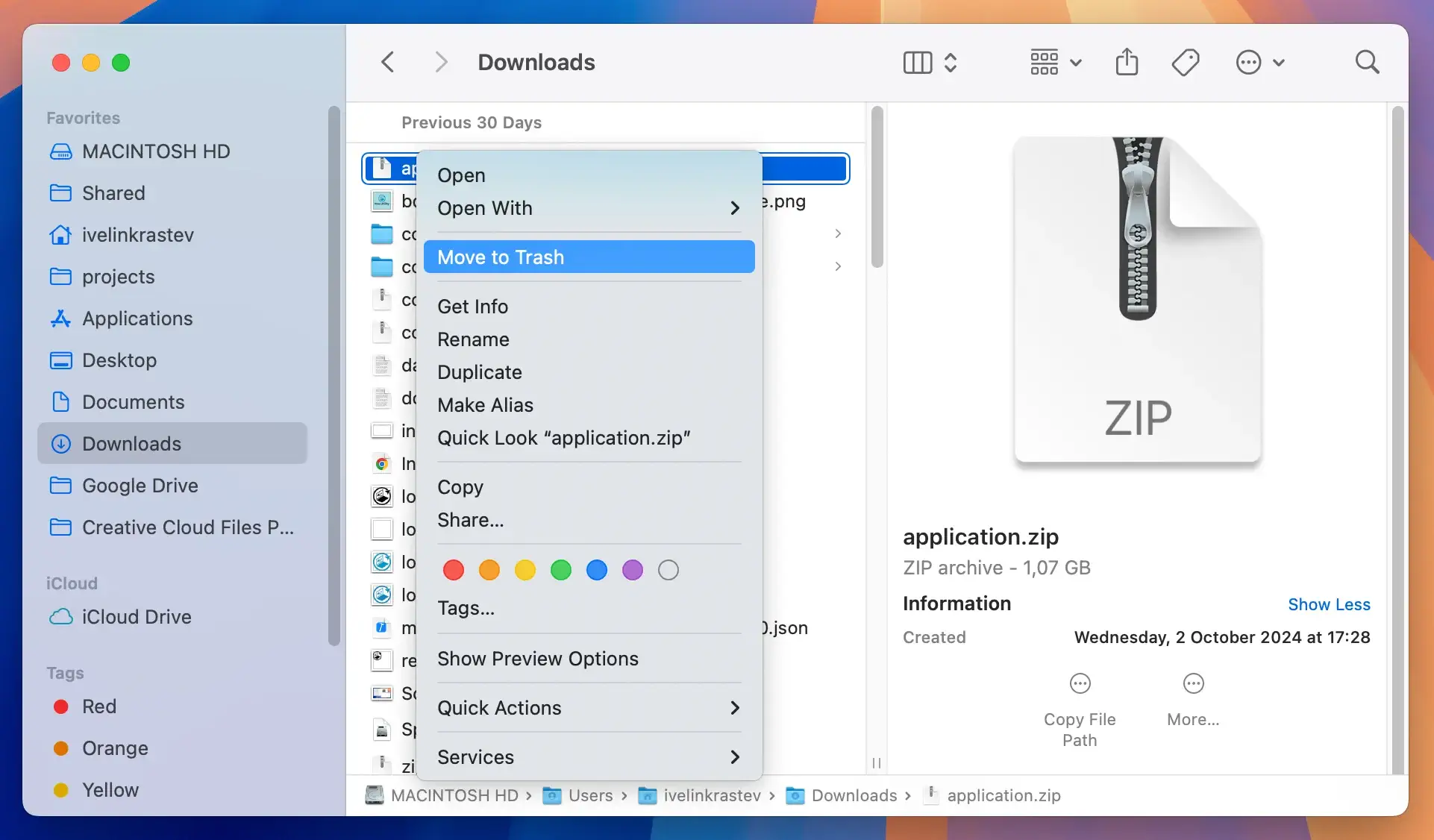
- Empty the
Trashto remove the leftover files completely.
This step is necessary to completely remove all traces from the unwanted app and deny it any possible persistence mechanisms that may be stored in those files.
Remove iLifeMediaBrowser extensions from all browsers
For Safari
Open the Safari browser, go to the menu, and select Preferences. Navigate to the Extensions tab, locate any suspicious extensions—particularly those containing “iLifeMediaBrowser” in their names—and remove them.
For Chrome
In Chrome, click the three-dot icon in the top-right corner, then go to Settings. From there, click on Extensions, identify any unfamiliar or potentially harmful entries, and delete them.
For Firefox
Launch Firefox, click on the three horizontal bars to open the menu, and choose Add-ons. Go to Extensions and manually delete any suspicious or unknown extensions from your browser.
Use SpyHunter to remove iLifeMediaBrowser
When dealing with unwanted software like iLifeMediaBrowser on your Mac, finding a dependable solution is critical. SpyHunter is a robust tool specifically designed for such challenges.
Its capabilities extend beyond simple removal processes; it delves deep into your system to identify and eliminate the root causes of the problem.
Unlike manual removal methods that might leave behind residual files or not fully address the issue, SpyHunter ensures a comprehensive cleanup.
- Download the app for free here and complete the onscreen instructions to install it.
- Initiate a full system scan from the main SpyHunter menu. The complete scan will display a list of all threats and potentially unwanted apps found on your Mac.
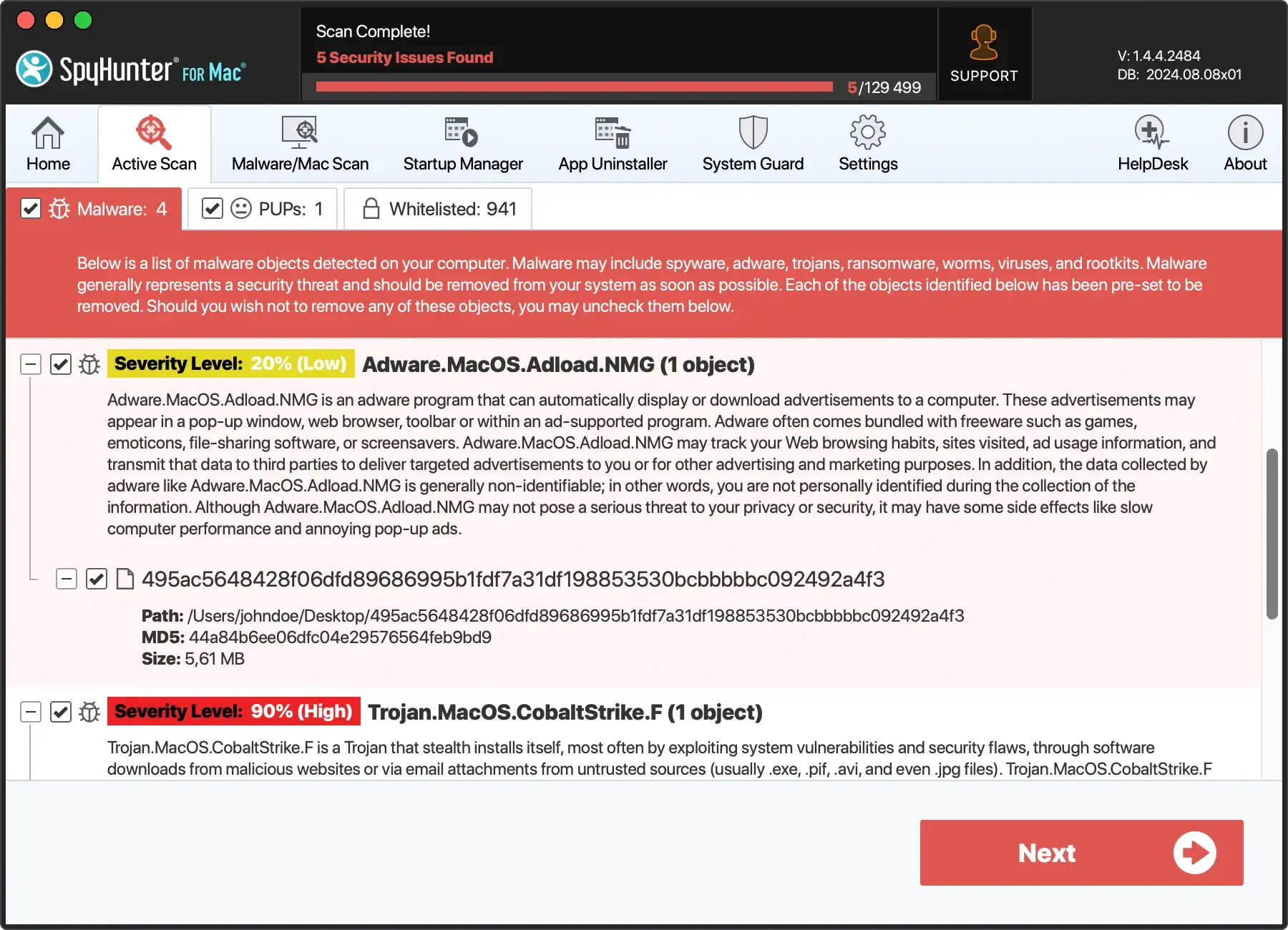
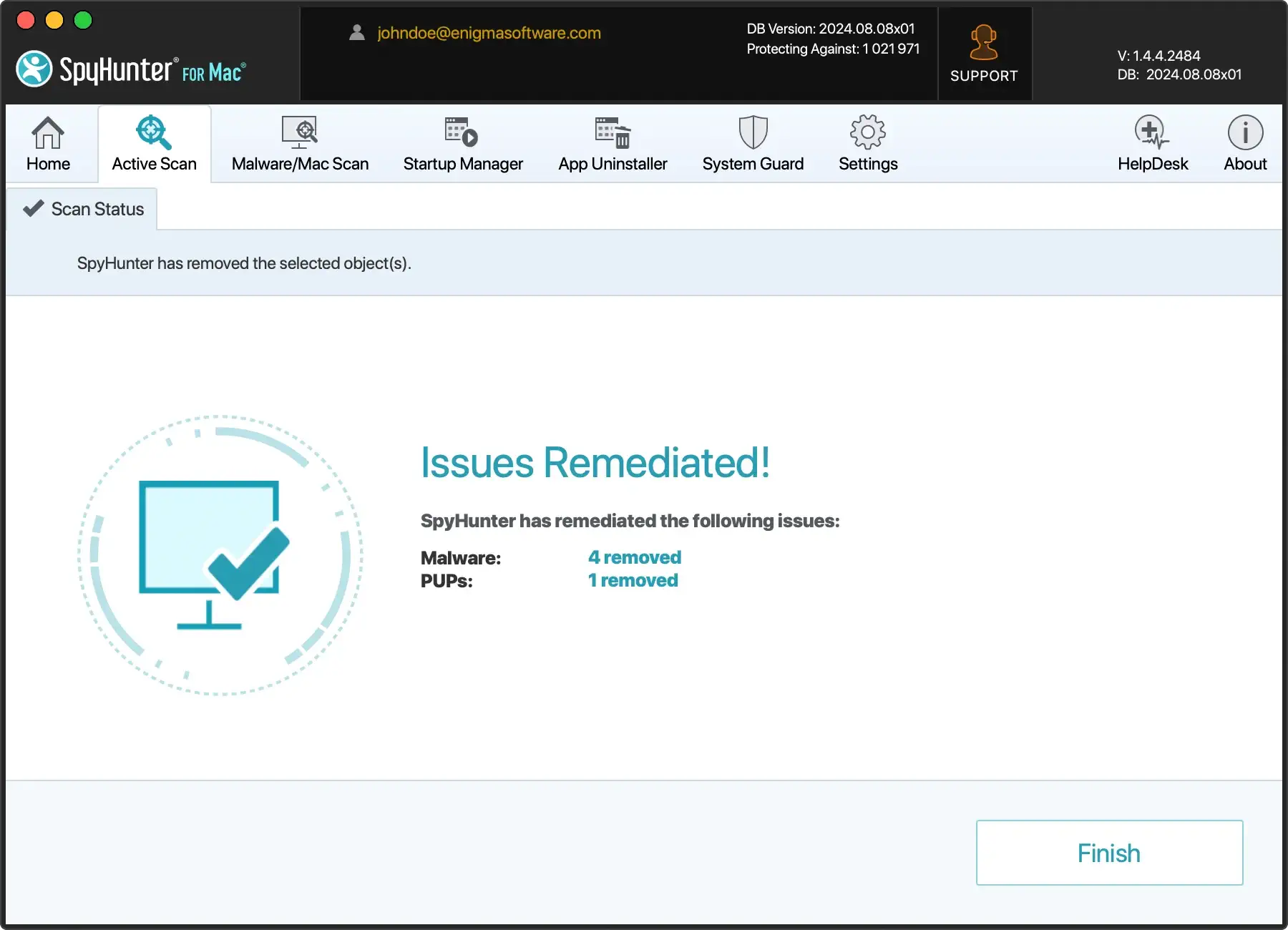
- Proceed to remove any threats discovered, including iLifeMediaBrowser.
- Reboot your Mac if prompted to finalize the removal process.
How to prevent future infections on your Mac
Protecting your Mac from future infections involves a combination of proactive strategies and the right tools.
Firstly, always keep your macOS updated. Apple frequently releases security updates that patch vulnerabilities, making it harder for malware like iLifeMediaBrowser to infiltrate your system.
Navigate to Apple Menu > System Preferences > Software Update to check for available updates.
Secondly, enable your Mac’s built-in firewall. This acts as a barrier between your computer and unauthorized access from the internet. Go to System Preferences > Security & Privacy > Firewall to turn it on.
Additionally, exercise caution with emails and downloaded files. Phishing attempts can disguise themselves as harmless emails or software downloads. Verify the sender’s identity and avoid downloading attachments or clicking on links from unknown sources.
