

How To Fix Error 10673 On Mac [2025]

Before we dive in
Before we dive in, let's make sure you stay safe online. We created SpyHunter because your security matters to us.
Protect your computer today — download SpyHunter right here! Check out our top tips below to keep your computer safe and secure.

Ever tried opening an app on your Mac, only to be greeted by the baffling “The application can’t be opened 10673” message? It’s enough to make you scratch your head, wondering what went wrong.
This article explores error 10673, the usual causes behind it and offers solutions to get your Mac humming along once again.
Whether it’s outdated software, system glitches, or something more sinister like malware, we’ve got you covered.
What triggers error 10673 on your Mac?
Encountering error 10673 on your Mac usually points towards deeper issues within your system or specific applications.
This error primarily surfaces when an app fails to open, often leaving users puzzled about its cause. Several factors can trigger this error, ranging from corrupted application files, compatibility issues with macOS, or system-wide glitches.
Each of these causes can interfere with the normal operation of applications, leading to the frustrating “The application can’t be opened 10673” message.
Common causes for error 10673
At its core, error 10673 is a run-time issue that indicates your Mac’s inability to execute a specific application process. It usually results from accumulated issues or changes within the system.
For instance, recent macOS updates can introduce compatibility problems with older apps, leading to this error. Similarly, incomplete or failed software installations can leave behind corrupted files, disrupting the app’s ability to launch properly.
Several common scenarios can lead to the emergence of error 10673 on your Mac. These include:
- Corrupted application data: When application files become corrupted, perhaps due to incomplete updates or software crashes, it can prevent the app from opening.
- Outdated software: Running outdated versions of applications or macOS itself can lead to compatibility issues, triggering error messages.
- System glitches: Temporary system errors or glitches can also cause apps to malfunction, displaying error 10673.
- Malware: Sometimes, the presence of malware or other security threats can interfere with application processes, leading to this error.
Identifying which of these scenarios applies to your situation is the first step towards finding an effective solution to error 10673. Once the root cause is pinpointed, addressing the error becomes a more straightforward process.
We have an additional guide that covers a number of other common Mac error codes and messages that you can also use for future reference.
Is error 10673 a sign of malware infection?
Encountering error 10673 on your Mac can be more than just an inconvenience—it could be a signal that your device is under threat from malware.
Malware and other malicious software can manifest in various ways, and runtime errors like 10673 might be one of them.
Errors that persist despite attempts to fix them by restarting your device or updating software can indicate deeper issues.
Malware infections can lead to a slew of problems, including system instability, slow internet speeds, and unusual device behavior—symptoms that often accompany error 10673.
So, if you’re seeing this error along with a slow Mac, random crashes, or other apps failing, it’s time to consider the possibility of malware playing a part.
Spotting malware-related symptoms alongside error 10673
If you’re experiencing error 10673 and noticing other disturbing symptoms, it’s crucial to take a step back and assess the situation.
Look out for signs like your Mac behaving erratically, apps crashing or not opening, a noticeable slowdown in performance, or your internet speed dragging without explanation. These are red flags that could suggest a malware infection.
While these issues can have various causes, when they happen in conjunction with an error like 10673, the likelihood of malware being involved increases.
Tracking cookies, adware, or worse could be lurking in your system, causing havoc. Pay attention to pop-ups, unauthorized changes to your settings, or unfamiliar apps appearing, as these are also common indicators of malware.
SpyHunter: Your ally against potential malware
When faced with persistent problems like error 10673, especially if you suspect malware might be involved, a specialized tool like SpyHunter can be a game-changer.
Designed to detect and remove a variety of malicious software, SpyHunter offers a robust defense mechanism against the threats that could be causing your Mac distress.
Utilizing SpyHunter is straightforward and hassle-free. Here’s how you can get started:
- Download SpyHunter for free and install it by following the on-screen instructions.
- Run a system scan to detect any malicious software or files that might be triggering error 10673.
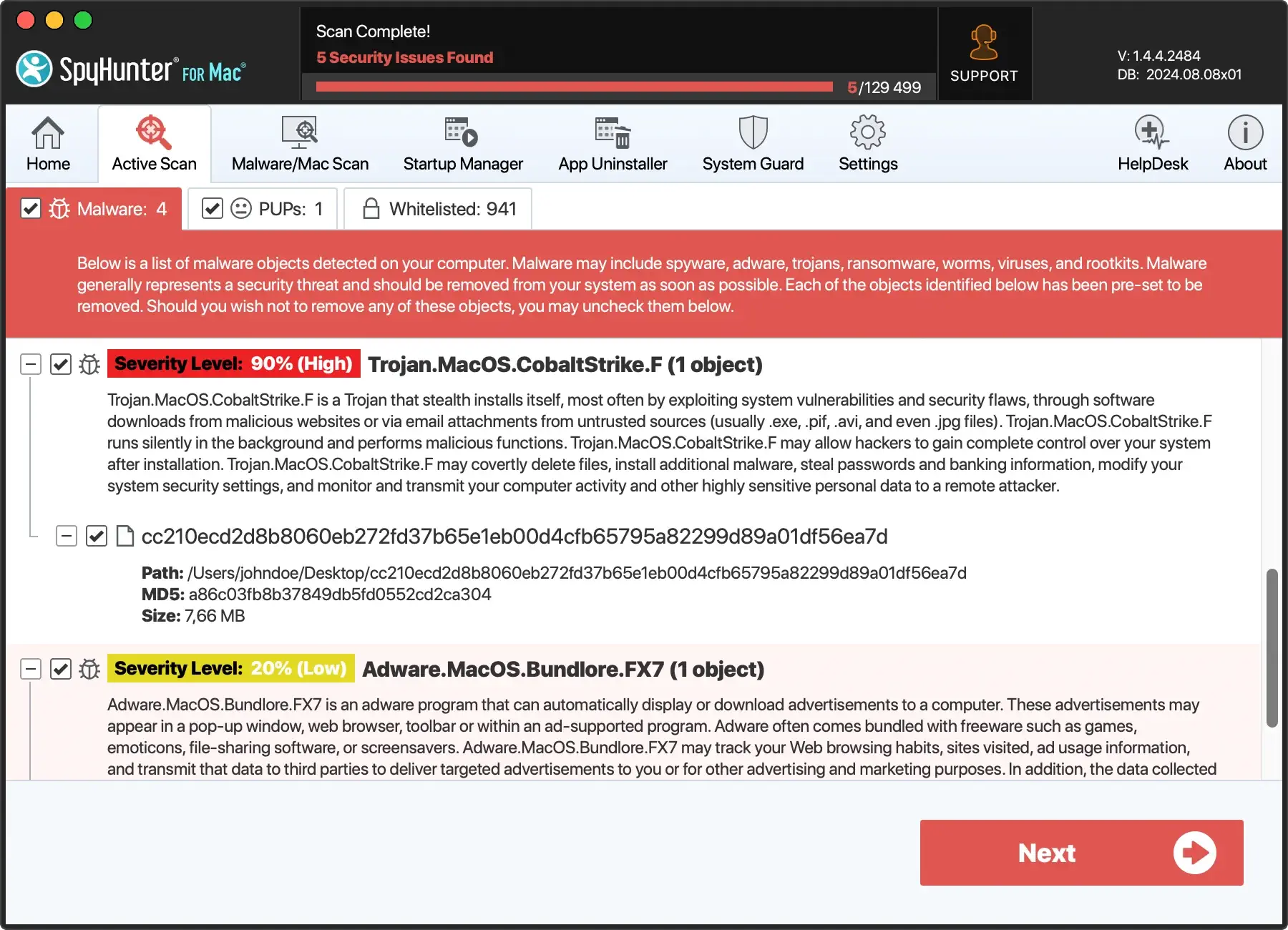
- If malware is found, SpyHunter will provide details and removal options.
- Use the onscreen prompts to clean any detected malware.
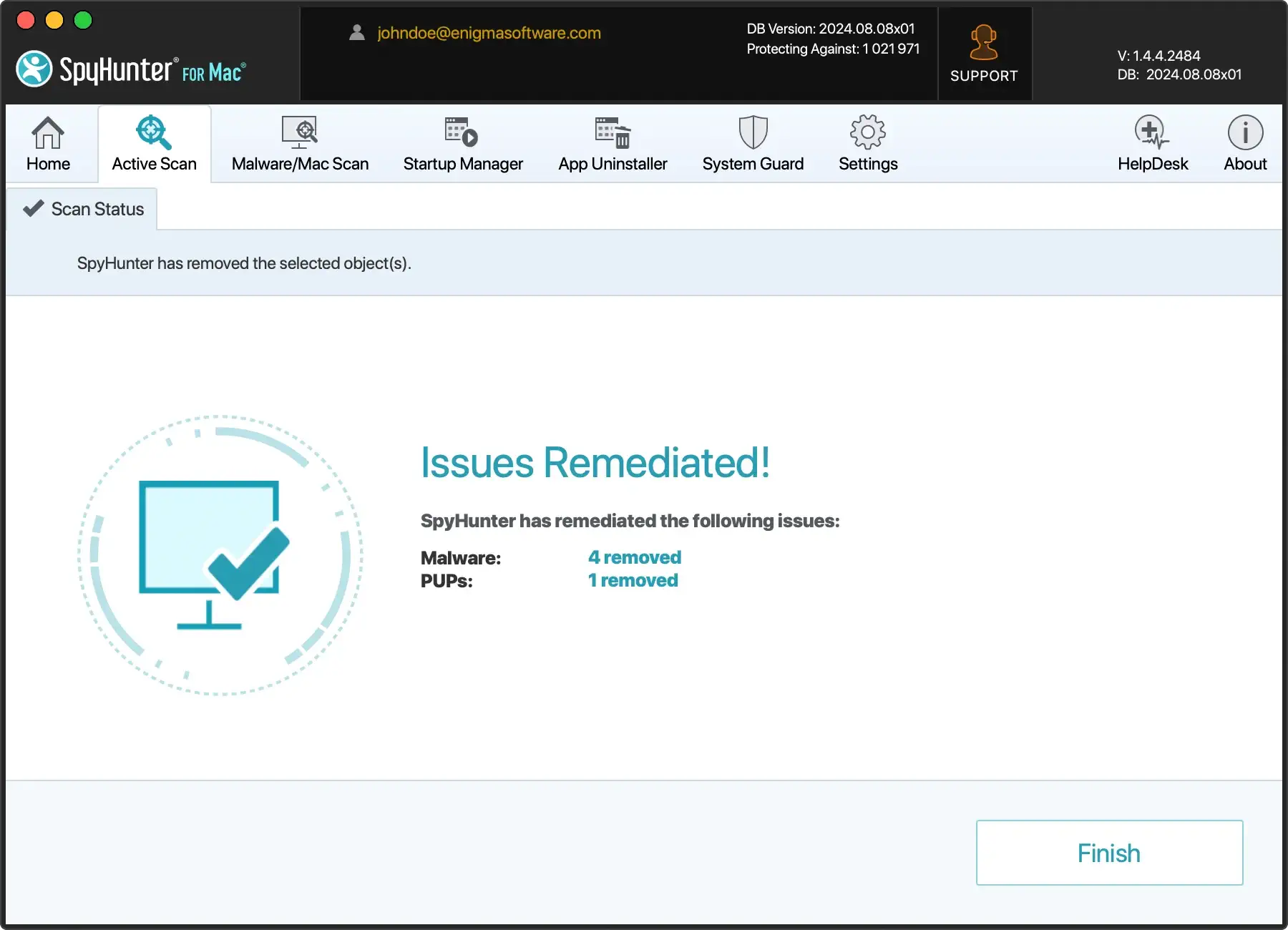
Remember, keeping your Mac free from malware is not just about fixing a single error message; it’s about ensuring the overall health and security of your system.
Whether it’s adware, tracking cookies, or more sinister forms of malware, SpyHunter is designed to deal with these challenges efficiently, giving you peace of mind and a smoother computing experience.
Step-by-step guide to fix error 10673 on your Mac
Experiencing error 10673 can be frustrating, but with a systematic approach, you can resolve it quickly. Let’s walk you through the process.
Quick restart: A first step in troubleshooting error 10673
A quick restart can often resolve error 10673 on your Mac. This error may appear due to minor software glitches that can be cleared by rebooting your system. Restarting your Mac is simple:
- Click on the Apple menu at the top-left corner of your screen.
- Select
Restartfrom the dropdown options. - Wait for your Mac to shut down and power back on.
After restarting, check if the error persists. If it does, move on to the next steps.
Updating your Mac: A crucial step in resolving error 10673
Keeping your Mac updated is crucial for its performance and security. Software updates often include bug fixes that could resolve error 10673. Here’s how to check for and install updates:
- Click the Apple menu and choose
System Settings. - Select
Software Update. - If updates are available, click
Update Now.
Installing the latest macOS updates can eliminate existing bugs and enhance system stability, potentially fixing error 10673.
Setting the right defaults to prevent error 10673
Error 10673 can also stem from incorrect default settings for certain applications, like default email or default browser.
Ensuring the right defaults are set is a critical step in preventing and resolving this error. For instance, setting your default email reader to Apple Mail can help:
- Open
Mailfrom yourApplicationsfolder. - Go to
Mailin the menu bar and selectPreferences. - Under the
Generaltab, findDefault email readerand selectMailfrom the dropdown menu.
Similarly, ensuring Safari is set as your default web browser can also prevent errors related to application defaults. Navigate to System Settings (or System Preferences on older masOS versions), select General, and choose Safari next to Default web browser.
By updating your Mac, restarting it, and setting the correct defaults, you can effectively troubleshoot and resolve error 10673, ensuring smoother, uninterrupted use of your Mac.
Prevention tips: Avoid seeing error 10673 again
Maintaining your Mac in top condition is essential to avoid errors like 10673. Regular updates are critical for the health of your system.
Not only do they optimize your device, but they also introduce fixes for known issues. Make it a habit to check for and install any available software updates. This proactive step can significantly reduce the likelihood of encountering errors.
Moreover, being cautious about the applications you download is paramount. Always opt for trusted sources, preferably the App Store, as this reduces the risk of downloading potentially harmful software.
Regular maintenance and updates
Regular maintenance, including clearing cache and shutting down unused apps, plays a crucial role in keeping your Mac running smoothly.
It’s not just about fixing an issue when it arises; it’s about preventing that issue from occurring in the first place.
Adopt a routine that includes checking disk space, performing system diagnostics, and updating apps to their latest versions. Consistently updating your macOS is equally important.
A system that is regularly cleaned and updated is less likely to run into errors and will perform better in the long run. Make it a part of your routine to check and execute system updates as soon as they’re available.
